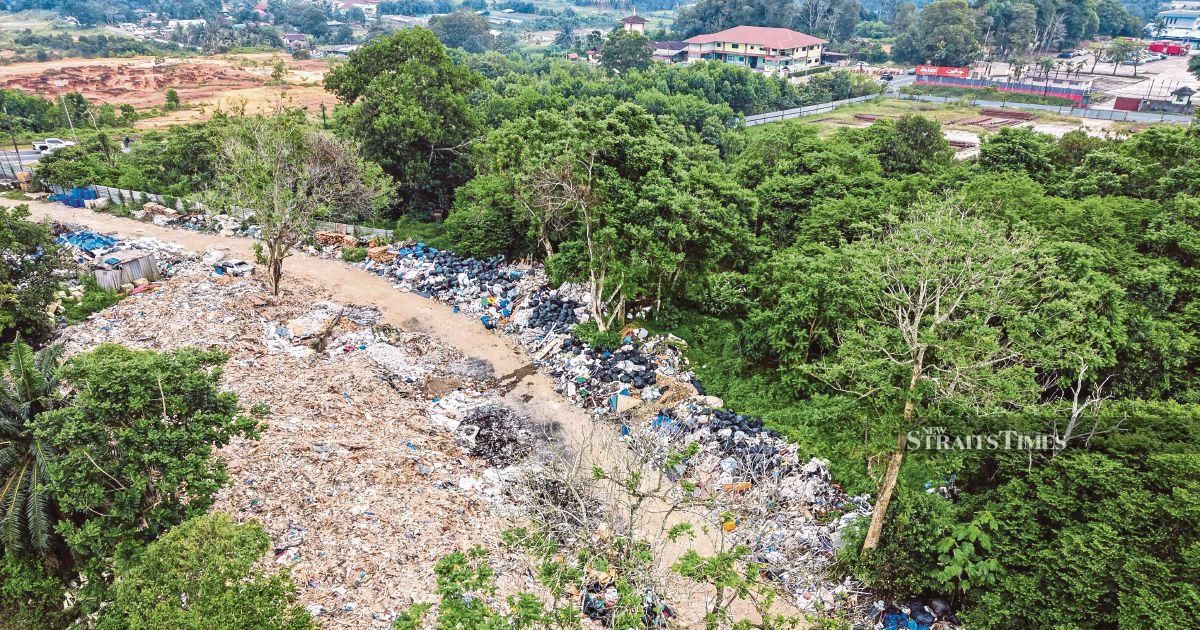
Authorities in Johor are mobilising a coordinated response to allegations that construction refuse originating from Singapore has been deposited at multiple sites throughout the Pontian district. The state has committed to establishing a multi-agency task force specifically designed to conduct a thorough investigation into the matter, signalling serious concern over potential cross-border environmental violations and breaches of waste management protocols.
The alleged dumping represents a significant challenge for Johor's environmental stewardship, particularly given Pontian's proximity to Singapore and the district's ecological importance. Construction waste, when improperly disposed of, can contaminate soil and water resources, posing risks to both the environment and public health. The scope of the investigation will need to determine how much waste has been deposited, identify the specific sites involved, and establish the chronology of the alleged activities.
Pontian's position as a border district makes it potentially vulnerable to transboundary waste management issues. Economic incentives exist for businesses in neighbouring jurisdictions to seek lower-cost disposal methods across borders, and the district's relative proximity to Singapore's urban and construction zones creates logistical convenience for such activities. Understanding the mechanics of how waste crossed the border—whether through informal agreements, exploitation of regulatory gaps, or deliberate circumvention of customs procedures—will be essential to preventing future incidents.
The establishment of a multi-agency task force indicates recognition among state authorities that tackling this issue requires coordination across different enforcement bodies. Solid Waste and Public Cleansing Corporation (SWCorp) will likely play a central role given its mandate over waste management, but meaningful progress will depend on collaboration with immigration, customs, environmental, and local council authorities. Each agency brings distinct investigative capabilities and enforcement powers that, when coordinated effectively, can create a more comprehensive response.
The implications for Malaysia extend beyond Pontian itself. If construction waste from Singapore is indeed being illegally dumped across the border, this suggests possible gaps in either enforcement capability or bilateral monitoring mechanisms. The discovery could prompt Malaysia to strengthen cooperation agreements with Singapore regarding cross-border waste management and establish clearer protocols for handling suspected violations. Such arrangements become increasingly important as construction activities accelerate throughout Southeast Asia and waste generation intensifies accordingly.
For Pontian residents and businesses, the alleged dumping raises immediate concerns about property values, environmental quality, and the credibility of waste management oversight in the district. Transparency about the investigation's progress will be crucial in maintaining public confidence that authorities take environmental protection seriously. The task force's approach to community engagement may determine whether residents actively assist investigators in identifying dumping sites and providing eyewitness accounts.
The investigation must also examine the regulatory frameworks governing waste transport and disposal in both jurisdictions. If Singapore-based construction companies have been utilising cheaper disposal facilities or methods in Johor, this suggests either deliberate evasion or insufficient awareness of cross-border regulations. Clarifying which scenario applies will inform whether the response should focus primarily on enforcement against violators or on strengthening information and compliance mechanisms for legitimate operators.
From a bilateral perspective, this incident requires sensitive handling. Singapore and Malaysia maintain cooperative relationships across numerous policy domains, and environmental matters are increasingly important to both governments. The investigation should be conducted with professionalism and transparency to prevent unnecessary diplomatic friction while ensuring that legitimate environmental concerns receive adequate attention. This balance is essential for maintaining the collaborative frameworks that underpin regional stability.
The economic context matters significantly here. Construction activities in Singapore remain robust, generating substantial waste streams that require appropriate disposal. If legitimate disposal options are limited or expensive, some actors may be motivated to explore illicit alternatives. Understanding these economic dynamics could lead to more sustainable solutions, such as establishing proper waste management infrastructure in Johor that can serve both local needs and regional demand at competitive rates.
Resource constraints within environmental enforcement agencies across Malaysia have traditionally been a challenge, and properly resourced investigations require adequate funding, trained personnel, and access to forensic and tracking technologies. The Pontian case provides an opportunity to strengthen investigative capacity more broadly. Lessons learned from this multi-agency task force could inform how similar transboundary environmental violations are handled in other border regions, from Kelantan to Terengganu to Sabah and Sarawak.
Looking forward, the investigation's findings will likely influence policy discussions about waste management standards, border enforcement procedures, and bilateral environmental cooperation. If significant quantities of foreign construction waste are confirmed, this could catalyse investment in improved waste management facilities, upgraded border monitoring systems, and clearer regulatory frameworks. The task force's work therefore carries implications far beyond the immediate situation in Pontian, potentially shaping how Malaysia approaches environmental enforcement in border regions for years to come.

