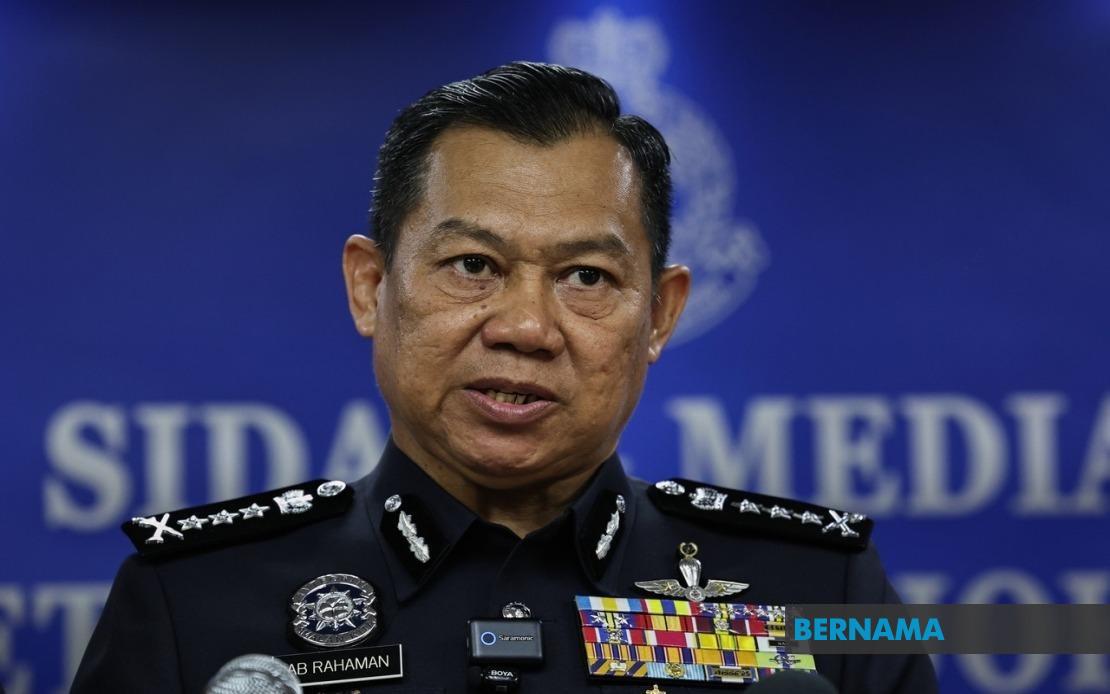
The 16th Johor state election campaign machinery has been largely kept on track following police approval of more than 4,000 permit applications for political activities and rallies. Between June 27 and July 8, the Johor police force processed 4,368 permit requests connected to the election process, ultimately sanctioning 4,053 applications that met regulatory standards. This represents a 92.8 per cent approval rate, indicating broad compliance with the prescribed rules governing election conduct across the state.
The volume of applications underscores the intensity of political mobilization leading up to polling day. Johor police chief Datuk Ab Rahaman Arsad provided a detailed breakdown of the permitting process, noting that the final stretch of the approval window proved particularly demanding. During July 7 and 8 alone, authorities fielded 884 fresh applications, approving 838 of those submissions after confirming they satisfied legal prerequisites. This two-day surge reflects the final push by political parties and candidates scrambling to schedule events before the election machinery enters its final phase.
The enforcement landscape has revealed an undercurrent of electoral friction beneath the surface compliance. Across the entire monitoring period from late June through early July, police documented 73 separate complaints related to election misconduct, leading to the opening of 22 investigation papers. In the final 48 hours of the reporting window alone, authorities received 17 additional reports and commenced four separate criminal investigations, suggesting rising tensions as the campaign entered its closing stretch. This doubling of investigations in the final two days warrants attention from observers monitoring the health of the electoral process.
The nature of violations detected provides insight into the specific challenges facing electoral authorities. One investigation was initiated under Section 4A(1) of the Election Offences Act 1954, targeting allegations of campaigners promoting ill will or hostility between communities or groups. Such charges carry particular weight in a diverse state like Johor, where maintaining inter-communal harmony during campaign season requires constant vigilance. A second investigation invoked Section 500 of the Penal Code alongside Section 233 of the Communications and Multimedia Act 1998, addressing accusations of defamatory statements and improper deployment of digital platforms for campaign messaging.
Two additional investigations centred on property-related offences, with charges filed under Section 427 of the Penal Code for alleged mischief resulting in property damage or loss. These cases suggest the physical dimensions of campaign tensions, potentially involving vandalism of rival campaign materials or destruction of election infrastructure. Such incidents, while appearing minor in isolation, can escalate quickly and undermine public confidence in the electoral process if left unchecked.
From a security management perspective, Johor police have consistently maintained that the overall environment remained stable and under operational control throughout the monitoring period. Datuk Ab Rahaman emphasized in his official statement that all political activities underwent systematic police surveillance designed to ensure legal compliance and prevent any compromise to public order or security. This assertion of control reflects the professional expectations placed upon law enforcement during election periods, when the stakes for managing competing political interests at high intensity become paramount.
The enforcement approach articulated by the police chief stressed adherence to established principles: violations would be addressed with firmness, impartiality, and integrity, without deviation or leniency. This framing attempts to reassure both the public and political stakeholders that enforcement will remain neutral and consistent. However, the substantial number of investigations initiated during the final two days of the reporting period raises questions about whether the initial phase of the campaign was characterized by greater restraint or whether violations simply accelerated as the race intensified.
For Malaysian and Southeast Asian observers, the Johor election dynamics offer a microcosm of broader regional challenges in managing competitive electoral environments. The permit approval rate of over 92 per cent suggests authorities are generally accommodating of legitimate campaign expression while maintaining legal guardrails. Yet the parallel rise in complaints and investigations indicates that the boundary between permissible advocacy and electoral impropriety remains contested and context-dependent.
The Communications and Multimedia Act investigation is particularly noteworthy given the centrality of social media and digital platforms to modern campaign strategies. As political messaging increasingly moves online, regulators face the complex task of distinguishing between robust political debate and genuinely defamatory or inflammatory content. This tension will likely intensify in future electoral cycles across the region as candidates embrace digital campaigning with greater sophistication.
The election offence investigations also reflect evolving interpretations of what constitutes promoting ill will or hostility under the 1954 Act. Political campaigns inherently involve criticism and contrast, yet certain rhetorical boundaries exist beyond which messages cross into illegality. The fact that police identified at least one such violation suggests authorities are monitoring this threshold actively, though the subjective nature of such determinations inevitably generates debate about potential bias or selective enforcement.
Looking forward, the approval of campaign permits and the management of election-related complaints will continue shaping the narrative around the 16th Johor election. The state's security apparatus has demonstrated capacity to process large volumes of permit applications efficiently while maintaining investigative oversight. Whether this enforcement approach translates into public confidence in a free and fair process, however, depends partly on perceptions of consistency and political neutrality that extend beyond operational metrics alone.
The 4,053 approved permits represent thousands of political gatherings, house visits, and campaign events that will touch virtually every neighbourhood across Johor before voting concludes. The relatively low rejection rate suggests that campaign organizers have largely internalized the regulatory requirements, or that police have interpreted the rules flexibly enough to accommodate the volume of political activity naturally accompanying a state election. As the campaign momentum builds toward the poll itself, maintaining this balance between enabling democratic participation and preventing electoral misconduct will remain the central test of the state's electoral management.

