%22%2F%3E%3C%2Fpattern%3E%3C%2Fdefs%3E%3Crect%20width%3D%22100%25%22%20height%3D%22100%25%22%20fill%3D%22url(%23ph5osc9g)%22%2F%3E%3Crect%20width%3D%22100%25%22%20height%3D%22100%25%22%20fill%3D%22url(%23ph5osc9p)%22%2F%3E%3Ctext%20x%3D%2250%25%22%20y%3D%2250%25%22%20text-anchor%3D%22middle%22%20dominant-baseline%3D%22central%22%20fill%3D%22rgba(255%2C255%2C255%2C0.95)%22%20font-family%3D%22Georgia%2C%20'Times%20New%20Roman'%2C%20serif%22%20font-weight%3D%22700%22%20font-size%3D%22272%22%20letter-spacing%3D%22-0.02em%22%3EJohor%3C%2Ftext%3E%3C%2Fsvg%3E)
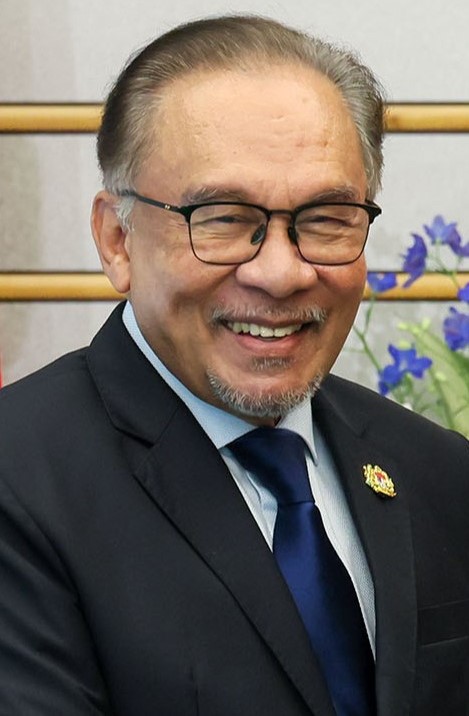
Prime Minister Datuk Seri Anwar Ibrahim was received by Johor's Regent Tunku Mahkota Ismail in Kuala Lumpur on June 22, marking a significant engagement between the federal leadership and one of Malaysia's most economically influential states. The meeting, though brief in duration, carried symbolic weight in demonstrating the ongoing collaboration between Putrajaya and Johor's administration on issues affecting the nation's development trajectory.
Johor's position within Malaysia's political and economic landscape makes such high-level interactions particularly noteworthy. As the country's second-largest contributor to the national economy and home to critical infrastructure including the Port of Tanjung Pelepas, the state commands considerable strategic importance. Tunku Mahkota Ismail's role as Regent places him among Malaysia's most influential traditional leaders, vested with authority over matters ranging from state governance to Islamic affairs and matters of royal protocol. An audience granted by the Regent to the Prime Minister therefore signals institutional recognition and approval of the federal administration's policies affecting Johor's interests.
The timing of the audience reflects broader patterns of engagement between the federal government and Malaysia's constituent states following the 2023 general election and subsequent shifts in the political landscape. Anwar's administration has pursued deliberate efforts to strengthen relationships with state governments, recognising that federal-state cooperation is essential for implementing nationwide development programmes and managing shared challenges in areas such as infrastructure, education, and economic diversification.
For Johor specifically, the meeting likely addressed several pressing concerns. The state has been actively positioning itself as a growth corridor within Malaysia's Vision 2050 framework, with ambitious plans for industrial expansion and technological advancement. Federal-state alignment on infrastructure investment, particularly regarding connectivity projects linking Johor to neighbouring states and regional markets, remains crucial for realising these ambitions. Additionally, border management issues with Singapore and cross-border trade arrangements continue to require coordination between Johor's administration and federal authorities.
The audience also underscores the importance of maintaining cordial relationships between different tiers of governance, particularly given Malaysia's constitutional structure. The Regent's formal reception of the Prime Minister reflects protocols rooted in the Federal Constitution, which delineates specific roles for state rulers in Malaysia's constitutional monarchy. By extending an audience, Tunku Mahkota Ismail demonstrated the Johor palace's openness to dialogue with the federal executive, an important signal in a federal system where divergent political affiliations across states can occasionally create friction.
From the Prime Minister's perspective, such engagements serve multiple purposes. They allow direct communication with influential state leaders on policy implementation, investment opportunities, and regional development priorities. They also provide opportunities to address any state-level concerns before they escalate into more significant political disputes. Given Malaysia's history of periodic federal-state tensions, preventive diplomatic engagement of this nature represents sound governance practice.
The relationship between Johor and the federal government carries additional resonance because of the state's historical significance within Malaysia's political trajectory. Johor has traditionally wielded considerable influence in national affairs, and its cooperation with federal initiatives can either facilitate or complicate the implementation of nationwide programmes. An affirmed relationship, as demonstrated through formal audience protocols, suggests that both entities are aligned on major policy directions.
Economically, federal-state cooperation is particularly vital for Johor given the state's role in Malaysia's manufacturing sector and its position as a major logistics hub. Investment in port facilities, industrial zones, and transportation networks requires seamless coordination between state-level planning and federal infrastructure initiatives. The Regent's audience with Anwar likely provided an opportunity to discuss how federal development funds and private investment can be channelled toward projects that benefit Johor while contributing to broader national growth objectives.
Looking forward, the strengthened engagement evidenced by this meeting may facilitate smoother implementation of several significant projects currently under development in Johor. These include transportation infrastructure connecting to Singapore, technological hubs aligned with Malaysia's digital economy goals, and manufacturing facilities targeting high-value industries. Federal support and regulatory alignment are essential prerequisites for attracting international investment to such ventures.
The meeting also carries implications for Malaysia's regional standing within Southeast Asia. As the country pursues economic integration initiatives with neighbouring nations and positions itself competitively within the region, state-level stability and federal-state coordination become increasingly important. Johor, given its proximity to Singapore and role as a gateway to regional markets, exemplifies this dynamic. A Regent-Prime Minister engagement affirming close ties therefore sends positive signals to international investors and regional partners regarding Malaysia's institutional stability and effective governance.
Moreover, the formalised nature of such audiences reflects Malaysia's commitment to constitutional governance and the rule of law. Rather than governance occurring through back-channels or informal mechanisms, the decision to conduct a formal audience demonstrates respect for institutional protocols and established channels of communication between different levels of government. This institutionalisation of federal-state relations strengthens the foundations of Malaysian democracy.
The audience concluded with both parties reaffirming their commitment to strengthening ties and advancing initiatives of mutual benefit. While specific outcomes of the meeting were not immediately disclosed, the symbolic value of the engagement itself represents an investment in the institutional health of Malaysia's federal system, particularly regarding the critical relationship between the federal government and Johor state administration.