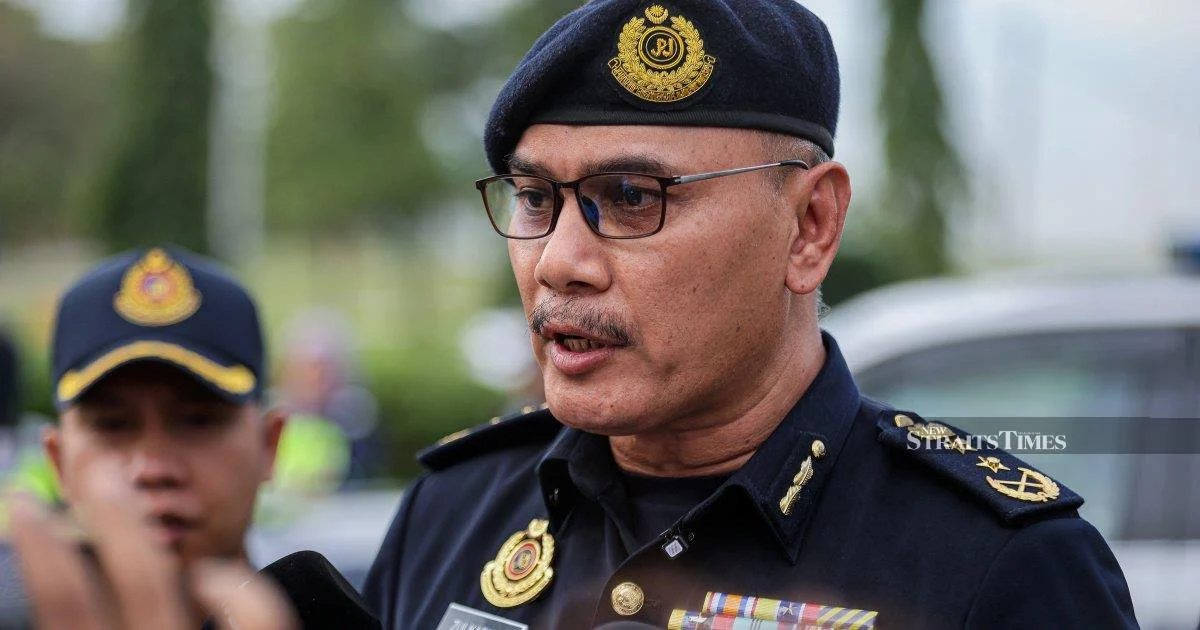
The Johor Road Transport Department has moved swiftly to address safety violations during the state's recent electoral activities, issuing investigation notices to individuals apprehended riding motorcycles without proper protective headgear. This enforcement action underscores the agency's commitment to maintaining road safety standards even amid the heightened activity and public engagement that characterises election campaigns.
The crackdown reveals a significant concern: the visibility and frequency of helmet violations during high-profile political events in Malaysia. Election campaigns often draw massive crowds, increased vehicular movement, and spirited public participation, which can inadvertently create environments where traffic safety takes a backseat to campaign enthusiasm. By targeting these violations, the RTD demonstrates that essential safety protocols remain non-negotiable regardless of the circumstances.
Helmet-wearing remains one of Malaysia's most critical road safety measures, with consistent data showing that proper use of helmets reduces the risk of serious head injuries and fatalities by up to 70 percent among motorcycle riders. Despite this evidence and longstanding regulations, compliance across the country has remained inconsistent. Johor, as a major economic and demographic centre with substantial two-wheeler traffic, experiences particularly high motorcycle usage, making helmet enforcement especially vital to public health outcomes.
The investigation notices issued by the RTD represent the preliminary stage in Malaysia's traffic violation procedures. Recipients typically have an opportunity to respond to allegations and clarify circumstances before formal charges are considered. This measured approach allows the department to distinguish between genuine lapses and systemic non-compliance while gathering evidence for potential prosecution cases.
The timing of this enforcement action during an election campaign carries broader implications for how Malaysian authorities balance public safety with political processes. Election periods often witness increased scrutiny of government institutions' impartiality and operational priorities. By proceeding with standard traffic enforcement rather than suspending such activities, Johor RTD has signalled that safety enforcement transcends political cycles and remains a consistent governmental responsibility.
For motorcycle riders across Johor and neighbouring states, the enforcement serves as a practical reminder of their legal obligations. Riding without a helmet exposes riders not only to substantial fines—currently RM300 for first-time offenders under Malaysian traffic law—but to criminal liability under the Road Transport Act. More critically, it exposes riders to life-altering physical consequences that extend beyond the rider to families and healthcare systems managing trauma cases.
The election campaign period likely saw a surge in motorcycle-based campaign activities, from distributing campaign materials to ferrying volunteers and supporters to rallies and events. The high volume of movement creates natural opportunities for traffic enforcers to identify violations, and the RTD's response suggests they capitalised on this visibility to reinforce safety culture. This approach also communicates to the broader public that political participation and legal compliance are not mutually exclusive.
Elsewhere in Southeast Asia, countries have implemented similar targeted enforcement during major public events. Thailand and Vietnam have used election and festival periods as occasions for intensive safety campaigns, recognising that heightened public activity presents an opportunity to reset behavioural norms. Johor's initiative aligns with this regional trend toward using high-profile events as catalysts for broader safety consciousness.
The investigation notices do not necessarily indicate prosecutions but rather represent the formal documentation of alleged violations. The RTD will examine each case to determine whether evidence justifies further legal proceedings. Some riders may have legitimate explanations—mechanical failures, momentary lapses, or misunderstandings—that could mitigate enforcement outcomes. The investigation process thus serves both administrative and evidential functions.
For Malaysian road safety advocates, the Johor RTD's actions provide encouraging evidence that enforcement remains a priority even during periods of intense public activity and competing governmental demands. However, scholars and safety specialists often emphasise that enforcement alone cannot sustain behavioural change. Sustained public education campaigns, school-based safety programmes, and community engagement initiatives complement legislative and enforcement measures in building genuine safety consciousness among riders.
The notices issued during Johor's election campaign will likely contribute to data that provincial transport authorities can use in subsequent safety planning and resource allocation. By tracking violation patterns during different periods and activities, the RTD gains insights into when and where interventions prove most effective, enabling more evidence-based policy development.
Looking forward, the question for Johor and other Malaysian states remains whether temporary enforcement surges during visible political events can translate into sustained improvements in helmet-wearing compliance. International evidence suggests that consistent, year-round enforcement combined with public education proves more effective than periodic crackdowns. The Johor RTD's election-period action, therefore, represents not necessarily an endpoint but a potential starting point for more comprehensive safety initiatives.

