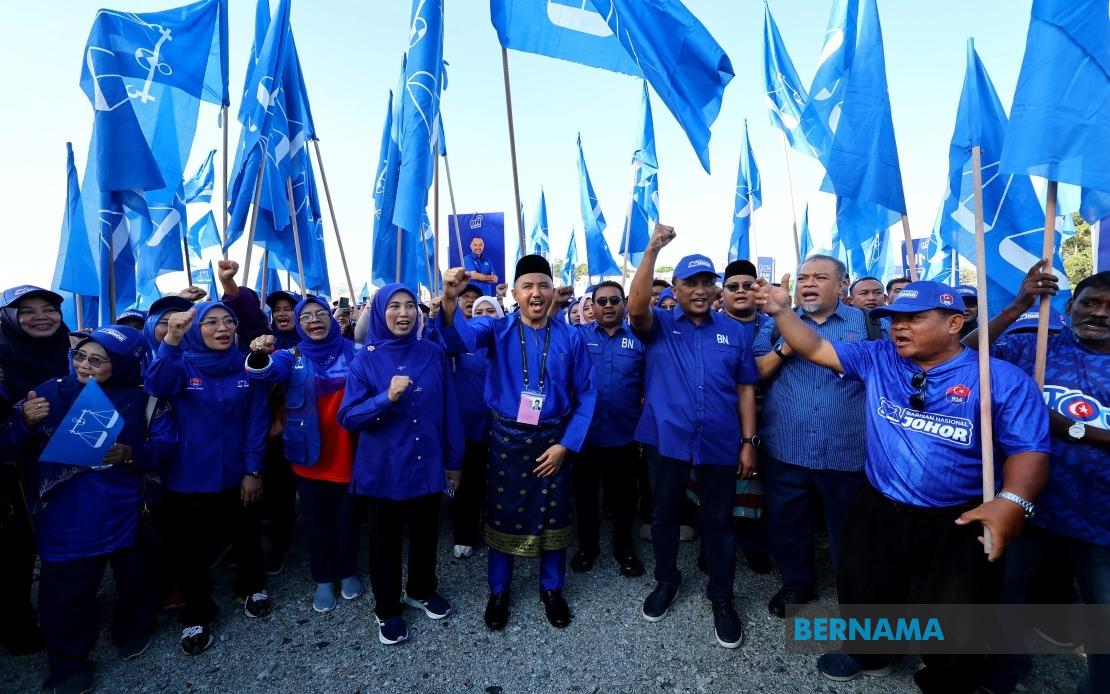
The curtain has fallen on the nomination phase of Johor's 16th state election, with all 56 polling and nomination centres (PPC) closing their doors at 10am on June 27 following a one-hour filing window that began at 9am. Returning officers stationed at each centre made the formal announcements, marking a pivotal moment in the electoral calendar as the state transitions into the intensive campaign phase that will dominate the political landscape over the next fortnight.
With nomination papers now locked away, the focus shifts to the Election Commission's upcoming task of verifying candidate eligibility and releasing the official roster of contenders standing for each of the state seats up for grabs. This administrative phase, though less visible to the public eye than campaign rallies and political speeches, carries considerable weight in determining the shape of the electoral contest and identifying which candidates have met all statutory requirements to contest.
The fourteen-day campaign period officially commences immediately and will run through 11.59pm on July 10, providing political parties and independent candidates with a defined timeframe to canvas voters, articulate their platforms, and mobilise their support bases. This window represents the critical juncture where campaigns transition from behind-the-scenes preparations to public-facing engagement, with candidates and their teams expected to intensify grassroots outreach activities, organise ceramah events, and utilise digital platforms to reach constituents across the state's diverse communities.
The Election Commission has established a comprehensive electoral schedule designed to accommodate all eligible voters. Early voting has been scheduled for July 7, allowing registered voters who anticipate being away on polling day to cast their ballots in advance. The main polling day falls on July 11, giving the electorate a final opportunity to exercise their democratic right. This staggered approach reflects modern electoral administration practices aimed at maximising voter participation across different segments of the population.
The electorate eligible to participate in this election encompasses a substantial cross-section of Johor's population. A total of 2,727,926 voters have been registered to vote, comprising 2,703,175 ordinary voters representing the general population. Additionally, 12,041 military personnel and their spouses are eligible to cast ballots, and 12,710 police personnel and their spouses form another significant bloc of voters. This composition underscores the diverse demographics participating in Johor's democratic exercise, extending beyond civilian voters to include members of the security forces whose participation reflects their stake in the state's governance.
The atmosphere at nomination centres throughout the state remained tranquil and well-organised throughout the morning, a testament to established electoral management protocols and the preparations undertaken by relevant authorities. At multiple venues, party supporters gathered to accompany their respective candidates, creating scenes of political mobilisation and grassroots enthusiasm. The visual presence of supporters underscores the competitive nature of the contest and the engagement of party machinery at the community level.
Security arrangements around the nomination centres were notably robust, with the Royal Malaysian Police providing oversight supported by members of the People's Volunteer Corps. This multi-layered security approach, while somewhat visible to observers, maintained a professional standard that enabled the process to unfold without disruption. The absence of reported incidents of provocation or untoward conduct speaks to both the discipline exercised by political participants and the effectiveness of security coordination in preventing potential flashpoints that might have derailed the orderly conduct of the nomination process.
For Malaysian observers and particularly Johor residents, this election carries significance as a mid-term test of political sentiment in one of the nation's most economically important and politically influential states. The composition of the voter roll reflects Johor's status as a major economic hub with substantial urban and industrial populations, alongside its established role in national politics. The outcome of this election will inevitably carry implications for Malaysian politics beyond Johor's borders, given the state's importance in the broader political calculus.
The transition from the nomination phase to the campaign period marks a shift in electoral intensity. Campaign machinery, which has been assembling behind the scenes, now moves into visible operation. Candidates will begin presenting their vision to voters, addressing local concerns ranging from economic development and employment opportunities to infrastructure, education, and healthcare provision. The campaign period will test the relative organisational capacity of different parties and the resonance of their political messaging with Johor's diverse electorate.

