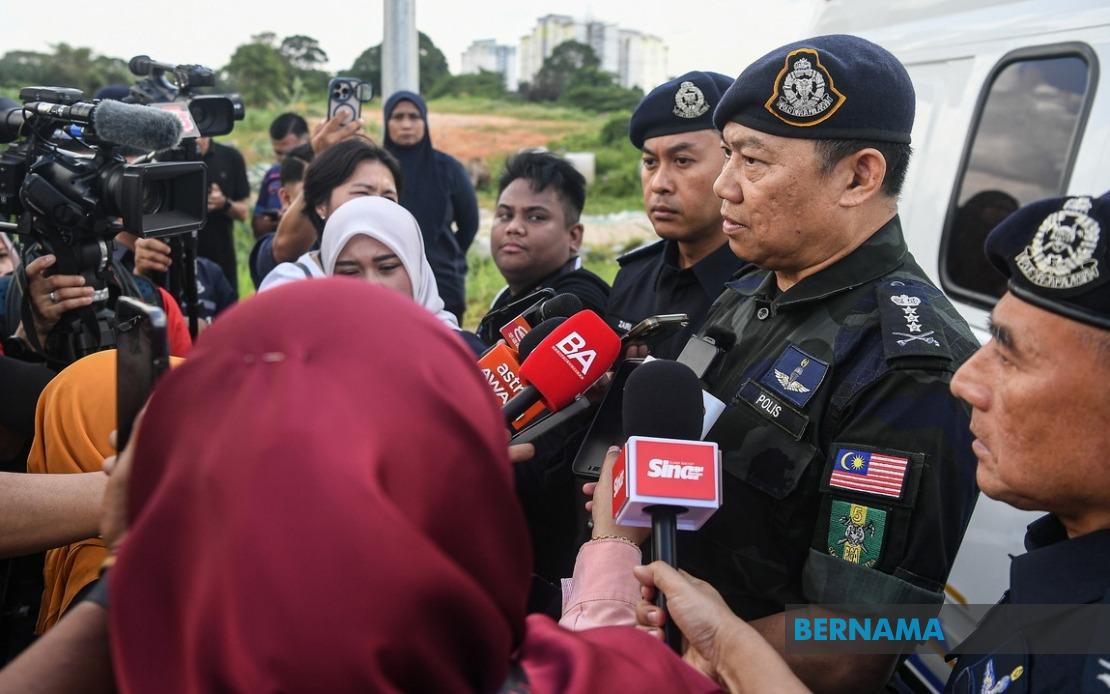
The nomination day for Johor's 16th state election unfolded without incident on June 27, with all 56 nomination centres across the state completing their proceedings smoothly. The incident-free day marked an important milestone in the run-up to one of Malaysia's key state contests, reflecting careful coordination between electoral authorities and security forces preparing for the larger campaign and voting phases ahead.
Johor police chief Datuk Ab Rahaman Arsad confirmed that no reports of disruptive activities had been filed throughout the day, underscoring the largely peaceful atmosphere that characterised the nomination exercise. This outcome was significant given the logistical complexities involved in simultaneously opening nomination centres across a large state and managing the flow of candidates and supporters in what could be a tense political environment.
To guarantee security and maintain order, the Johor police force deployed a substantial contingent of 4,832 officers and personnel across the state. This significant mobilisation reflected the seriousness with which authorities approached ensuring that candidates could file their nominations without interference and that the electoral process retained public confidence. The heavy police presence served both a preventive function and a reassurance to stakeholders that state security forces were vigilant and prepared.
Ab Rahaman, speaking after monitoring the nomination process at the Puteri Wangsa seat location at Sekolah Menengah Kebangsaan Bandar Dato Onn in Johor Bahru, indicated that the campaign machinery was already being authorised for the weeks ahead. The Election Commission had approved 26 campaign permits statewide by that date, with more expected as parties formalised their campaigning plans. This regulatory framework, administered through the permit system, is designed to channel political activity into orderly and manageable channels while preventing unauthorised or disruptive campaigns.
As the campaign period formally begins, the police chief emphasised the importance of responsible campaigning, stressing that all political parties and candidates must adhere strictly to election laws and the regulatory framework governing political activity. This message underscores an ongoing challenge in Malaysian elections: ensuring that vigorous political competition does not spill over into violations of electoral codes or actions that threaten the integrity of the process itself.
Ab Rahaman further warned against any actions that could undermine public order during the campaign phase. The statement reflected an awareness that while nomination day had passed peacefully, the intensified political activity ahead could potentially generate flashpoints if parties and candidates allowed campaigns to become confrontational or if supporters engaged in intimidation or violence. Police indicated they were fully mobilised and prepared to respond to any disruptions.
The Election Commission has established a clear electoral timeline for the 16th Johor state election. Early voting has been scheduled for July 7, allowing essential workers and those unable to vote on polling day to participate in advance. The main polling day is set for July 11, giving candidates and parties approximately two weeks to conduct their campaigns following the nomination period.
For Malaysian observers, the Johor election holds particular significance as the state has traditionally served as a bellwether for broader political trends in the nation. As Malaysia's second-largest state by population and a key economic region, election outcomes here often carry implications beyond state politics, potentially influencing federal-level dynamics and coalition strategies. The smooth nomination process therefore suggested that the state election machinery was functioning effectively, though the real test would come during the campaign and voting phases.
The absence of nomination day incidents also stands in contrast to historical moments when Malaysian elections have been marked by tensions or disruptions. A peaceful nomination process indicates that political actors are respecting electoral procedures and that security forces are successfully managing the complex task of enabling democratic participation while maintaining order. Nevertheless, security forces remain on heightened alert, aware that campaign periods can generate unexpected developments.
For political parties contesting the election, the nomination process represented the formal point at which their candidates became official contenders, triggering the commencement of regulated campaign activity. The approval of 26 permits by this early stage suggested that multiple parties were already preparing their campaign machinery and expected to be active in various constituencies across the state during the campaign period.
The two-week campaign window between June 27 and July 11 will be crucial in shaping electoral outcomes. During this period, candidates will seek to connect with voters, articulate their platforms, and build support networks. The regulatory environment, enforced through police oversight and Election Commission guidelines, is intended to keep this competition within democratic boundaries. The Johor police force's readiness to handle any situation signals that authorities are taking seriously their responsibility to protect the integrity of the electoral process.
As voting approaches, the smooth nomination process will likely provide political actors and observers with some confidence that the electoral machinery is functioning properly. However, the true measure of election success extends beyond a quiet nomination day—it encompasses fair access for candidates, genuine voter choice, and acceptance of results. The Johor 16th state election will demonstrate whether the state's electoral system can deliver these outcomes under conditions of genuine political competition.

