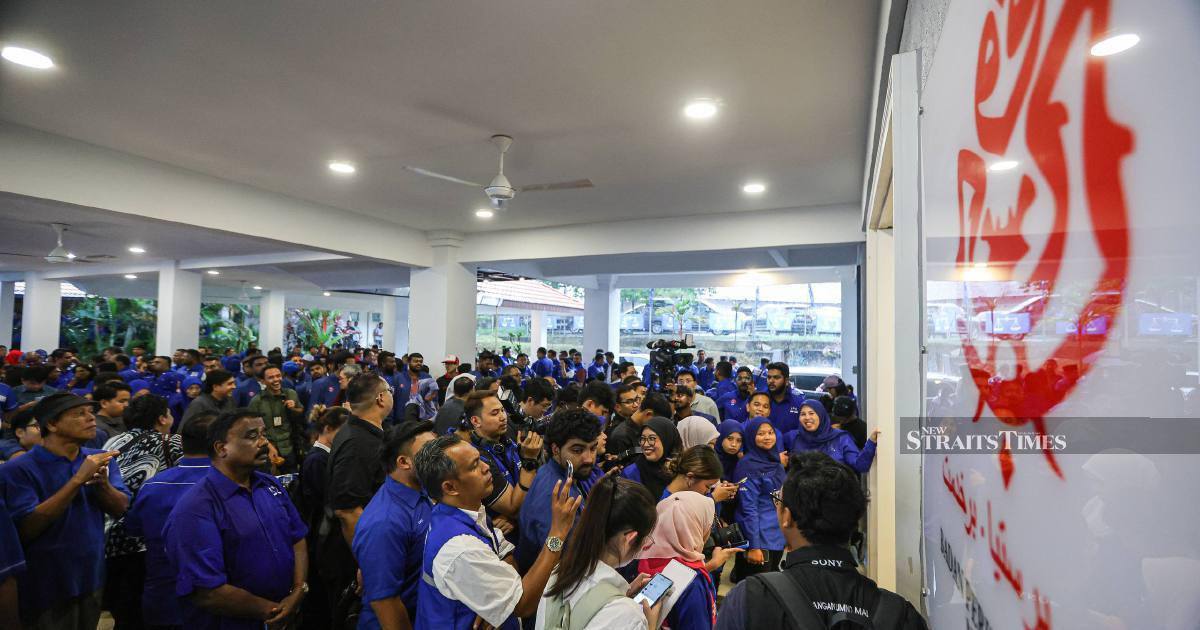
The Johor Umno headquarters in Johor Baru has become a focal point of political activity as Barisan Nasional readies itself for a decisive moment in the coalition's campaign strategy. Senior party figures, rank-and-file members and enthusiastic supporters have descended on the venue, signalling the palpable anticipation that surrounds the imminent candidate announcements for the 16th Johor state election. The gathering reflects the heightened stakes involved in the southern state's electoral contest, where Barisan Nasional seeks to consolidate its political dominance.
For Barisan Nasional, the announcement of its candidate lineup represents a critical juncture in its electoral roadmap. The selection of nominees is seldom a straightforward process, involving intricate negotiations between component parties—Umno, MCA, MIC and others—each seeking to secure optimal positions for their respective representatives. The composition of the candidate list will signal the coalition's strategic priorities and its assessment of which constituencies offer the strongest prospects for securing parliamentary and state legislative seats. In Johor, where Umno remains the dominant political force, the candidate decisions carry weight beyond the state level, potentially influencing party dynamics and the broader narrative heading into national political developments.
The visible enthusiasm among party members and supporters gathering at the headquarters underscores the grassroots energy that Barisan Nasional is attempting to mobilise ahead of the election campaign. Such public gatherings serve multiple functions within the Malaysian political ecosystem. They reinforce party cohesion by bringing together disparate wings of the organisation, from senior decision-makers to ordinary members who form the backbone of ground-level campaigning. They also generate media coverage and momentum, signalling to the electorate that the coalition remains vibrant and organised despite recent political setbacks and the ongoing competition from rival coalitions.
Johor's electoral significance cannot be overstated within Malaysia's political architecture. As one of the nation's largest and most economically important states, election outcomes in Johor have historically influenced perceptions of broader national political trends. A strong performance by Barisan Nasional in the 16th state election would provide the coalition with momentum and vindication of its comeback narrative following the 2022 general election. Conversely, any underperformance would embolden opposition forces and raise questions about the sustainability of the coalition's renewal efforts. The candidates selected will therefore be tasked not only with winning their individual constituencies but with contributing to a wider political statement about Barisan Nasional's viability and appeal.
The timing of candidate announcements traditionally generates intense speculation and debate within political circles and among the public. Supporters scrutinise the list for evidence of party leadership's priorities, looking for signals about which grassroots figures have gained influence and which may have been sidelined. The announcement process itself becomes a narrative-generating event, with media outlets parsing the composition of the slate for clues about internal power dynamics and strategic calculations. For Malaysian voters, the candidate lineup represents their immediate choice at the ballot box, making the announcement a moment when electoral options crystallise and genuine campaign activity begins in earnest.
The gathering at Johor Umno headquarters also reflects the organisational capacity that Barisan Nasional continues to demonstrate despite facing electoral challenges in recent years. The coalition retains institutional infrastructure, party discipline and logistical capabilities that allow it to convene large numbers of people for coordinated political events. This organisational strength remains a competitive advantage in Malaysia's electoral system, where field operations and ground presence continue to matter significantly. The visible turnout of party cadres and supporters therefore communicates something about Barisan Nasional's continued viability as a political machine capable of mobilising resources and sustaining campaigns across extended periods.
For Malaysian observers and regional political analysts, developments in Johor elections carry implications beyond the state's borders. Johor's political orientation has historically influenced discourse about Malay-Muslim politics, federal-state relations, and the balance of power between competing coalitions. A Barisan Nasional victory would reinforce the narrative of coalition consolidation and restoration of traditional power structures. Such an outcome might also affect calculations in other states where elections remain pending, as political actors reassess the relative strength and momentum of competing blocs. The candidate announcements therefore represent more than a procedural requirement; they mark the beginning of a consequential political contest with ripple effects across Malaysia's political landscape.
The 16th Johor state election comes at a moment when Malaysian politics remains in flux. The 2022 general election fractured the previously dominant Barisan Nasional coalition, while the subsequent period has witnessed shifts in alliances and the emergence of new political configurations. Johor's election provides an opportunity for Barisan Nasional to demonstrate that it has stabilised its position and successfully arrested its decline. The candidates selected will embody this renewal narrative, with their backgrounds, experience and public profiles becoming subject to intense scrutiny by both supporters and critics. The coalition will be hoping that the announcement of its slate generates momentum and enthusiasm that translates into effective campaigning and ultimately electoral victory.
The energy evident at the Johor Umno headquarters reflects the stakes involved in this political contest. For party members and supporters, the candidate announcement represents validation of their commitment and a clarification of their role in the forthcoming campaign. For Barisan Nasional's leadership, the unveiling of the slate marks a transition from planning and negotiation into direct electoral competition. The gathering therefore captures a moment of political transition, where anticipation and preparation give way to the concrete realities of contesting for power in one of Malaysia's most significant states.