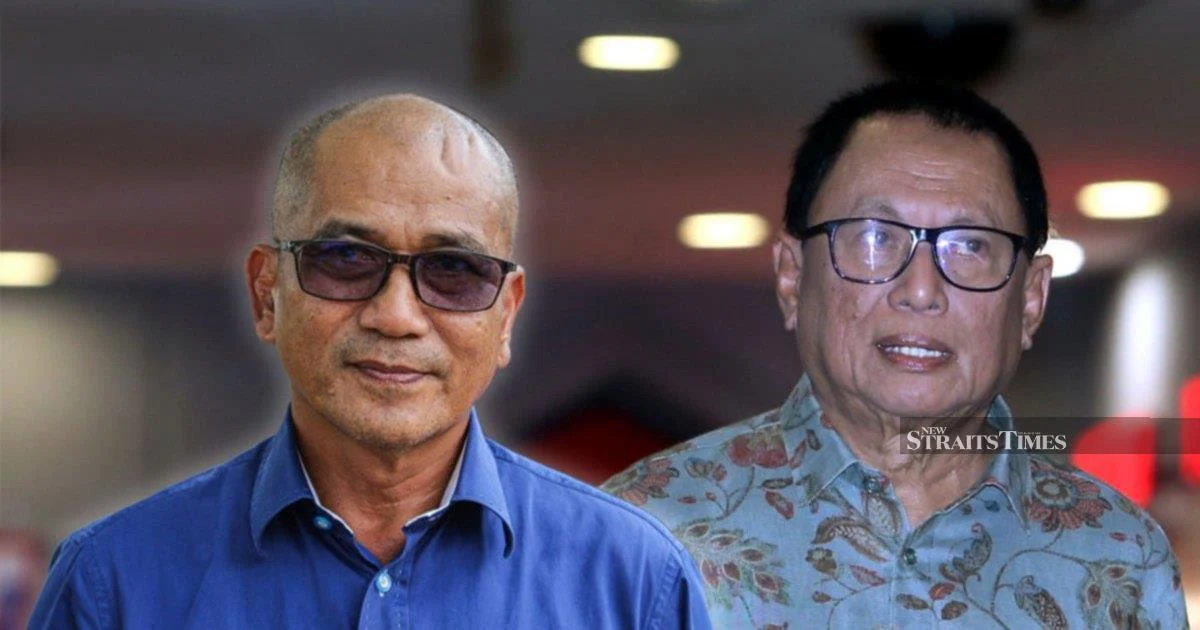
The leadership of Umno in Johor has moved swiftly to counter assertions made by Datuk Dr Mohd Puad Zarkashi, the state's former speaker of the legislative assembly, regarding the circumstances surrounding the dissolution of the chamber on June 1. Party officials have dismissed the allegations as serious false claims, signalling an escalating political dispute within Johor's ruling structures.
The nature of Puad Zarkashi's specific allegations remains a focal point of contention, with Johor Umno leaders characterising them as unfounded and damaging to the party's reputation and governance record. The former speaker, who previously held a significant institutional position overseeing parliamentary proceedings, has apparently questioned the legitimacy or justification for the dissolution decision, prompting a forceful response from the party establishment.
This disagreement underscores deepening fissures within Johor's political landscape, a state that has long been considered a bastion of Umno support and a critical component of the broader Barisan Nasional coalition at federal level. The public nature of the dispute, with both sides making competing claims about the assembly's dissolution, potentially undermines internal party cohesion during a period when electoral pressures and demographic shifts are reshaping Malaysian politics.
The dissolution of state assemblies is a constitutionally sensitive matter in Malaysia, typically requiring careful consideration of political circumstances and legal frameworks. The June 1 timing suggests this occurred during a specific political moment, though additional context surrounding the decision would clarify whether the dissolution was part of routine electoral cycles or represented a response to parliamentary deadlock or other extraordinary circumstances.
Umno's forceful rejection of Puad Zarkashi's allegations reflects the party's determination to control the narrative around key governmental decisions. The characterisation of the claims as grave slander indicates that Johor's Umno leadership views the allegations not merely as political disagreement but as attacks on personal and institutional integrity. This rhetorical escalation suggests the underlying dispute involves substantive questions about political legitimacy rather than routine procedural disagreements.
Puad Zarkashi's previous position as speaker gives his comments particular weight within political circles. The speaker role represents the institutional voice of the legislature and is traditionally held by a figure respected across party lines for impartiality. His willingness to publicly challenge the dissolution decision suggests either a significant principled objection to the process or an indication of deeper factional disputes within Johor's political structures that transcend simple party loyalty.
For Malaysian observers and political analysts, this dispute illuminates the internal dynamics of major political parties, which often remain obscured from public view. Umno, as the peninsula's largest party and the dominant force in multiple state governments, must maintain both internal discipline and credible governance narratives. Public disputes between senior figures weaken both objectives, potentially affecting electoral prospects and the party's capacity to govern effectively.
The timing of these allegations and counter-allegations warrants consideration within the broader context of Johor's political trajectory. The state has experienced significant electoral and institutional changes in recent years, with shifts in voting patterns and coalition arrangements affecting traditional power bases. An internal party dispute over the assembly dissolution may reflect anxieties about political direction and leadership prerogatives during a transitional period for Malaysian politics.
The Umno response also indicates the party's willingness to employ forceful language in defending its actions, potentially signalling confidence in its political position or alternatively reflecting sensitivity about the dissolution's justification. The use of terms such as grave slander suggests the party views this matter as requiring unambiguous refutation rather than detailed substantive engagement with Puad Zarkashi's specific points.
The broader implications extend beyond intra-party dynamics. State assembly dissolutions, particularly in Barisan Nasional-governed states, carry significance for federal political alignments and coalition stability. Any perception that such decisions were taken without sufficient procedural legitimacy or institutional consultation could ripple through other state-level governance contexts and affect public confidence in parliamentary institutions.
For Malaysian observers monitoring state-level politics, this dispute demonstrates that even within seemingly unified coalition structures, significant disagreements can surface publicly, challenging conventional assumptions about party discipline and institutional hierarchy. The extent to which other Umno figures choose to publicly support or distance themselves from either position may indicate deeper factional alignments within the party.
Moving forward, how this dispute resolves—whether through further public statements, internal party mediation, or legal action—will provide important signals about the state of Johor's political leadership and Umno's internal governance mechanisms. The handling of such disputes affects not only institutional credibility but also the party's electoral viability in a state where demographic and political changes are creating new competitive pressures.
The allegations from Puad Zarkashi and Umno's sharp rebuttal illustrate that Malaysia's political system, despite appearances of stability, involves persistent contestation over institutional legitimacy and decision-making authority. These disputes, played out through public statements and counter-allegations, shape political culture and raise questions about the transparency and consensus-building processes within major political organisations at state level.

