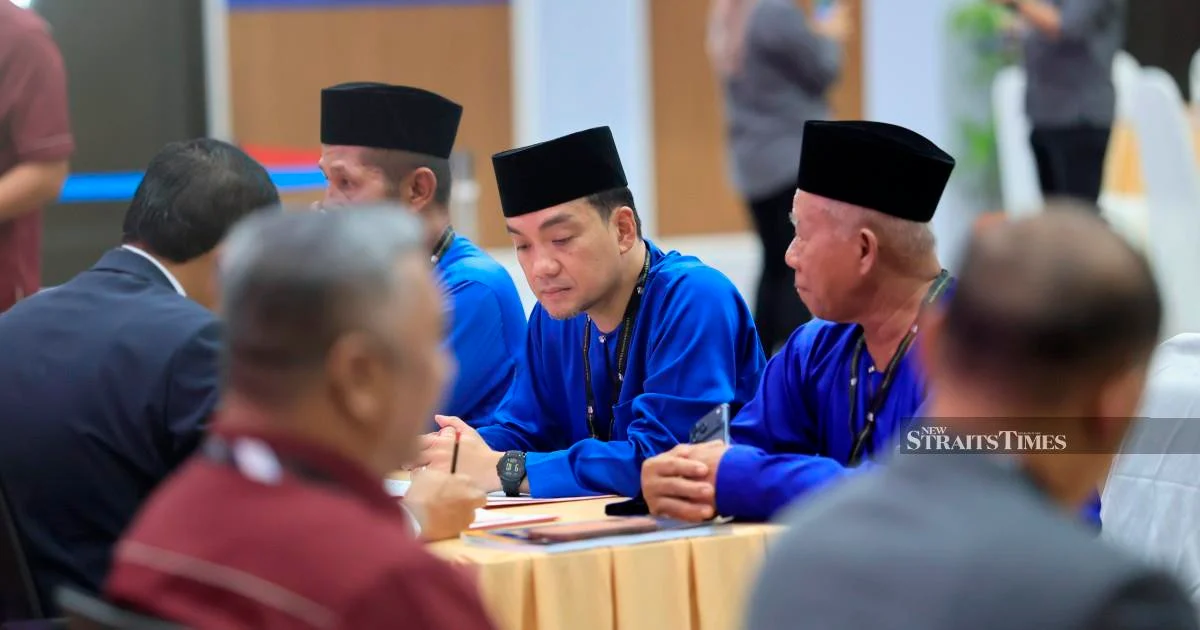
The Johor State Election Commission closed the doors on its candidacy registration exercise this morning, bringing the nomination period to a formal end across all 56 designated centres statewide. This milestone marks a critical juncture in the electoral calendar for the 16th Johor state election, as political parties and independent candidates had worked to meet the strict deadline for submitting their contenders for the upcoming polls.
The closure of nomination centres at the precise 10am cutoff time signals the transition from the registration phase into the subsequent stages of electoral preparation. Johor, as Malaysia's second-most populous state and a political powerhouse, has seen considerable political activity during the nomination period as parties competed to field their strongest candidates across various constituencies. The simultaneous shutdown of all 56 centres underscores the tight administrative coordination required to conduct state-level elections according to established electoral rules and timelines.
The nomination process represents a foundational stage in any democratic election, as it determines which individuals will ultimately appear on ballot papers and vie for electoral representation. For Johor voters, the closure of nomination centres now means that the identity and number of candidates contesting each seat are essentially fixed, barring any unforeseen disqualifications or legal challenges that electoral authorities may subsequently process. This closure also signals to the public and political observers the final roster of contenders who have successfully navigated the registration requirements and documentary submissions.
Given Johor's significance within Malaysia's political landscape, the outcome of this state election carries implications that extend beyond the borders of the state itself. Johor has historically served as a barometer for political sentiment in Malaysia, and the composition of candidates fielded by major coalitions such as Barisan Nasional and Pakatan Harapan reflects broader strategic calculations at the national level. The nomination period thus provides early signals about party strength, unity, and the readiness of political organisations to contest across different demographic and geographical constituencies within the state.
The coordination required to manage 56 nomination centres simultaneously demonstrates the administrative capacity of Johor's election management bodies. Election officials across the state had to ensure consistent application of nomination requirements, proper verification of candidate documentation, and adherence to electoral regulations at every location. This logistical undertaking reflects the complexity of administering elections in a state that encompasses urban centres like Johor Baru alongside rural constituencies and constituencies with distinct socioeconomic profiles.
For Malaysian observers tracking electoral trends, the nomination deadline provides an opportunity to analyse the composition of candidates and predict potential shifts in seat contests. Political analysts and strategic observers will now examine whether incumbents have faced primary challenges from within their own parties, whether new faces have emerged as candidates, and whether the distribution of candidates across different constituencies reveals parties' strategic priorities. In Johor's case, such analysis can shed light on how major political coalitions assess their competitive strengths in different regions of the state.
The next phases of the election process will now unfold according to the electoral schedule, with campaigns formally commencing and election officials preparing polling stations and administrative machinery for voting day. Candidates who successfully completed nomination will begin their campaign activities in earnest, reaching out to constituents and articulating their policy positions. The closing of nomination centres thus represents not an endpoint, but rather a transition to the campaign phase where candidates seek to persuade voters of their suitability for elected office.
For Johor residents, the closure of nomination centres means that the electorate can now focus on evaluating the candidates who have made their intentions known. Voters across the state's various constituencies will have clarity regarding who is seeking their support and can begin assessing candidates based on their track records, policy proposals, and suitability for elected representation. This transparency is fundamental to the democratic process, allowing citizens to make informed electoral choices based on complete information about their options.
The successful completion of the nomination phase within the stipulated timeframe reflects the adherence by political parties and candidates to electoral procedures and deadlines. While the intensity of political campaigning and electoral competition will now intensify across Johor, the foundational work of candidate registration has proceeded smoothly according to schedule. As the state moves toward polling day, the configuration of candidates now fixed by this morning's closure of nomination centres will shape the competitive dynamics and electoral outcomes that ultimately determine Johor's political representation for the coming electoral term.

