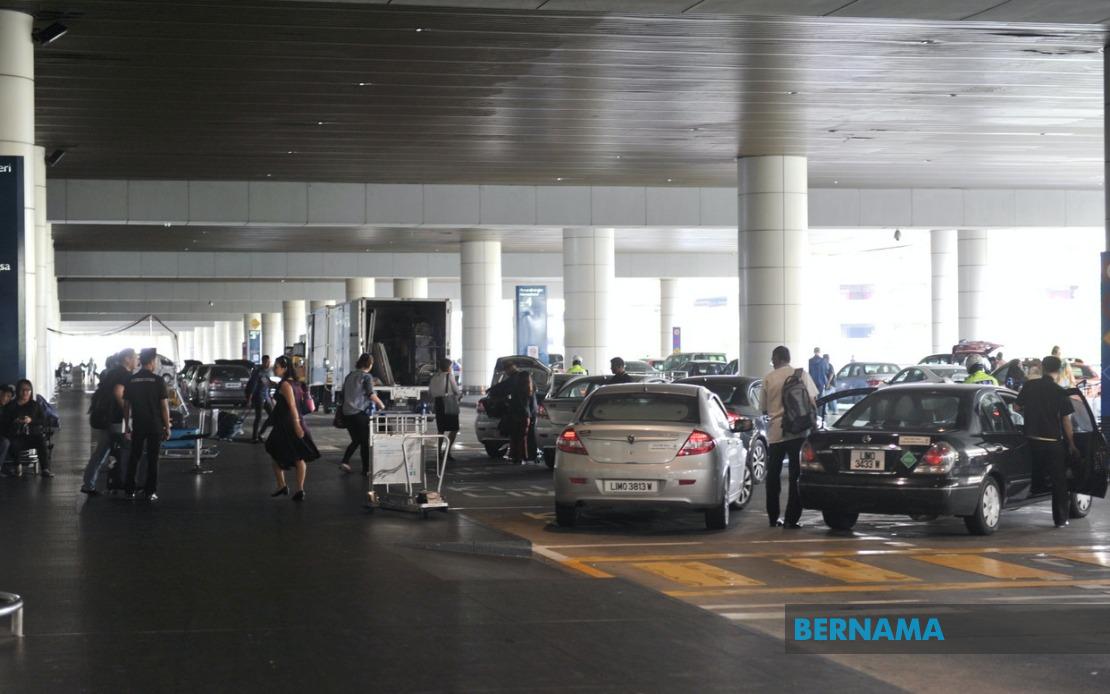
The Road Transport Department (JPJ) is escalating its war on illegal airport touts with a comprehensive staffing and operational overhaul at Kuala Lumpur International Airport. Beginning next week, the agency will introduce continuous monitoring across KLIA's Terminal 1 and Terminal 2, fundamentally reshaping how it tackles the persistent problem of 'ulat'—unlicensed middlemen who solicit passengers for unofficial transport services. This move follows direct orders from the Ministry of Transport, signalling the government's determination to restore order and credibility at the nation's premier aviation gateway.
The current operational shortfall has left the airport vulnerable to these illicit activities. According to Datuk Aedy Fadly Ramli, JPJ's director-general, only 17 officers are presently assigned to Terminal 1, working staggered shifts between 7 am and midnight, while Terminal 2 lacks dedicated enforcement personnel altogether. This skeletal presence has created enforcement gaps, particularly during early morning hours when international flights begin arriving and departing. The timing is significant: illegal touts have systematically exploited these understaffed periods, approaching disoriented tourists and business travellers with unofficial ride arrangements that circumvent regulated fare structures.
The revised strategy represents a fundamental operational restructuring designed to eliminate temporal loopholes. JPJ will implement a three-shift rotation system ensuring continuous 24-hour coverage across both terminals. This means officers will be perpetually present, eliminating the window of vulnerability that currently exists during early morning flights—some departing as early as 4 am. The increased personnel commitment demonstrates the agency's acknowledgment that combating this phenomenon requires more than occasional patrols; it demands consistent, visible enforcement presence.
Beyond simple numerical augmentation, JPJ is elevating the calibre of management overseeing these operations. Senior-ranking officers will now lead enforcement teams at both facilities, ensuring decisions are made by experienced personnel with sufficient authority to implement policy swiftly and decisively. This administrative elevation matters because it removes bottlenecks in command structures and empowers field officers to take decisive action without unnecessary bureaucratic delays. The appointment of higher-ranking supervisors also signals organisational seriousness about the issue.
The 'ulat' problem carries implications extending well beyond airport operations. These illegal operators undermine Malaysia's carefully cultivated image as a professional, well-regulated destination. International visitors encountering aggressive touts or, worse, falling prey to inflated fares or unsafe vehicles, depart with negative impressions that influence travel decisions and recommendations. For a country heavily dependent on tourism revenue and business travel, such reputational damage translates into quantifiable economic consequences. First impressions at the airport fundamentally shape visitor perceptions of Malaysia's infrastructure quality and governance standards.
JPJ recognises that enforcement alone cannot succeed without passenger awareness and cooperation. The department is therefore partnering with Malaysia Airports Holdings Bhd (MAHB) to amplify messaging throughout terminal facilities. Strategic signage and display systems will educate arriving and departing passengers about legitimate transportation options—taxis, ride-hailing apps, hotel shuttle services—and advise against engaging with unlicensed operators. This dual approach of supply-side enforcement and demand-side education addresses the problem from both directions simultaneously.
The collaboration between JPJ and MAHB extends existing co-operative frameworks while introducing new communication tools. By leveraging MAHB's comprehensive airport systems and prominent display capabilities, JPJ can reach passengers at critical decision-making moments—just as they're exiting immigration or preparing to book transport. Effective messaging at these junctures can redirect passenger behaviour away from illegal operators and toward authorised services, reducing the customer base upon which the 'ulat' economy depends.
JPJ's commitment extends beyond this initial deployment. Datuk Aedy Fadly explicitly stated the department will maintain relentless pressure against any parties engaged in these unlicensed middleman activities, implying that this KLIA initiative represents merely one component of a broader, sustained enforcement campaign. The agency will continue intensifying operations at both terminals without compromise, suggesting that lenience toward repeat offenders will not be part of the strategy.
For Malaysian stakeholders, this initiative carries several implications. Licensed taxi operators and ride-hailing services benefit from reduced illegal competition. Passengers gain enhanced safety and pricing transparency. Malaysia's tourism and aviation sectors receive institutional support in maintaining professional standards. The enforcement investment represents recognition that gateway facilities require disproportionate resources because they function as the nation's primary interface with international visitors. What occurs at KLIA directly shapes perceptions that ripple through entire tourism ecosystems.
The initiative also reflects broader regulatory philosophy emerging within Malaysian transport governance. Rather than treating airport ground transportation as a peripheral concern, authorities increasingly recognise it as a strategic component affecting national competitiveness and international reputation. This conceptual reframing—from viewing 'ulat' activities as localised inconveniences to addressing them as systemic image management issues—explains the willingness to commit substantial personnel resources and involve senior-level oversight.
Successfully combating these activities requires sustained commitment. Enforcement intensity must remain consistent, not merely spike temporarily before returning to previous levels. The agency's specification that duty officers will be permanently stationed rather than rotated through longer intervals suggests institutional intention toward permanence. However, success ultimately depends on whether JPJ maintains this deployment level over months and years, not merely weeks.

