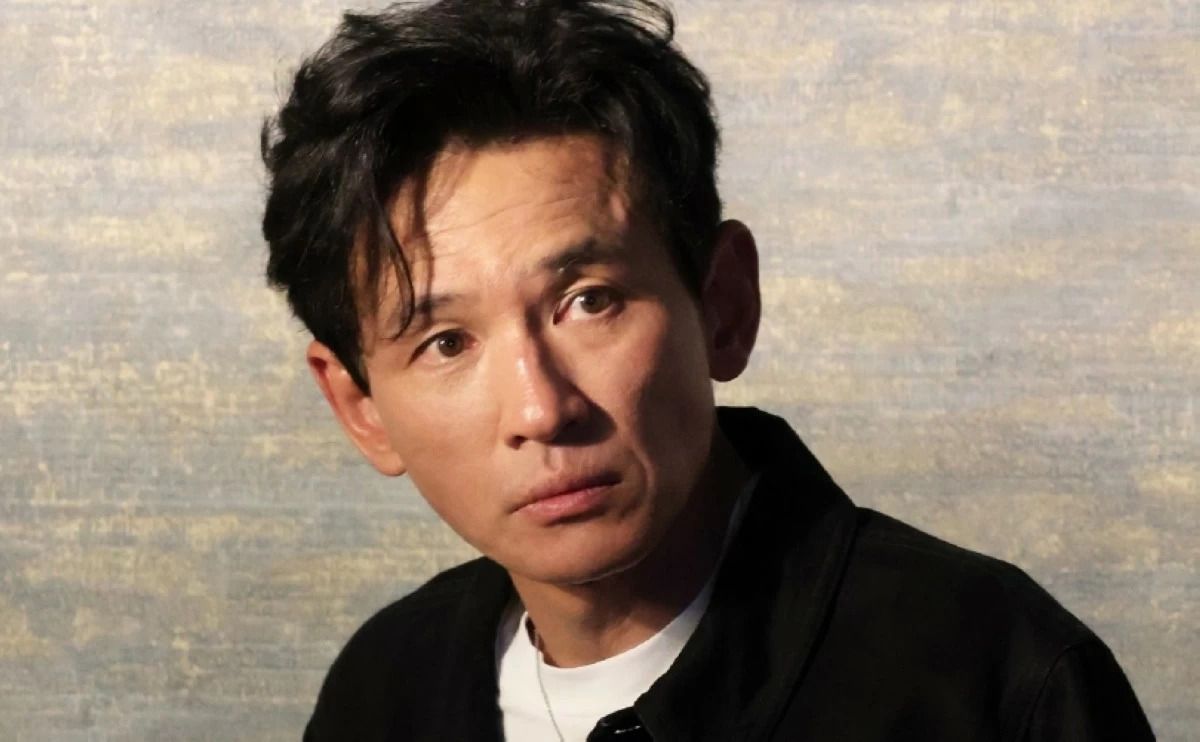
A South Korean entertainment agency representing 55-year-old actor Hwang Jung-min moved swiftly to discredit allegations of an extramarital affair on July 29, declaring that the woman making the claims is a criminal suspect in a stalking case. The agency signalled its intention to pursue additional legal remedies against her, marking an escalation in what has become an increasingly complex dispute involving both criminal and civil proceedings.
The accuser had previously taken to social media to share what she described as text messages, photographs, and an audio recording involving Hwang, asserting they demonstrated a romantic relationship between them. The releases drew immediate attention online and triggered broader discussions about celebrity privacy and the responsibilities of public figures in the digital age.
According to the agency's formal statement, the materials posted on social platforms originated from a woman they characterize as having engaged in persistent harassment directed at the actor. The statement revealed that Hwang himself had initiated criminal proceedings against her in 2025, setting in motion a chain of legal consequences that has substantially constrained her actions. This defensive posture reflects a standard playbook employed by entertainment companies facing reputational threats: mobilize legal mechanisms and publicly dispute the credibility of accusers.
The judicial system has already intervened in the matter multiple times, with a local court imposing restraining orders against the woman on three separate occasions. Additionally, a court issued a summary judgment fine of three million won, equivalent to approximately RM8,525, against her through a streamlined legal process designed for minor infractions. These measures indicate that a judge found sufficient grounds to restrict her conduct, though the summary nature of the judgment suggests the underlying matter may not have been deemed sufficiently grave for full trial proceedings at that stage.
However, the woman has chosen not to accept the court's summary judgment passively. She has filed a formal objection to the fine and requested a complete trial, according to reporting from South Korean media outlets. Simultaneously, she has initiated civil litigation against Hwang seeking financial compensation for damages, suggesting she views herself as the wronged party in this dispute rather than accepting the characterization of stalker or harasser.
Hwang's management dismissed the social media posts as deliberately distorted, referring to them as "maliciously edited" versions of original material, though they notably refrained from explicitly confirming or denying the authenticity of the audio recording that forms perhaps the most compelling piece of evidence. This measured rhetorical approach—attacking the presentation while declining to address the substance—leaves ambiguity that has likely fuelled continued speculation among entertainment media and audiences throughout the region.
The actor has maintained his marriage to Kim Mi-hye since 2004, a relationship that predates much of his major film success by several years. Kim Mi-hye herself holds substantial professional standing within South Korean entertainment, operating as the head of SEM Company, the production and management enterprise that represents her husband. The couple's intertwined professional and personal lives underscore the complex dynamics at play when personal allegations threaten both individual reputations and business interests.
Hwang occupies an exceptionally prominent position within South Korean cinema, commanding box-office appeal that has made him the lead actor in multiple commercially successful films over his career. This elevated status amplifies both the reputational stakes of such allegations and the resources available to mount comprehensive legal defences. The entertainment industry across Asia has increasingly witnessed high-profile figures leveraging their financial and institutional advantages to suppress or discredit claims against them, a pattern that raises questions about power asymmetries in such disputes.
The actor is currently engaged in promoting an international action thriller titled Hope, directed by Na Hong-jin and featuring ensemble cast members including South Korean stars Zo In-sung and Jung Ho-yeon alongside Hollywood actors Michael Fassbender and Alicia Vikander. The film's September 10 opening in Singapore positions it for substantial regional distribution, making the timing of these allegations and their public management particularly sensitive from a commercial perspective. Entertainment executives frequently worry that reputational turbulence involving major stars can influence audience reception and international distribution deals, concerns that likely prompted the swift and aggressive agency response.
The situation illustrates broader complexities emerging across Asia's entertainment sectors regarding the intersection of digital communication, celebrity accountability, and power dynamics. As social media enables individuals to publicize allegations directly to audiences, bypassing traditional media gatekeepers, entertainment companies have increasingly adopted aggressive legal strategies to control narratives and discredit accusers. The distinction between legitimate privacy protection and potential intimidation of legitimate concerns remains contested terrain.
For Malaysian and Southeast Asian audiences, the case offers instructive lessons about how celebrity disputes unfold across the region's interconnected entertainment ecosystem. South Korean entertainment products command significant viewership and cultural influence throughout Southeast Asia, meaning controversies involving major Korean actors resonate beyond their domestic market. The agency's approach—combining legal action, public denial, and character assassination of the accuser—represents a model frequently replicated when similar situations emerge involving regional entertainment figures.
The forthcoming trial and continued civil proceedings will determine whether courts accept the agency's characterization or the woman's claims. Regardless of eventual judicial outcomes, the dispute has already shaped public perception and demonstrated how entertainment industry power can be mobilized to manage damaging allegations.

