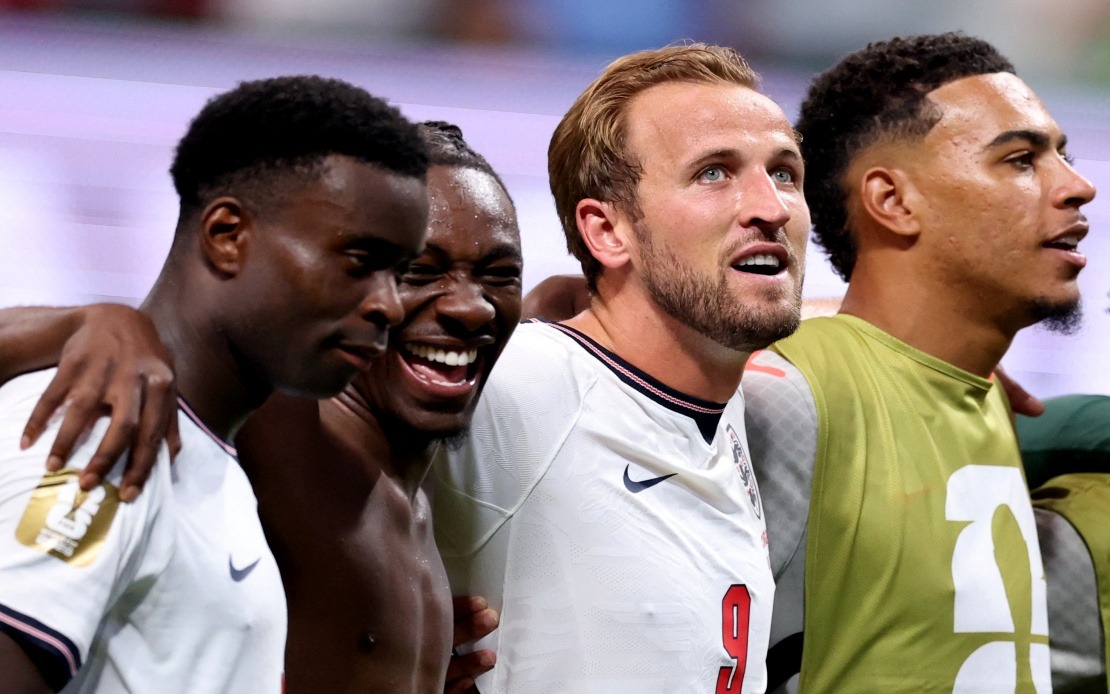
England came perilously close to suffering one of modern football's greatest upsets when they travelled to Atlanta to face the Democratic Republic of the Congo in a World Cup knockout match, only to be rescued by captain Harry Kane's two second-half goals in what became a 2-1 comeback victory. The result allowed Thomas Tuchel's squad to advance to a round-of-32 meeting with co-hosts Mexico, but the performance has raised serious concerns about whether the Three Lions possess the defensive solidity required to mount a credible tournament challenge.
The nightmare scenario unfolded in the opening phases when Brian Cipenga struck for Congo to hand the African nation an early lead. For English supporters with long memories, the moment triggered flashbacks to the humiliating Euro 2016 elimination at the hands of Iceland, a defeat that remains a defining embarrassment in the country's recent football history. Wednesday's display suggested that painful vulnerability had not entirely been exorcised, as England found themselves genuinely threatened with elimination by an opponent appearing in their first World Cup knockout stage.
Congo's inspired performance stemmed largely from goalkeeper Lionel Mpasi's exceptional shot-stopping. The custodian repeatedly frustrated England's attacking players during the first period, making several crucial saves that prevented The Three Lions from establishing the dominance their ranking suggested they should have commanded. Moreover, Tuchel's defensive setup proved repeatedly vulnerable to Congo's direct approach play, with the visitors' forward line finding space with alarming regularity and coming close through Yoane Wissa, who struck the woodwork as the first half progressed.
Kane's penalty claim midway through the first half—a decision that appeared contentious at the time—added to the mounting tension on the sideline. English frustration intensified as the second period wore on without significant progress, creating an atmosphere heavy with pressure and visible anxiety. The longer Congo maintained their lead, the greater the psychological advantage shifted towards the underdogs, who proved far more organized and composed than many observers had anticipated.
The turning point arrived when Tuchel introduced Anthony Gordon from the bench. The substitute's introduction provided fresh impetus to England's attacking play, and crucially, Gordon's deliveries unlocked the breakthrough. Working in conjunction with his captain, Gordon created space for Kane, who converted twice to complete the turnaround and secure three vital points. The comeback represented England's first World Cup win after conceding first since their 1966 triumph, underlining how rare such comebacks have been in the tournament's history.
While the result preserved England's campaign hopes, the manner of victory illustrated several concerning deficiencies that could prove fatal against stronger opposition. Mexico, though not regarded as tournament favorites, represent a substantially tougher prospect than Congo, and their home advantage at the Azteca Stadium will provide additional challenge. Tuchel faces crucial decisions regarding defensive organization and midfield balance before that encounter.
Congo's remarkable performance merits recognition beyond simply being England's opponent. The team's maiden World Cup knockout appearance demonstrated organizational discipline and tactical clarity that suggested the nation possesses emerging football talent. Mpasi's display particularly warrants attention from scouts across European leagues, as his shot-stopping and distribution against England-level opposition indicated genuine quality.
For Malaysian and Southeast Asian observers, this encounter carries broader implications regarding tournament unpredictability. Throughout international football, the narrative that greater resources and reputation guarantee success increasingly appears flawed. Congo's ability to compete against and briefly overcome England reinforces that modern football rewards preparation and team cohesion as much as individual technical ability. Similar lessons apply to regional competitions, where established hierarchies can be challenged by underdog teams executing clear tactical frameworks.
England's advancement comes with significant caveats rather than confidence. The team's fragility when facing organized, committed opponents raises questions about their capacity to overcome genuinely elite sides should they progress further. Tuchel possesses exceptional pedigree, but these early tournament minutes suggest his squad requires wholesale defensive refinement before confronting genuine World Cup contenders. The Mexico clash will reveal whether this was merely tournament rustiness or evidence of more fundamental vulnerabilities within the English setup.
The victory does provide momentum heading into the Mexico encounter, and knockout football naturally generates unpredictability. England's resilience in mounting a comeback demonstrates psychological strength, even if technical and tactical components of their display disappointed. Whether that resilience proves sufficient against a Mexican team accustomed to performing on their home stage remains the critical question facing Tuchel's preparations.

