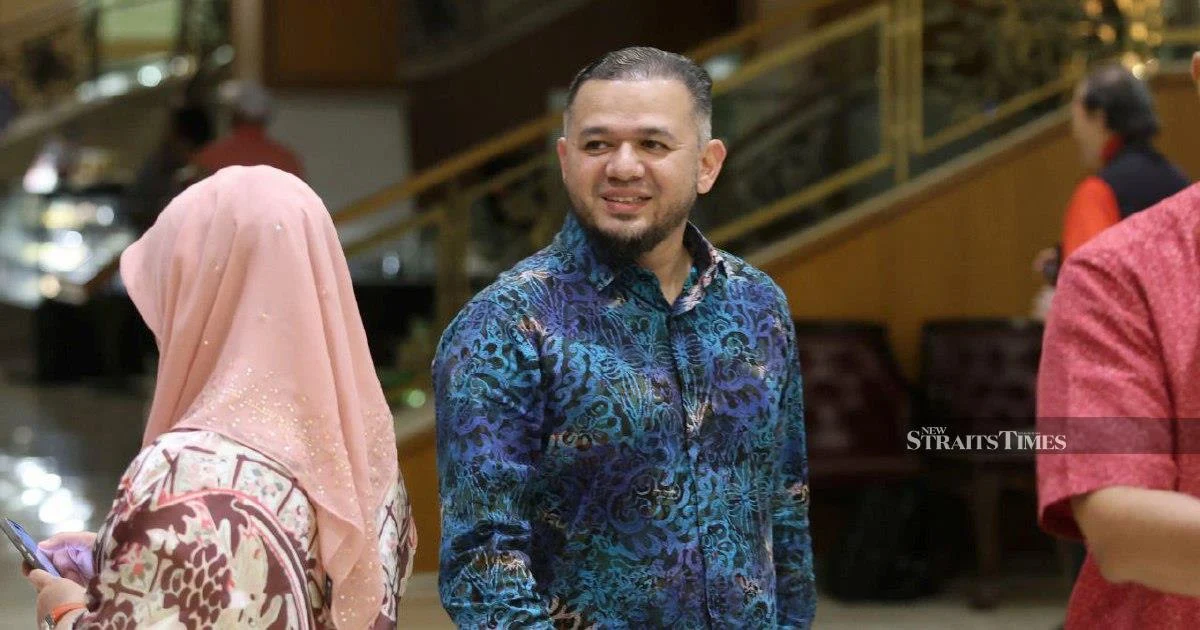
Datuk Dr Fathul Bari Mat Jahya, the Kangar Umno division chief, along with two other former directors of a company, must now settle a debt of RM492,480 owed to a haj and umrah service provider after Malaysia's High Court in Kuala Lumpur refused to halt the execution of the judgment against them. The decision closes what appears to have been a prolonged legal dispute over financial obligations connected to the provision of religious travel services.
The three defendants had filed an application seeking a stay of execution, a procedural mechanism that would have temporarily postponed enforcement of the court's ruling while they mounted further legal challenges. The High Court's dismissal of this application means the judgment is now enforceable, requiring them to settle the outstanding amount without further delay. This development carries particular significance given Fathul Bari's position within Umno, Malaysia's largest political party, highlighting potential consequences when party figures face financial liabilities in civil matters.
The case stems from obligations connected to hajj and umrah services, religious pilgrimage offerings that represent a substantial economic sector in Malaysia and throughout Southeast Asia. These services typically involve comprehensive packages covering flights, accommodation, meals, and religious guidance for Muslims undertaking their obligatory pilgrimage to Mecca or the voluntary umrah journey. The specifics of how the RM492,480 liability arose—whether from service fees, advance deposits, or contract breaches—underscore the complex commercial relationships that can develop within this industry.
The involvement of three former company directors suggests a corporate structure through which these services may have been marketed or delivered. When such entities face financial disputes, the personal liability of directors can become a contentious issue, particularly if the firm itself lacks sufficient assets to meet obligations. The stay of execution application likely represented an attempt to preserve the defendants' ability to appeal or negotiate settlement terms before funds changed hands, a common tactic in debt recovery disputes.
High Court decisions on stay applications typically reflect judicial assessment of whether grounds exist for believing an appeal might succeed, balanced against the plaintiff's interest in receiving payment. The court's decision to reject this application suggests the judicial view that the underlying judgment was sufficiently sound that further delay was not warranted. This raises the stakes considerably for the three defendants, who now face immediate financial consequences rather than a prolonged period of legal uncertainty.
For Malaysian readers and those engaged in the hajj and umrah industry, this judgment illustrates the importance of clear contractual arrangements and financial accountability in religious travel services. The sector's significance to Malaysia's economy and its importance to Muslim communities means that disputes within it attract careful legal scrutiny. Consumers relying on these services need assurance that service providers operate under sound financial management and clear legal frameworks.
The case also reflects broader patterns in Malaysian civil litigation where corporate and political figures become embroiled in financial disputes. While such matters are technically separate from their political roles, they nonetheless generate public attention, particularly when prominent party figures are involved. The requirement to repay substantial sums serves as a reminder that political position does not shield individuals from commercial obligations or court-ordered financial liabilities.
Within the broader context of religious travel services in Southeast Asia, judgments like this underscore the need for robust industry standards and consumer protection mechanisms. Malaysia has developed a mature hajj services sector, but disputes over service quality, pricing, and contract terms continue to arise. Clear judicial precedent on the enforceability of claims against service providers and their directors helps establish expectations for industry conduct.
For the three defendants, the immediate priority now involves arranging payment of the RM492,480. They may still pursue further legal remedies, such as appeals to higher courts, but the stay's dismissal means creditors need not wait during those processes. This creates pressure to either settle the amount or proceed with enforcement mechanisms to recover the debt through other means, such as asset seizure or charging orders.
The timing and circumstances of this judgment also warrant consideration in relation to broader developments within Malaysian politics and governance. Public figures who face commercial liabilities often find themselves navigating complex questions about accountability, transparency, and the relationship between private financial dealings and public trust. Media coverage of such cases reflects persistent public interest in ensuring that political prominence does not translate into immunity from ordinary commercial law.
Industry observers will likely study this judgment's implications for hajj and umrah service providers navigating disputes with clients or former business partners. The enforceability of claims demonstrates that courts take commercial obligations seriously, regardless of the religious or cultural significance of the underlying services. This provides some reassurance to honest service providers seeking recovery of legitimate debts.
Looking forward, the three defendants must determine their path forward. Some may choose to settle promptly, while others might pursue appellate remedies or attempt negotiated resolutions. Regardless of their chosen course, the High Court's decision represents a definitive legal determination that their financial obligation stands and requires payment. For the haj and umrah service provider, the judgment validates their claim and opens the door to enforcement procedures that should ultimately secure recovery of the disputed amount.

