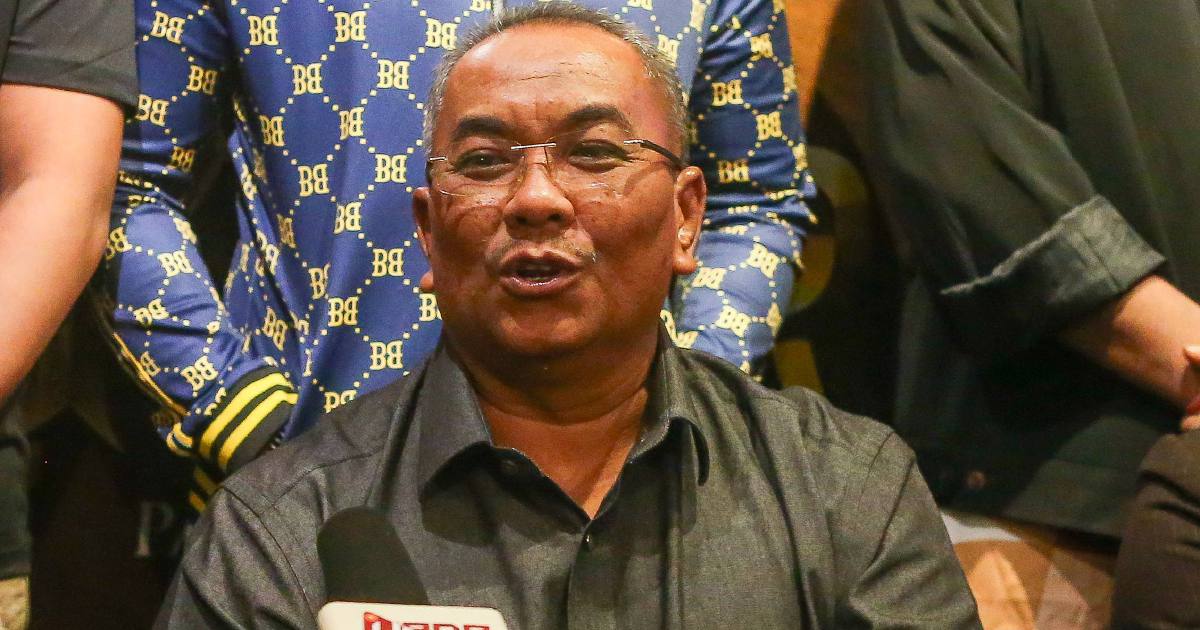
Kedah Menteri Besar Datuk Seri Muhammad Sanusi Md Nor has taken legal action against DAP deputy chairman Nga Kor Ming and two other individuals, issuing formal letters of demand that centre on allegations that they distorted his public remarks. The demand letters, served from his office in Alor Star, relate to comments Sanusi made during a ceramah event held recently in Negri Sembilan, which the Kedah leader claims were deliberately misrepresented by the recipients.
The issuance of legal letters marks an escalation in political tensions between the Perikatan Nasional-led Kedah government and the opposition Democratic Action Party. Such formal demands typically serve as a preliminary legal step, signalling the sender's intent to pursue further action if the recipients do not comply with specific requirements, which often include public retractions or clarifications. The move underscores the increasingly litigious nature of Malaysian political discourse, where disputes over public statements frequently spill into the legal arena.
Sanusi's action reflects a broader pattern in Malaysian politics where politicians weaponise defamation law and demand letters to counter what they perceive as misrepresentations. The Kedah MB's decision to involve multiple parties suggests that the alleged distortion of his remarks was coordinated or involved systematic dissemination of the disputed content across different channels or platforms. This multi-party approach may indicate that Sanusi views the matter as part of a coordinated campaign rather than an isolated incident.
The ceramah in Negri Sembilan at which the original remarks were made represents a significant political space in Malaysia's electoral landscape. Such gathering events remain central to Malaysian political mobilisation, allowing leaders to address supporters directly and shape narratives around policy issues and political identity. The fact that Sanusi's comments from this event became subject to dispute suggests that the ceramah touched on contentious matters, possibly involving criticism of opposition politics or defence of the Perikatan Nasional coalition's record.
Nga Kor Ming, as deputy chairman of the DAP, holds a prominent position within one of Malaysia's largest opposition parties and a key component of the previous Pakatan Harapan government. The involvement of the DAP deputy chairman in this matter elevates the dispute from a personal disagreement to one with potential broader implications for the party's relationship with the Kedah state government. DAP's presence in Negri Sembilan, where the ceramah took place, and its ongoing political activities in several Malaysian states make such incidents particularly sensitive.
The specific nature of the alleged distortion remains significant context for understanding the gravity of Sanusi's action. Whether the dispute involves misquoting, selective quotation, or the application of Sanusi's comments to contexts different from their original setting could materially affect how the legal process unfolds. Malaysian courts have previously had to grapple with complex questions about what constitutes actionable misrepresentation in political speech, balancing the right to robust political debate against protections against deliberate falsehoods.
The letters of demand strategy allows Sanusi to establish a formal record of his objections while avoiding immediate courtroom proceedings. If the recipients fail to comply with the demands—which typically require acknowledgment of error and some form of public correction—Sanusi would have strengthened his position should he choose to pursue litigation. This incremental approach also provides time for negotiations or political settlements that might resolve the dispute without further escalation, though such outcomes are comparatively rare in contested political matters.
For Malaysian politics more broadly, this incident illustrates the persistent tension between free political speech and protection from defamation. The opposition faces constant accusations of misrepresentation from ruling coalition members, while simultaneously arguing that they face constraints on their ability to criticise the government. The involvement of demand letters in this particular case exemplifies how these disputes are increasingly formalised through legal mechanisms rather than resolved through dialogue or political accountability mechanisms.
The timing of the demand letters within Kedah's political calendar may also merit consideration. The state faces elections within the medium term, and such legal actions can serve dual purposes of addressing perceived grievances while simultaneously raising the political profile of the MB and signalling strength to his political base. Opposition parties, conversely, may view the demands as intimidation tactics designed to chill their political speech and criticism.
The response from Nga and the other recipients will likely shape the trajectory of this dispute significantly. Public acknowledgment of error combined with retraction would effectively resolve the matter, though such outcomes are uncommon when political reputations are at stake. Conversely, rejection of the demands or a spirited defence of the original statements would virtually guarantee escalation to formal legal proceedings, setting precedent for how Malaysian courts handle similar political disputes.
This case also has implications for how Southeast Asian democracies manage political conflict. Malaysia's reliance on legal mechanisms to resolve political disputes contrasts with other regional democracies that have developed more robust informal mechanisms for political negotiation and conflict resolution. Understanding whether formalised legal approaches enhance or damage democratic discourse remains an ongoing question for Malaysian observers and constitutional scholars.

