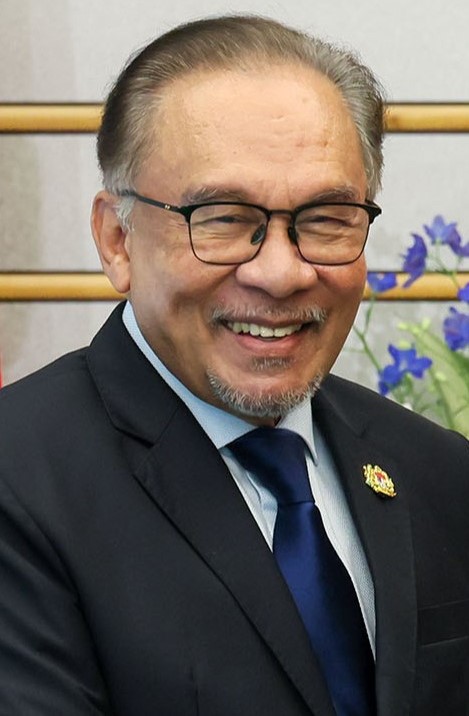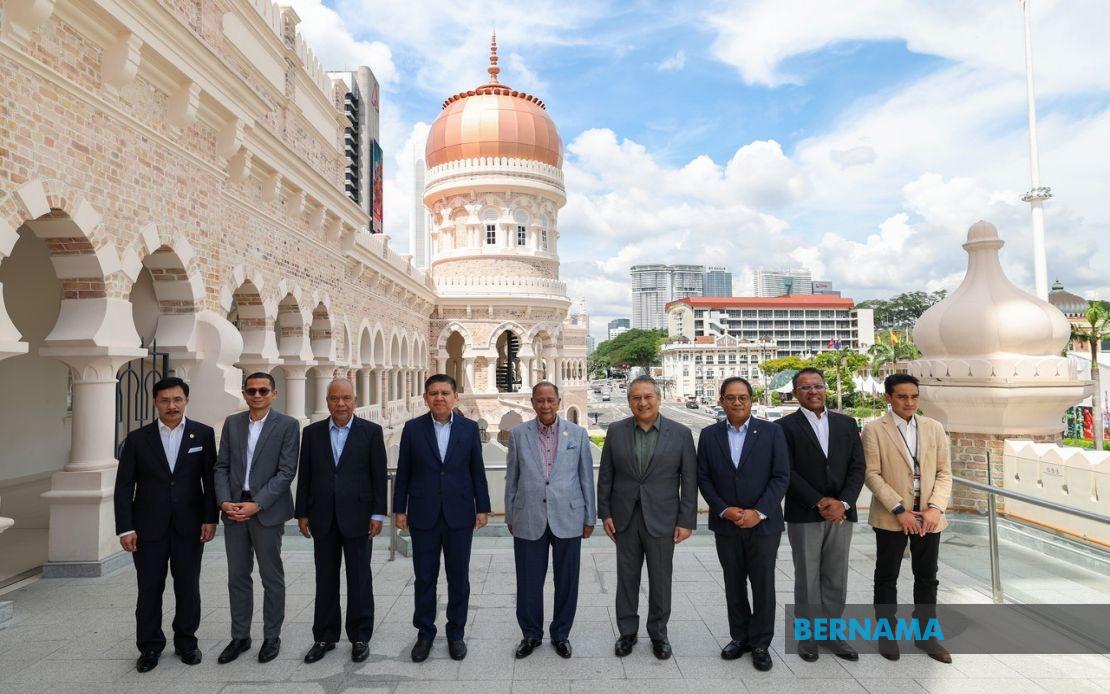
The Sultan of Kedah, Al Aminul Karim Sultan Sallehuddin Sultan Badlishah, visited the Sultan Abdul Samad Building (BSAS) in Kuala Lumpur on June 24, touring one of Malaysia's most significant heritage structures and gaining firsthand insight into its ongoing preservation efforts. Arriving at approximately 10.30 am, His Royal Highness was received by Khazanah Nasional's managing director Datuk Amirul Feisal Wan Zahir, alongside senior officials including chief corporate officer and general legal adviser Datuk Mohamed Nasri Sallehuddin and head of real assets Selvendran Katheerayson. The royal visitation underscored the national importance attributed to the building's restoration and its role in preserving Malaysia's institutional memory.
The BSAS, originally constructed as the Secretariat Building, occupies a unique position in Malaysian history as the administrative nucleus during the nation's formative years. The structure witnessed the pivotal moment on August 31, 1957, when the Union Jack was lowered and the Federation of Malaya flag raised for the first time, marking the country's independence. These events embedded the building within the collective consciousness of Malaysia's founding generation and subsequent citizens, making its preservation a matter extending beyond architectural conservation to cultural safekeeping. The building's facade and grandeur have made it an iconic symbol recognised by generations of Malaysians and visitors alike.
During his visit, the Sultan examined the Confluence Hall, which operates as a dedicated gallery showcasing the origins and evolution of Kuala Lumpur. Think City senior manager Mariana Isa provided detailed briefings on the exhibits, allowing the royal visitor to appreciate how the curated displays narrate the city's transformation from a tin-mining settlement to a modern metropolis. This historical narrative, presented through carefully selected artefacts and documentation, enables visitors to comprehend the interconnections between Kuala Lumpur's development and Malaysia's broader nation-building trajectory. The Confluence Hall serves as an educational platform for both local and international audiences seeking to understand the capital's historical foundations.
The Sultan subsequently visited the Visionary Hall, which features architectural models and interactive multimedia presentations illustrating Kuala Lumpur's urban planning and anticipated future development. These contemporary interpretive approaches complement the historical narratives presented in the Confluence Hall, offering visitors a comprehensive perspective spanning from the city's origins through its present configuration to projected future scenarios. The integration of traditional museum presentation with modern digital technologies reflects contemporary best practices in heritage site management, particularly relevant for Malaysian cultural institutions aiming to engage younger demographics and technology-literate audiences.
Following these gallery visits, His Royal Highness proceeded to the iconic balcony situated above the Porte Cochere, the grand entrance portico that remains one of BSAS's most recognisable architectural features. The vantage point offers panoramic views of the surrounding Merdeka Square area, connecting visitors physically and visually to the spaces where Malaysia's pivotal independence ceremonies occurred. The Sultan's presence on this balcony carried symbolic weight, linking the contemporary monarchy with the historical events that transpired at this exact location decades earlier. Such moments of royal engagement with heritage sites reinforce the connection between Malaysia's institutional continuity and its foundational historical moments.
The Sultan concluded his visit by touring the School of Hard Knocks, an initiative operated by Royal Selangor that provides practical skills training and social enterprise opportunities. This facility represents a different dimension of the BSAS's contemporary functionality, extending beyond heritage tourism and educational programming to encompass vocational development and community engagement. The inclusion of this working space within a heritage building demonstrates how historic structures can serve multifaceted modern purposes while maintaining their preservation integrity. The Sultan's participation in a light luncheon before departing at approximately 1.15 pm provided an informal engagement with the various programmes operating within the restored building.
Khazanah Nasional's managing director Datuk Amirul Feisal expressed profound appreciation for the royal patronage, characterising the visit as recognition of the organisation's comprehensive preservation philosophy. He emphasised that conservation efforts extend beyond structural restoration and physical maintenance to encompass the interpretive frameworks through which heritage becomes meaningful to contemporary and future generations. Khazanah Nasional's stewardship demonstrates an institutional commitment transcending purely architectural considerations to engage with historical memory, educational programming, and community connection. This holistic approach reflects international best practices in heritage management, positioning Malaysian cultural institutions within global standards of preservation and interpretation.
The BSAS has achieved considerable public engagement since its opening to the public on February 2, attracting approximately 200,000 visitors within its initial months of operation. This substantial visitor volume indicates widespread public interest in Malaysia's heritage infrastructure and suggests successful marketing and programming strategies that have made the site accessible and compelling to diverse audiences. The figures suggest that heritage sites, when properly presented and managed, can function as significant cultural attractions generating both educational value and economic benefits through tourism activity. The visitor numbers provide quantifiable evidence supporting continued investment in Malaysian heritage preservation initiatives.
The restoration and reopening of BSAS represent outcomes of the Khazanah Heritage Fund programme, through which His Majesty Sultan Ibrahim, King of Malaysia, officially inaugurated the completion of Phase One conservation works on January 31. The eleven-month restoration process involved comprehensive structural assessment, conservation of original architectural elements, and careful integration of modern systems necessary for public accessibility and safety. This phased approach to restoration allows ongoing preservation work while maintaining public engagement, avoiding the extended closures that heritage projects sometimes entail. The successful Phase One completion establishes foundations for potential subsequent phases addressing additional structural elements or site expansions.
The royal visit assumes particular significance within Malaysia's broader heritage preservation agenda at a moment when multiple restoration projects have gained governmental and institutional priority. The Kedah Sultan's engagement signals inter-state recognition of national heritage initiatives and reinforces the unity among Malaysia's royal institutions in championing cultural preservation. Such collaborative support from the Malay rulers strengthens the legitimacy and resources available for heritage projects, signalling that preservation enjoys backing across federal and state authorities. This alignment becomes especially important for encouraging private sector and international partnerships that increasingly characterise heritage conservation in Southeast Asia.
For Malaysian and regional audiences, the BSAS reopening and continued visitor engagement represent broader trends in how Southeast Asian nations are repositioning heritage sites as contemporary cultural and educational resources rather than merely museum artifacts. The integration of interactive technologies, educational programming, and working social enterprises within historic structures reflects evolving approaches to heritage stewardship. These developments suggest that Malaysia's heritage institutions are engaging with international discourse on sustainable preservation while maintaining local relevance and accessibility. The Sultan of Kedah's visit exemplifies how royal patronage continues supporting these cultural enterprises within Malaysia's constitutional framework.