The transformation of your complexion during a long-haul flight is no accident – it's a direct consequence of the extraordinarily dry environment inside a pressurised cabin, where moisture levels plummet to roughly one-fifth of what your skin experiences on the ground. This dramatic shift in atmospheric conditions triggers accelerated moisture loss from the skin's outer layers, a process known as transepidermal water loss, leading to visible tightness, dullness, and a compromised skin barrier that can take days to recover. Understanding this mechanism is essential for frequent flyers and those planning extended journeys, particularly Malaysian travellers heading to Europe or Australia who face flights of twelve hours or more.
Dermatologists attribute the severity of in-flight dehydration to a stark contrast in humidity levels. Whereas normal environments maintain humidity between 40 and 60 percent, aircraft cabins operate at approximately 10 to 20 percent – a condition comparable to desert climates. This artificially low moisture environment forces the skin to surrender its hydration reserves rapidly, depleting the natural moisture that maintains a healthy complexion. The effect intensifies over the course of a journey, meaning short regional flights between Malaysian and Singaporean cities may cause mild dryness, whilst transpacific voyages can leave skin significantly compromised, flaky, and prone to sensitivity.
The consequences of this dehydration extend beyond mere aesthetic concerns. Prolonged exposure to cabin air causes skin tightness, dehydration-induced dullness, and a flat appearance that many travellers find distressing. For individuals with sensitive skin conditions or those prone to reactivity, the stress of flight-induced dehydration can trigger inflammatory responses and temporary barrier dysfunction. The severity correlates directly with flight duration – a reality that informs the medical consensus that long-haul travellers require deliberate, structured skincare interventions rather than casual moisturising approaches.
Preparing your skin before boarding is equally important as managing it during flight. Dermatologists recommend significantly increasing your intake of hydrating ingredients in the days preceding travel, whilst simultaneously eliminating potentially irritating components from your routine. This means temporarily discontinuing the use of active ingredients such as alpha-hydroxy acids, beta-hydroxy acids, and retinol – compounds that, whilst beneficial for regular skin maintenance, can exacerbate dryness when combined with cabin air exposure. Some specialists recommend withdrawing these ingredients 24 to 48 hours before departure to allow the skin barrier to stabilise and strengthen before facing the harsh cabin environment.
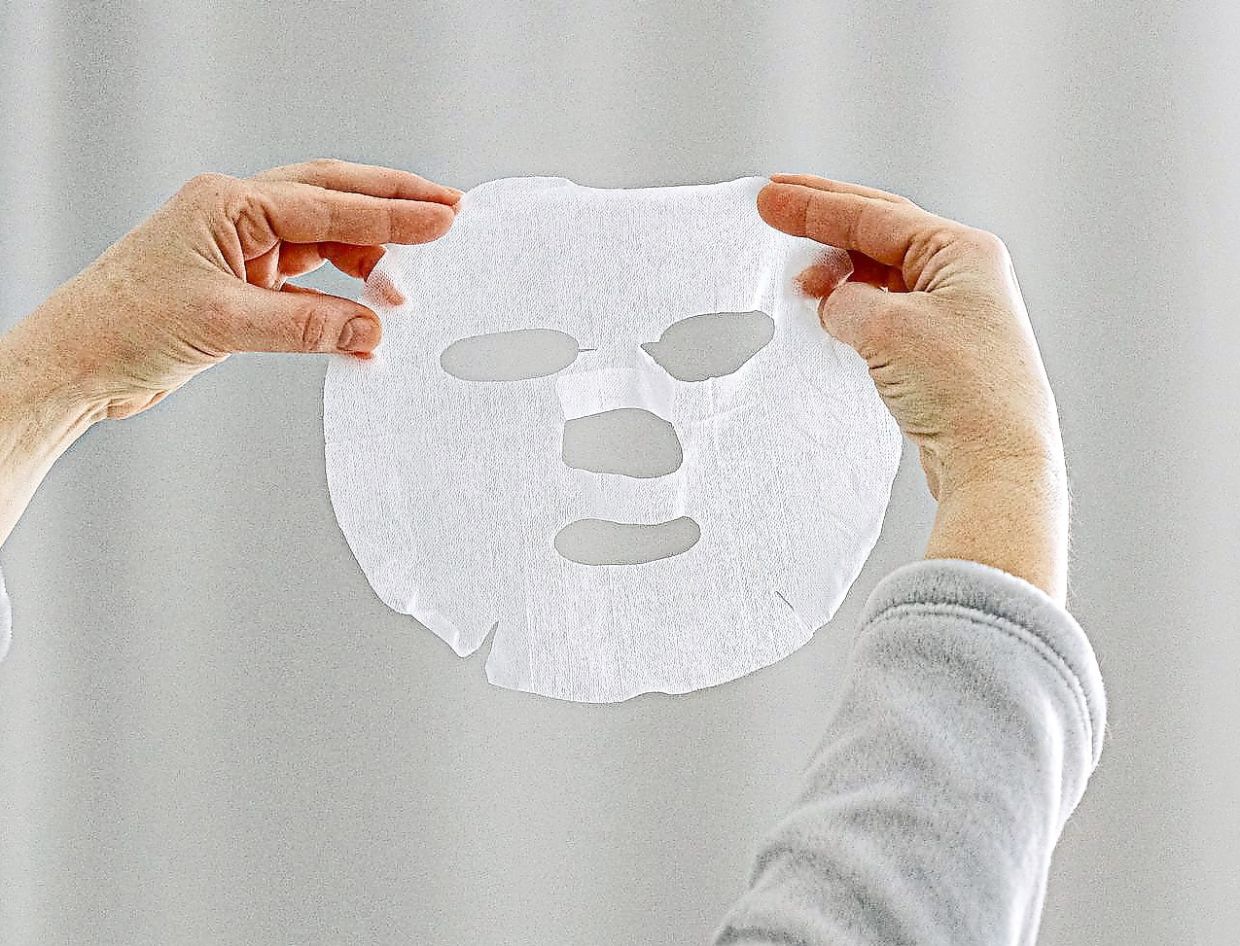
The notion of elaborate multi-step skincare routines performed on aircraft, popularised through social media platforms, warrants critical examination. Whilst facemasks and complex layering regimens may appear visually impressive on Instagram and TikTok, dermatologists caution against overcomplication, particularly given the sanitary limitations of aeroplane lavatories and the risk of product overload triggering sensitivity. Instead, dermatologists advocate for streamlined, purposeful routines that prioritise efficacy over complexity. A micellar water applied to a toner pad for gentle cleansing, followed by a hydrating serum and a nourishing moisturiser, accomplishes far more than elaborate multi-step protocols whilst minimising the risk of irritation or congestion.
Humectants – ingredients specifically designed to attract and retain water molecules within the skin – form the cornerstone of effective in-flight skincare strategy. Hyaluronic acid and glycerin represent the most accessible and well-researched humectants, working synergistically to draw moisture from the cabin air and underlying skin layers into the epidermis. Panthenol, another valuable humectant, delivers sustained moisturising benefits, whilst newer ingredients such as ectoin offer barrier-reinforcing properties alongside anti-inflammatory effects. The application of these ingredients requires a two-stage approach: first, applying hydrating serums containing humectants to draw moisture into the skin, then sealing this hydration with a rich moisturiser that prevents transepidermal water loss despite the cabin's desiccating conditions. Without this sealing layer, humectants alone prove insufficient, as the moisture they attract simply evaporates in the low-humidity environment.
Sunscreen protection during flights represents an often-overlooked component of comprehensive in-flight skincare. Passengers on daytime flights receive meaningful ultraviolet exposure, particularly through aircraft windows where UV rays penetrate more readily than many realise. Dermatologists recommend either applying a broad-spectrum SPF during flight and reapplying every four to five hours, or alternatively ensuring sunscreen application immediately upon disembarking before proceeding to outdoor destinations. This precaution proves particularly relevant for Malaysian travellers heading to sun-intensive holiday destinations, where the cumulative effects of flight-related dehydration combined with unprotected UV exposure can cause significant photodamage and accelerated skin ageing.
Beyond topical interventions, systemic hydration substantially influences skin condition during flight. Aeroplane cabins actively dehydrate the entire body, not merely the skin's surface, making water consumption critically important. Dermatologists unanimously recommend drinking water consistently throughout the flight, whilst avoiding alcohol and salty foods that exacerbate systemic dehydration. This internal hydration support works in conjunction with topical moisturising products to maintain skin plumpness and resilience. The combination of adequate water intake and strategic skincare creates a comprehensive hydration approach that addresses both internal and external factors contributing to flight-induced dryness.
Makeup application during flights warrants careful reconsideration, particularly for extended journeys. Whilst light makeup causes minimal harm, accumulating layers of cosmetic products on already-stressed skin can trigger congestion, interfere with moisture absorption, and compromise the skin barrier further. More problematically, makeup wipes – commonly used by travellers to refresh their appearance mid-flight – actually accelerate transepidermal water loss through mechanical disruption of the skin's surface, defeating the purpose of in-flight skincare efforts. Dermatologists strongly discourage relying on makeup wipes during flights, instead recommending micellar water applied to cotton pads as a gentler, less drying cleansing option.
Post-flight skincare proves equally important as pre-flight and in-flight routines. Upon arrival, continuing an intensive hydration regimen for 24 to 48 hours helps restore skin barrier function and replenish depleted moisture reserves. This continuation period allows the skin to recover from flight-induced stress whilst adapting to the new environment's humidity levels. For tropical-destination travellers, this recovery phase occurs concurrently with increased UV exposure, making the delayed application of comprehensive sunscreen protection particularly critical. The cumulative effects of flight dehydration can leave skin vulnerable to both immediate photodamage and sustained inflammatory responses for several days after arrival.
For Malaysian professionals and leisure travellers frequently boarding regional or international flights, implementing these dermatologist-recommended strategies transforms the post-flight skin experience substantially. Rather than accepting visible dehydration, congestion, and dullness as inevitable flight consequences, travellers can maintain skin vitality through deliberate, evidence-based interventions. The financial investment in quality hydrating serums and moisturisers proves minimal compared to the aesthetic and comfort benefits, particularly for those embarking on crucial business travel or special occasions requiring optimal skin appearance. By prioritising hydration, eliminating irritating ingredients, maintaining systemic hydration through water consumption, and protecting against ultraviolet exposure, travellers can arrive at their destinations with skin that remains radiant, comfortable, and resilient rather than stressed and compromised.

