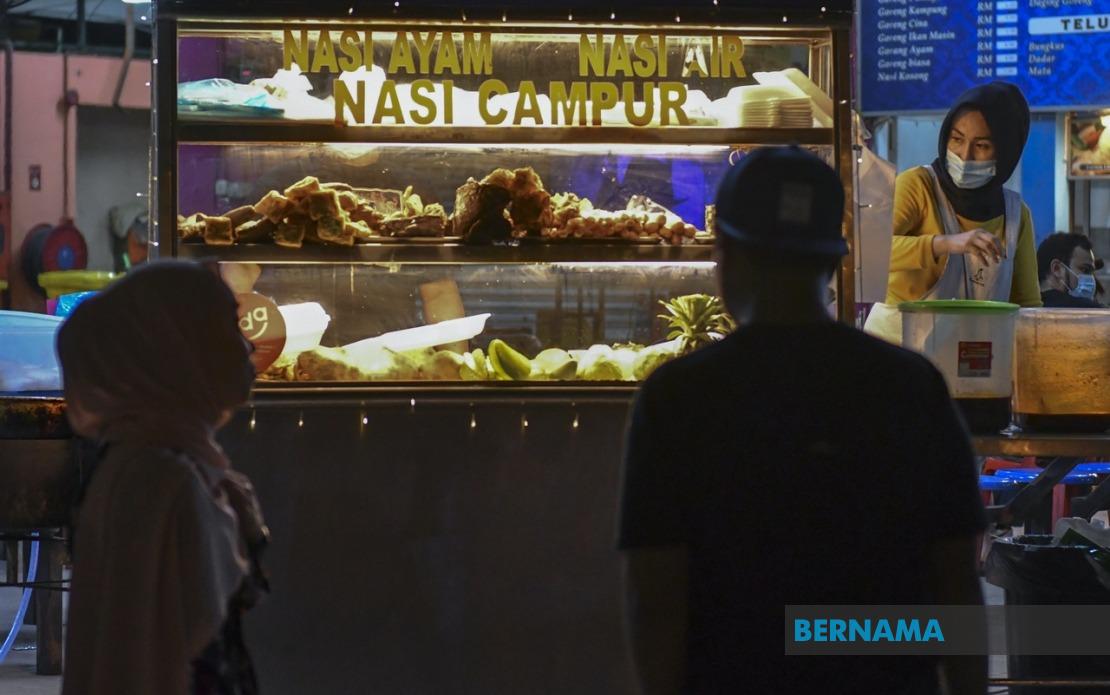
Kelantan's authorities have pledged to strengthen oversight of food service businesses across the state in response to mounting public concern about whether certain establishments maintain proper halal standards. The commitment comes after allegations surfaced on social media questioning the halal status of several food premises, some operated by non-Muslim proprietors but serving predominantly Muslim clientele. The situation has sparked significant community discussion and prompted the state government to take immediate action on the matter.
Mohd Asri Mat Daud, who chairs the Kelantan state committee responsible for Islamic development, religious outreach, information management, and regional coordination, outlined the government's response during remarks made following an official halal certification ceremony in Kota Bharu on July 15. He indicated that while the state has not yet received formal complaints through official channels, authorities are conducting preliminary fact-finding to understand the allegations more comprehensively before determining what steps to take next. This measured approach reflects the government's recognition of both the seriousness of the allegations and the need for verified information before proceeding with enforcement action.
The actual responsibility for monitoring halal compliance rests with the Kelantan Islamic Religious Affairs Department, and Mohd Asri emphasised that his office will work cooperatively with that agency to coordinate and support investigative efforts. This institutional cooperation is crucial given that halal certification and compliance involves both religious principles and practical operational standards that require specialist expertise. By clarifying the division of labour between his committee and the religious affairs department, Mohd Asri signalled that the state has established clear accountability structures for addressing these concerns rather than allowing them to remain as isolated complaints.
The threat of increased monitoring represents a significant shift in enforcement posture, with authorities signalling their willingness to conduct more frequent and intensive inspections should evidence warrant such action. Mohd Asri explicitly stated that the government is unwilling to tolerate any situation where questionable halal practices become normalised or widespread throughout Kelantan. This proactive stance addresses public anxiety about consumer protection and religious compliance, sending a clear message that the state takes these matters seriously and will respond with greater regulatory vigilance if issues persist or multiply.
Crucially, Mohd Asri appealed directly to food business operators to prioritise shariah compliance alongside their commercial objectives. His warning that the pursuit of profit should never come at the expense of religious and ethical standards touches on a fundamental tension in Malaysia's halal industry—balancing legitimate business interests with the non-negotiable requirements of Islamic law and consumer trust. He argued that any lapse in halal standards erodes confidence among Muslim consumers, who represent the core customer base for many establishments and whose continued patronage depends on assured compliance with their religious requirements.
The government is simultaneously pursuing a constructive approach by encouraging all food operators to apply for Malaysia's official Halal Certification. By promoting formalised certification rather than relying solely on enforcement and penalties, authorities are creating an incentive-based system where compliance becomes easier and more transparent for businesses. The state's commitment to processing certification applications within 30 days, contingent on operational readiness and meeting prescribed guidelines, removes practical barriers that might otherwise discourage smaller operators from seeking proper certification.
The original incident that triggered this official response centred on a Facebook disclosure identifying several food premises with halal certification questions, particularly those owned by non-Muslim operators serving Muslim customers. Such disclosures, while raising legitimate concerns about transparency and compliance, also raise complex questions about who bears responsibility for verifying halal status and how consumers should evaluate competing claims. In Malaysia's increasingly diverse food service landscape, where restaurants and food outlets operate across different religious and cultural communities, clear certification processes become essential for consumer confidence and public health.
For Malaysian readers, this situation illustrates broader tensions within the country's halal industry. Malaysia positions itself as a global halal hub, with the Malaysia Halal Certification serving as a trusted mark for domestic and international consumers. However, the Kelantan incident reveals gaps between formal certification systems and market reality, where establishments without proper credentials may still operate and attract customers. This disconnect suggests that relying solely on formal certification—while necessary—remains insufficient without complementary public awareness and consumer vigilance.
The episode also highlights regional variation in halal governance across Malaysian states. Kelantan, with a strong Islamic orientation and significant Muslim majority population, faces particular expectations regarding religious compliance in commercial operations. The state's response demonstrates how local religious authorities interpret their mandate to protect community interests, though questions remain about whether increased inspection alone addresses underlying issues around transparency and consumer information. Neighbouring states may observe Kelantan's approach and potentially implement similar measures if comparable concerns emerge in their jurisdictions.
For food business operators across Kelantan and beyond, the clear takeaway is that halal compliance is no longer a peripheral concern that can be managed informally. Mohd Asri's remarks signal that the state views certification and compliance as essential components of legitimate food service operations. This shift has implications for operational costs and complexity, particularly for smaller businesses, though the government's streamlined certification process is designed to mitigate such burdens. Operators must now weigh the administrative effort required for proper certification against the reputational and commercial risks of remaining unverified.
The incident also invites reflection on consumer responsibility within Malaysia's food ecosystem. While regulatory agencies and operators bear obvious responsibilities, individual Muslim consumers make daily choices about where to purchase food based on available information. The Kelantan case underscores how social media can mobilise public attention around compliance gaps, for better or worse. Moving forward, consumers who prioritise halal compliance have strong incentives to verify certification status through official channels rather than relying on informal knowledge or social media claims, reducing the prevalence of misinformation while encouraging operators to obtain proper credentials.

