Kelantan has unveiled a coordinated framework designed to help young athletes balance academic pursuits with their sporting ambitions, marking a shift towards viewing athletic development as intertwined with educational achievement. The Kelantan Sports Council is collaborating with Yayasan Kelantan Darulnaim (YAKIN) to facilitate both education loans and scholarship opportunities for aspiring athletes planning to enrol at public universities, creating a pathway that acknowledges the reality that sporting careers require intellectual depth and qualifications for long-term stability.
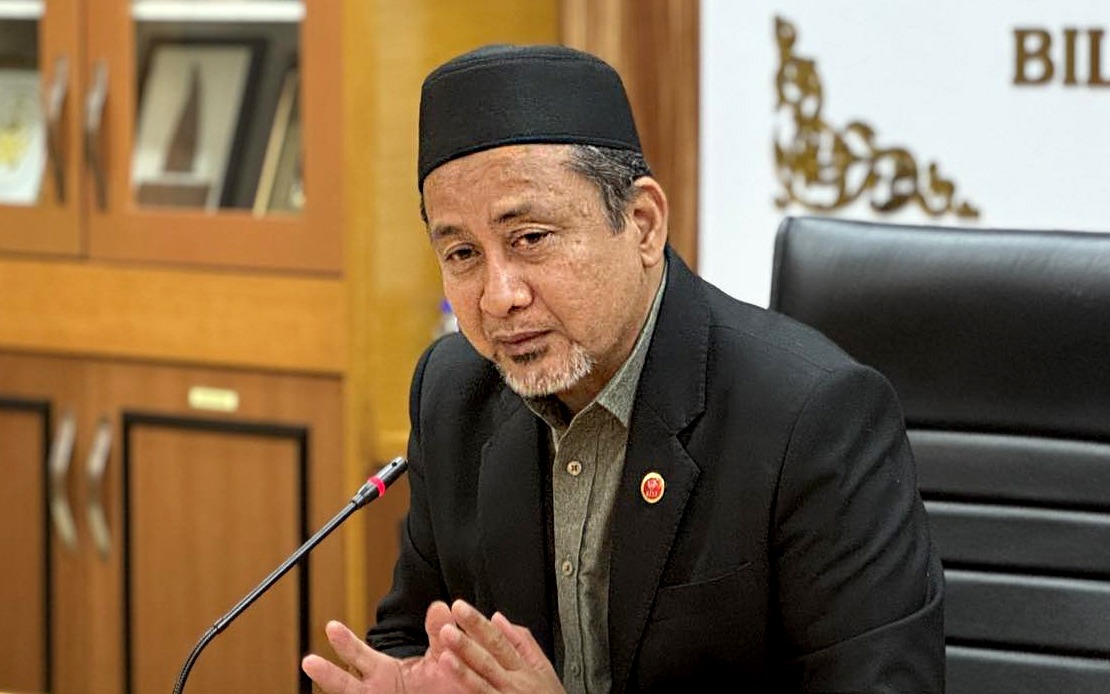
Zamakhshari Muhamad, the state's Youth, Sports, NGOs and Community Unity Committee chairman, framed the initiative as a strategic recognition that athletic potential alone cannot sustain meaningful lives beyond competition. He emphasised that the state government recognises education as equally central to athlete development, positioning study at tertiary institutions as an essential complement rather than a distraction from sports training. This holistic approach reflects growing understanding in Southeast Asia that programmes supporting elite or promising athletes must address their post-career prospects and personal growth.
The initiative extends beyond university access, incorporating targeted incentives for academic excellence at secondary level. Athletes demonstrating outstanding performance in the Sijil Pelajaran Malaysia (SPM) and Sijil Tinggi Persekolahan Malaysia (STPM) examinations will receive dedicated academic excellence rewards, signalling that intellectual achievement receives recognition equivalent to sporting success. This dual-track recognition system aims to cultivate disciplined, high-performing individuals who understand that excellence requires sustained effort across multiple domains.
Within the broader Special Programme framework, the Kelantan Sports Council provides athletes with multifaceted support addressing both immediate training needs and longer-term welfare. Monthly allowances flow to participants in the Imtiyaz programme, ensuring financial stability that permits athletes to focus on preparation without economic desperation. Beyond stipends, the council funds participation in both domestic and international competitive events, recognising that exposure to diverse competition levels accelerates athlete development while building international connections and experience.
The support infrastructure extends to direct provision of sports equipment and nutritional supplements, inputs that directly impact training quality and performance gains. These tangible resources acknowledge that talented athletes from less affluent backgrounds often face barriers to accessing premium equipment and specialist nutrition advice available to wealthier competitors. By centralising these provisions, the programme aims to level competitive conditions and ensure potential talent is not lost to resource constraints.
Recognising that athletes operate within broader life contexts vulnerable to disruption, the initiative incorporates welfare provisions addressing extraordinary circumstances. Support extends to natural disaster situations, personal accidents, marriage-related expenses, and bereavement matters, indicating sophisticated understanding that athlete performance and wellbeing collapse when personal crises remain unaddressed. This comprehensive social safety net distinguishes the Kelantan approach from purely performance-focused programmes elsewhere in the region.
The programme's architecture relies on partnerships extending beyond the Sports Council to encompass the National Sports Council, state education departments, youth and sports ministries, and both public and private higher education institutions. This multi-stakeholder approach distributes responsibility and resources, enabling coordination between athletes' academic institutions and their sports development bodies. Such integration proves crucial for athletes managing dual demands, as it permits academic advisors and sports coaches to align expectations and ensure timetables accommodate both pursuits.
Zamakhshari articulated an ambitious vision positioning the combined initiatives as catalysts for comprehensive excellence among Kelantan athletes. The intention explicitly extends beyond sporting medals to encompass personal development, suggesting a matured understanding that sustainable athlete development produces well-rounded individuals with resilience, discipline, and problem-solving capabilities transferable across careers and life domains. This framing challenges narrower models that concentrate exclusively on short-term competitive outcomes.
For Malaysian youth in Kelantan, the initiative opens concrete pathways to university education previously constrained by financial barriers or assumptions that athletic commitment must preclude academic pursuit. The availability of education loans through YAKIN reduces reliance on family resources, broadening access to higher education among talented athletes from modest economic backgrounds. This democratisation of opportunity carries implications for social mobility within the state, as education credentials increasingly determine career opportunities across Malaysia's modern economy.
The programme also signals state-level investment in developing human capital through sports, recognising that disciplined athletes accustomed to structured training regimens often transition successfully to demanding professional careers. By nurturing this cohort through university completion, Kelantan positions itself to retain educated, skilled workers capable of contributing to knowledge-based sectors beyond athletic competition. This strategic dimension reflects sophisticated policy thinking connecting sports development to broader economic development objectives.
Comparing Kelantan's approach to athlete support systems across Southeast Asia reveals both convergence and distinctive elements. While regional governments increasingly acknowledge education's importance for athletes, integrating loans, scholarships, equipment provision, and social welfare within a coordinated framework remains less common than purely financial or competitive support models. The scale and integration demonstrated here potentially position Kelantan as a model for other Malaysian states considering athlete welfare policy reforms.
The success of this initiative ultimately depends on sustained implementation and genuine coordination among partner organisations, requiring ongoing communication between education and sports administrators. Athletes themselves must navigate the challenge of balancing intensive training schedules with university coursework, a demand that claims real psychological and physical toll. The framework's comprehensiveness suggests planners recognise these challenges, though practical execution will determine whether good intentions translate into meaningful support enabling athletes to achieve genuine dual excellence in sports and education.

