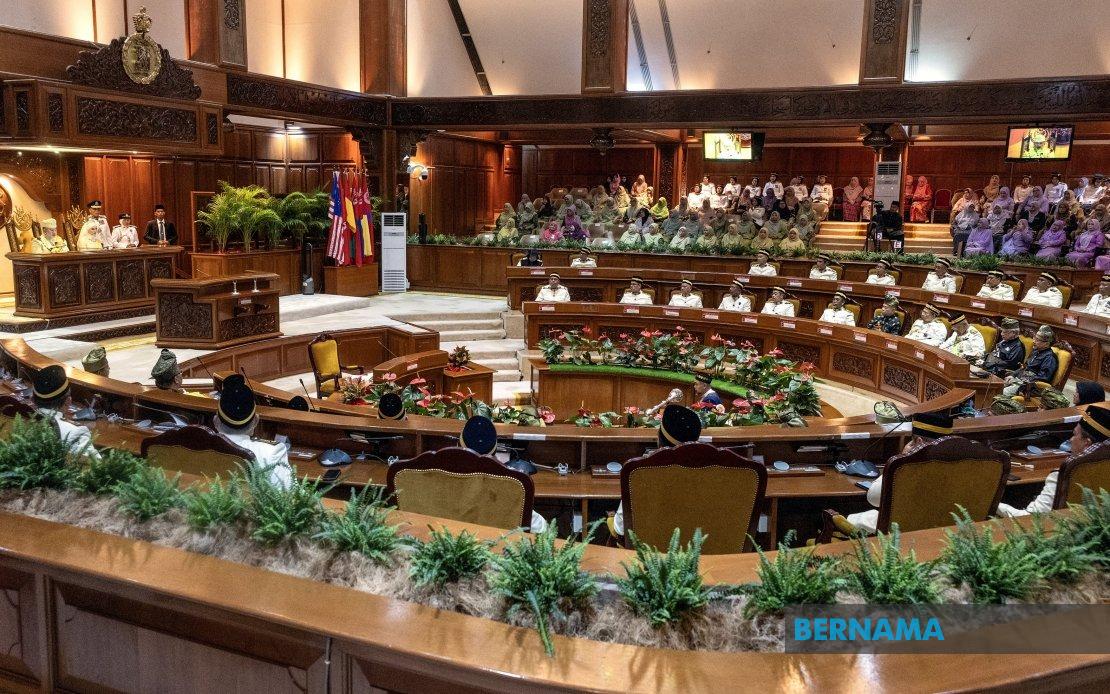
The Kelantan state government will introduce the Syariah Offences (Kelantan) Bill 2026 at the State Legislative Assembly sitting scheduled for next Tuesday, marking a significant step in realigning the state's Islamic legal framework following a landmark constitutional ruling. According to Kelantan Deputy Menteri Besar Datuk Dr Mohamed Fadzli Hassan, the new Bill is designed to supplant the Kelantan Syariah Criminal Code (I) Enactment 2019, which faced substantial constitutional challenges that fundamentally reshaped how state and federal authorities exercise power over religious criminal matters.
The impetus for this legislative overhaul stems directly from a watershed Federal Court judgment delivered on February 9, 2024, in a case initiated by constitutional lawyer Nik Elin Zurina Nik Abdul Rashid and another petitioner. In an 8-1 majority decision of historic significance, the court declared 16 of 18 challenged provisions of the 2019 enactment to be null and void, concluding that the Kelantan State Legislative Assembly had overreached its constitutional mandate by legislating on matters that fall squarely within federal parliamentary jurisdiction. This ruling reverberated across Malaysia's constitutional landscape, prompting urgent reassessment of how Islamic criminal law should be structured within the federation's division of powers.
The constitutional principle underpinning the Federal Court's decision centred on the distribution of legislative authority between state and federal levels. The court determined that certain offences—particularly those touching on Islamic practice and observance—had already been allocated to Parliament's exclusive domain, rendering any parallel state legislation invalid regardless of religious intent. For Kelantan, this necessitated a comprehensive redrafting effort that respects the constitutional boundaries while preserving the state's capacity to legislate on matters genuinely within its purview under the doctrine of "pith and substance."
Dr Mohamed Fadzli emphasised that intensive preparatory work has proceeded since mid-2024, involving a specially constituted Committee for the Amendment of the Kelantan Syariah Criminal Code (I) Enactment 2019. This interdisciplinary body drew upon expertise spanning civil law, Syariah jurisprudence, academia, constitutional scholarship, and the judicial experience of Syariah court officers. Such breadth of consultation reflects the complexity of the task: drafting legislation that maintains Islamic governance while scrupulously respecting federal-state constitutional boundaries. The committee also engaged the Kelantan Council of Ulama through the Kelantan Islamic Religious and Malay Customs Council (MAIK) to ensure religious scholarly input throughout the revision process.
The proposed Bill comprises nine distinct parts, encompasses 62 clauses, and includes one schedule, representing a comprehensively restructured approach to Syariah criminal offences in the state. Rather than simply excising invalidated provisions, the drafters have taken the opportunity to introduce reformative measures that modernise certain aspects of Islamic criminal jurisprudence while maintaining doctrinal fidelity. The underlying approach explicitly anchors itself in constitutional principle, emphasising religious obligations whilst integrating provisions addressing contemporary circumstances and procedural improvements that enhance the operation of Syariah law within its legitimate constitutional domain.
For Malaysian observers, this legislative initiative carries significance beyond Kelantan's borders. The February 2024 Federal Court decision sparked nationwide debate regarding how Malaysian federalism accommodates religious law and governance. States with substantial Muslim-majority populations have sought to strengthen Islamic criminal jurisdiction, yet the ruling imposed firm constitutional constraints on such ambitions. Kelantan's response—methodical, legally rigorous, and collaborative across disciplines—provides a template for how other states might address similar constitutional tensions. The outcome could influence emerging patterns across Malaysia concerning the appropriate relationship between state-level Islamic governance and federal constitutional structure.
The fact that the Bill will be tabled and debated at next Tuesday's assembly sitting suggests the government expects relatively expeditious passage. Deputy Menteri Besar Dr Mohamed Fadzli's explicit appeal for assemblymen's support indicates the administration views this as a matter of genuine importance rather than routine legislative housekeeping. In the Kelantan political context, where Islamic governance commands broad consensus among elected representatives, the Bill likely anticipates comfortable majorities. However, the process undertaken—extensive consultation, constitutional sensitivity, and incorporation of expert opinion—distinguishes this approach from simpler legislative expedients.
The timing of this initiative also merits consideration. Approximately eighteen months have elapsed since the Federal Court ruling, providing adequate opportunity for comprehensive legal analysis and drafting refinement. By proceeding now with a carefully constructed Bill rather than rushing through hasty amendments, Kelantan demonstrates commitment to constitutional compliance whilst maintaining substantive Islamic legislative capacity. This deliberate approach minimises risks of renewed constitutional challenge and establishes precedent for principled constitutional governance within the Islamic regulatory domain.
Regional implications deserve attention as well. Kelantan's experience with constitutional limitation of state religious legislative powers will inevitably influence policy discussions in Brunei, southern Thailand, and among Muslim-majority jurisdictions throughout Southeast Asia grappling with comparable federalism questions. Malaysia's approach to balancing religious autonomy with constitutional centralism offers instructive lessons about institutional design and the practical accommodation of plural legal systems within federal frameworks. The Bill's success in addressing these tensions could inform broader regional conversations about Islamic governance and constitutional federalism.
Looking forward, the successful passage and implementation of the Syariah Offences (Kelantan) Bill 2026 will require continued vigilance regarding constitutional compliance. The drafting committee's explicit incorporation of the Federal Court's grounds of judgment should minimise vulnerabilities to future challenge, but sustained legal scrutiny remains inevitable. The Bill represents not merely technical legislative correction but rather a recalibration of Kelantan's Islamic governance architecture within constitutionally permissible boundaries—a significant undertaking that reflects both the importance of religious law and the supremacy of constitutional structure in Malaysia's legal order.

