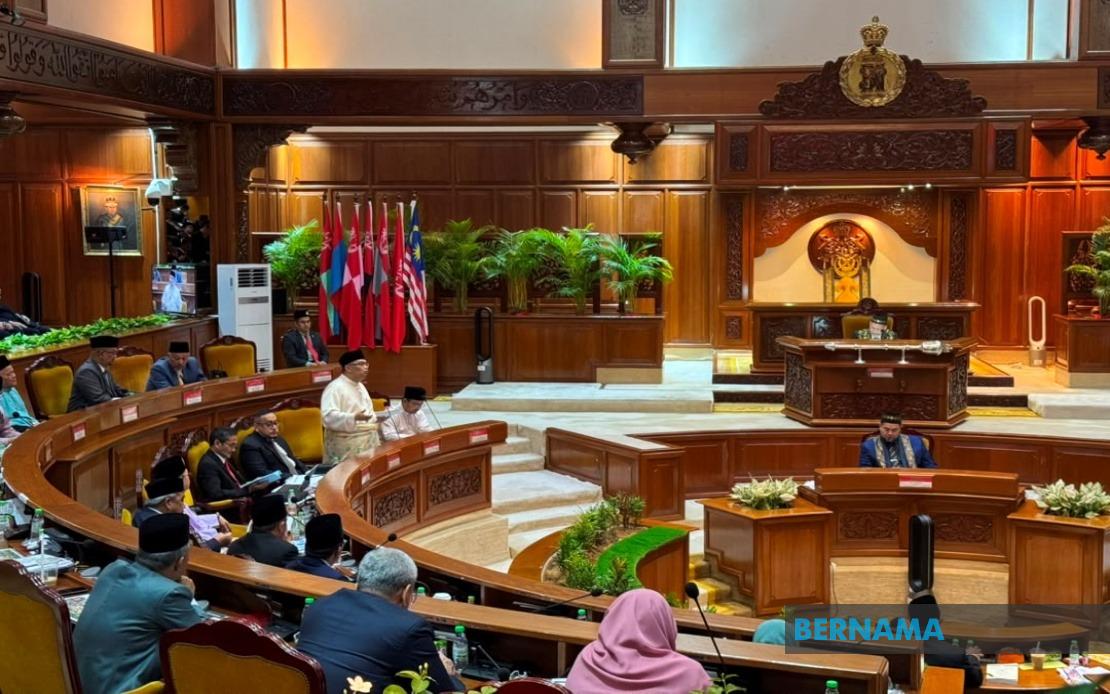
Kelantan has taken a significant step in modernising its Islamic criminal justice framework with the unanimous passage of the Syariah Criminal Offences (Kelantan) Bill 2026 through the state legislative assembly. The comprehensive legislation introduces three pivotal reform pillars designed to reshape how religious offences are prosecuted and adjudicated across the state, reflecting an evolving approach to syariah enforcement that balances deterrence with rehabilitation and judicial flexibility.
The centrepiece of the Bill's reform agenda is the introduction of restorative sentencing mechanisms, which represent a conceptual shift away from purely punitive models. Under this framework, offenders assigned community service obligations must complete their full duties within a twelve-month window, creating a structured pathway for rehabilitation that potentially reduces incarceration while channelling individuals back into productive community participation. This approach acknowledges that certain offences benefit from remedial engagement rather than custodial punishment alone, a philosophy increasingly recognised across Islamic jurisprudence systems globally.
Compoundable offences constitute the second major pillar, granting the Sultan of Kelantan authority to designate which violations may be settled through financial compensation or other negotiated arrangements rather than formal prosecution. This mechanism injects discretionary flexibility into the justice system, permitting victims and accused parties to reach mutually acceptable resolutions for lesser infractions. The Sultan's powers extend to determining procedural requirements and documentation formats for compounding arrangements, which will be publicly disclosed through official gazette notices. Such provisions acknowledge that not all religious violations warrant courtroom adjudication, potentially reducing case backlogs while respecting victims' preferences for dispute resolution.
Simultaneously, the legislation introduces significantly heightened punishment schedules for grave offences, with corporal punishment—specifically whipping—becoming the primary enforcement mechanism for serious violations. Attempted apostasy, deliberate neglect of a child's Islamic upbringing, breaches of modesty requirements, alcohol consumption, gambling, fornication, and illegitimate pregnancies all fall within this enhanced penalty category. The elevated sentences signal legislative determination to address conduct deemed fundamentally incompatible with Islamic teachings, particularly those involving apostasy and sexual transgression.
Kelantan Deputy Menteri Besar Datuk Dr Mohamed Fadzli Hassan outlined six novel clauses introduced through the Bill, substantially broadening the scope of prosecutable conduct. The new provisions target abandonment of obligatory prayers, violations concerning private parts protection, and breach of broader bodily modesty standards. Notably, the legislation introduces clauses addressing intellectual preservation—preventing consumption of materials or engagement with activities deemed harmful to mental faculties and Islamic understanding. These expansions reflect contemporary concerns about substance abuse, harmful media consumption, and ideological threats alongside traditional religious observance requirements.
The Bill simultaneously restructures existing provisions through repeal and re-enactment. The previous Kelantan Syariah Criminal Code Enactment 2019 treatment of sanctuary desecration has been replaced with refined provisions specifically addressing disturbances to Muslim places of worship, potentially narrowing or clarifying prosecutorial scope. More substantially, Section 14 of the 2019 legislation concerning sodomy has been abolished entirely, with its substance absorbed into redrafted clauses addressing bodily modesty obligations. This reformulation reframes what was previously a standalone offence category into a broader protective framework around private and bodily integrity, arguably providing prosecutors with wider investigative and prosecutorial latitude.
The consolidated legislation comprises nine structural sections spanning sixty-two individual clauses plus supplementary schedules, representing comprehensive codification of syariah criminal law within Kelantan's jurisdiction. This organisational approach emphasises systematic clarity and authoritative interpretation, objectives that legislators explicitly championed during passage. The restructuring potentially enhances predictability for legal practitioners and clarity for the general public regarding which behaviours constitute prosecutable offences and anticipated consequences.
For Malaysian legal observers, Kelantan's legislative approach merits careful consideration regarding federalism and jurisdictional architecture. While syariah law remains predominantly a state matter under the Federal Constitution, significant variations in offence definitions, penalties, and procedural mechanisms across Malaysian states create complexity for practitioners operating across jurisdictions. Kelantan's Bill represents one state's distinctive approach, but divergent standards across Selangor, Wilayah Persekutuan, Sabah, and Sarawak—each with independent syariah enactments—complicate legal certainty for individuals and businesses navigating Malaysia's multifaceted religious legal landscape.
The emphasis on restorative sentencing and compoundable offences acknowledges practical implementation challenges facing syariah courts. Caseload pressures, prison overcrowding, and societal preferences for non-custodial resolution increasingly favour flexible mechanisms that achieve rehabilitative objectives while managing judicial resources efficiently. The legislation's architecture potentially positions Kelantan as responsive to both Islamic jurisprudential tradition and contemporary criminal justice administration principles, though practical efficacy will depend substantially on implementing agencies' commitment and capacity.
The bill's expansion of prosecutable conduct into intellectual preservation and modesty protection zones raises significant interpretive questions regarding enforcement boundaries and individual liberty. Determining what constitutes impermissible intellectual harm or excessive immodesty requires subjective judgment, potentially creating prosecution disparities and individuals' uncertainty regarding lawful conduct. These definitional challenges will likely occupy courts during initial implementation phases as cases establishing interpretive precedents emerge.
For Southeast Asian legal development more broadly, Kelantan's legislative approach reflects broader patterns within Islamic-majority jurisdictions attempting to strengthen religious law compliance while accommodating modern administrative and rehabilitative considerations. Whether this balance successfully addresses both enforcement effectiveness and individual rights protection remains an empirical question requiring monitoring of implementation outcomes and judicial interpretation during the Bill's operational phase.

