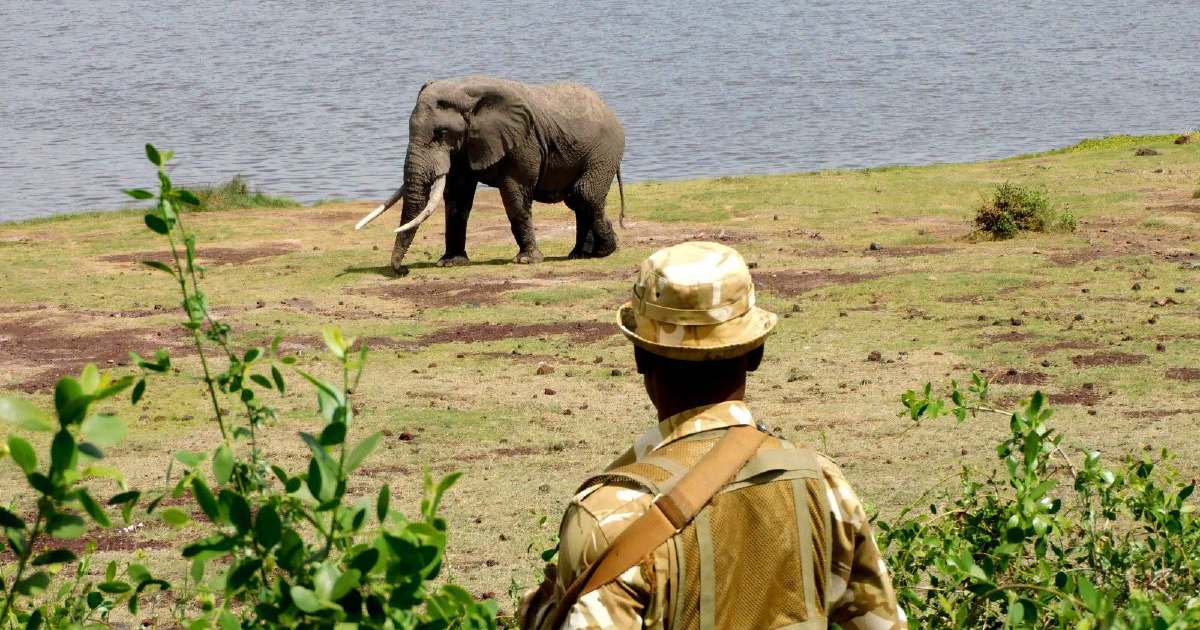
Kenya's wildlife authorities are moving swiftly to determine what caused the rapid and unexplained deaths of 15 elephants at Amboseli National Park, marking a significant alarm for the country's conservation efforts. The Kenyan Wildlife Service confirmed on Tuesday that an investigation has been initiated following the cluster of elephant fatalities that occurred within a compressed timeframe of just one month, underscoring the severity of what could represent a critical threat to one of East Africa's most iconic wildlife populations.
Amboseli National Park, situated in the shadow of Mount Kilimanjaro near the Tanzania border, stands as one of Kenya's most important elephant sanctuaries and a cornerstone of the country's tourism and conservation infrastructure. The reserve has long been celebrated for maintaining a relatively healthy elephant population and serves as a critical habitat for numerous other species that depend on the park's ecosystem. The sudden loss of 15 elephants in such a compressed period raises urgent questions about the underlying causes and whether an immediate external threat has emerged that could jeopardise the broader wildlife community.
The investigation's initiation reflects growing concern among conservation authorities that the deaths may result from factors beyond natural causes such as old age or predation. Potential explanations range from disease outbreaks, including undiagnosed pathogens that could affect multiple animals simultaneously, to environmental contamination or poisoning. In recent years, elephant populations across Africa have faced unprecedented pressure from poaching, habitat degradation, and human-wildlife conflict, making any sudden mortality event a matter of serious scientific and conservation interest.
For Malaysian readers and Southeast Asian observers, this situation carries wider implications for wildlife management across the region. Several Southeast Asian nations, including Thailand, Laos, and Myanmar, maintain populations of Asian elephants that face their own conservation challenges. The investigation in Kenya provides a cautionary case study about how rapidly ecological crises can unfold and the importance of robust monitoring systems that can detect unusual mortality patterns before they spiral into population-level disasters.
Amboseli's significance extends beyond national borders, as the park sits within a transnational ecosystem that includes conservation areas in Tanzania. Elephants migrate across these boundaries seasonally, meaning disease or environmental hazards present in one location could potentially affect animals in adjacent territories. This transnational dimension underscores why the investigation carries importance not only for Kenya but for regional wildlife management more broadly.
The clustering of deaths within a single month is particularly noteworthy because it suggests a common factor affecting multiple individuals rather than isolated incidents. Epidemiologists and veterinary specialists investigating the deaths will likely focus on examining tissue samples, conducting necropsies where possible, and testing for infectious agents or toxins. Water sources within the park, vegetation, and soil samples may also be analysed to identify potential contaminants.
Conservation experts have long flagged that Africa's elephant populations, while having made a modest recovery in some regions after decades of poaching pressure, remain vulnerable to multifaceted threats. Climate variability affecting rainfall and vegetation, combined with increasing human settlement around park boundaries, creates stress on animal populations. The Amboseli situation illustrates how quickly environmental changes or disease events can translate into direct impacts on wildlife health.
The investigation's timeline and methodology will be critical factors in determining how quickly authorities can identify the cause and implement appropriate responses. If a disease is confirmed, quarantine measures might be necessary. If poisoning is identified, source attribution becomes essential for preventing future incidents. Environmental contamination would require addressing upstream factors that may extend beyond the park itself.
Kenya's tourism industry depends significantly on wildlife viewing experiences, making any conservation crisis a matter of economic as well as ecological concern. The loss of 15 elephants, while not catastrophic on a population scale, represents a measurable reduction in the park's most charismatic megafauna at a time when tourism is recovering from pandemic-related disruptions. However, authorities will prioritise determining the cause over managing public relations, as understanding what happened takes precedence in preventing further losses.
The investigation also raises questions about the effectiveness of existing monitoring systems within Amboseli. Modern wildlife management increasingly relies on satellite tracking, camera traps, and regular veterinary patrols to detect problems early. The fact that 15 deaths occurred within a month suggests either a rapid-onset crisis or that detection mechanisms may need enhancement to identify mortality clusters more promptly.
Regional wildlife organisations and international conservation partners are likely monitoring the investigation closely. Kenya's experience at Amboseli could provide valuable lessons for elephant conservation across the African continent and establish protocols that might benefit Southeast Asian elephant populations facing their own conservation pressures. Collaboration between institutions in Africa and Asia on elephant health and disease surveillance represents an underutilised opportunity for strengthening global conservation capacity.
The coming weeks will be crucial as specialists work to determine what transpired at Amboseli and whether intervention measures are required to prevent additional deaths. The investigation represents not merely a response to a conservation incident but an opportunity to strengthen understanding of factors that threaten wild elephant populations in an increasingly complex environmental context.

