A Kenyan High Court judge has found the nation's Health Minister Aden Duale in contempt of court for persisting with the construction of a contentious Ebola quarantine facility backed by the United States, despite explicit judicial orders suspending the project. Judge Patricia Nyaundi delivered the ruling on Monday, determining that Duale had systematically violated court directives issued in late May and early June by continuing to oversee work on the installation. The minister was subsequently ordered to appear before the court on Tuesday for proceedings to determine an appropriate sanction.
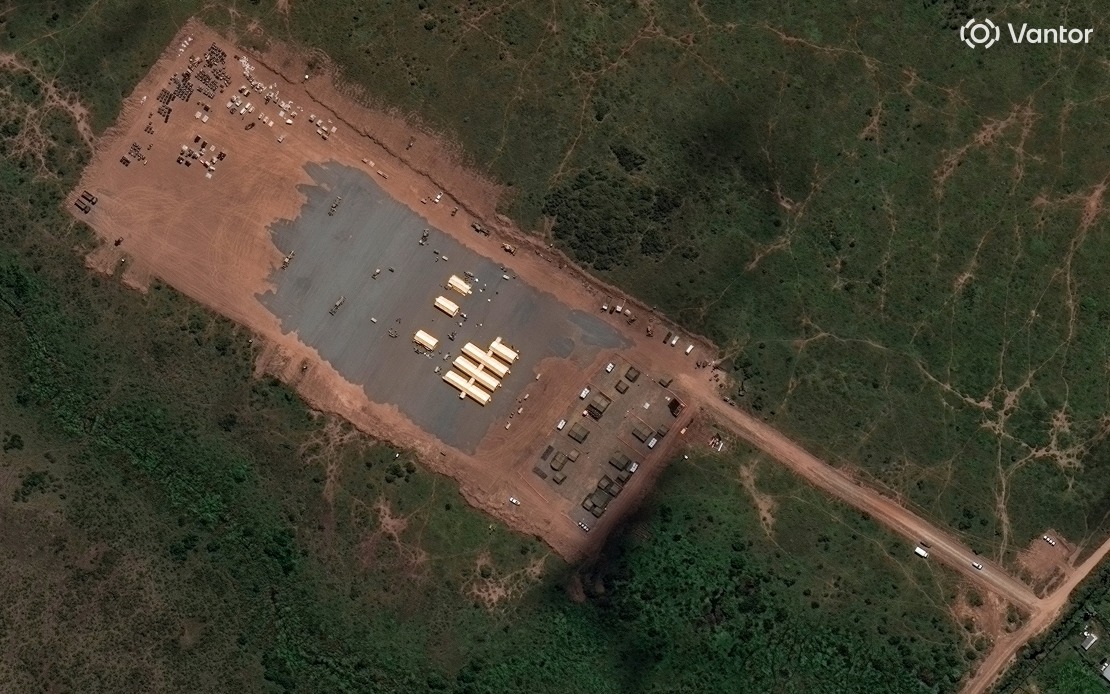
The facility at the centre of the dispute is a planned 50-bed quarantine and isolation centre situated at Laikipia Air Base in Nanyuki, positioned roughly 200 kilometres north of Nairobi. According to government statements, the installation is designed to provide accommodation for American personnel who may have encountered Ebola during regional response operations in areas affected by outbreaks, particularly in the Democratic Republic of the Congo and neighbouring territories. The Kenyan government characterises the project as a component of the nation's broader disease preparedness infrastructure, noting that Kenya's strategic position as a regional transport, diplomatic and commercial nexus elevates its exposure to infectious disease threats.
The initiative has precipitated one of Kenya's most polarising public health disputes, generating sustained legal challenges, street protests and vocal opposition from across the political spectrum, civil society advocates and local administration officials. The constitutional rights organisation Katiba Institute initiated the initial judicial challenge, arguing that the project violated constitutional provisions, posed inadequately assessed public health dangers and proceeded without appropriate transparency mechanisms or meaningful community participation. The High Court's decision to suspend the project reflected these concerns, establishing a judicial pause that the Health Minister's continued construction activity has now transgressed.
The controversy intensified significantly when President William Ruto publicly disclosed that he had authorised the facility in response to a direct request from President Donald Trump, framing the arrangement as an extension of longstanding bilateral health cooperation between the two nations. This revelation transformed the dispute from a domestic policy question into an international relations matter, attracting heightened scrutiny from opposition voices who questioned whether Kenya was being pressured into accepting infrastructure primarily benefiting American interests rather than local populations.
Government defence of the project emphasises Kenya's vulnerability to cross-border disease transmission and the strategic value of advanced quarantine infrastructure in a region where Ebola and other haemorrhagic fevers pose recurring pandemic risks. Officials have stressed that the installation represents prudent investment in regional health security, enhancing the country's capacity to swiftly identify, isolate and manage Ebola cases before they spread into broader populations. The United States Embassy in Nairobi has similarly defended the facility, insisting it poses no epidemiological danger to neighbouring communities and contributes to wider efforts to build Sub-Saharan African disease detection and response capabilities.
Despite these official assurances, communities in Laikipia County have mounted sustained resistance to the project, organising repeated demonstrations that challenge both the government's authority to proceed and accusations that decision-makers have disregarded popular sentiment and judicial instruction alike. Security forces have responded to these protests with force, resulting in the deaths of at least three individuals according to independent police reports, witness accounts and documentation by international human rights monitors. The fatalities have further inflamed tensions, transforming the facility dispute into a broader symbol of contested sovereignty and anxieties about foreign military-connected installations on Kenyan soil.
The legal proceedings represent a significant test of judicial authority in Kenya, determining whether courts can enforce their own orders against the executive branch and whether ministerial actors face genuine consequences for non-compliance with judicial directives. Judge Nyaundi's contempt finding explicitly noted that Duale's commissioning of ongoing construction work at Laikipia Air Base violated the court's May 28 and June 2 orders, establishing a clear factual basis for sanctions. The forthcoming sentencing hearing will determine whether the court possesses the political capacity to impose meaningful penalties on a sitting cabinet minister or whether the contempt ruling will ultimately prove symbolic.
For Malaysian and Southeast Asian observers, the Kenyan case illustrates recurring tensions between national biosecurity requirements and public anxiety regarding foreign military or state-linked installations. Many regional governments balance genuine infectious disease threats with populations suspicious of international partnerships perceived as compromising sovereignty or benefiting external powers disproportionately. The Kenyan situation demonstrates how medical infrastructure projects, particularly those involving American participation, can become flashpoints for broader nationalist sentiment and judicial-executive conflicts within emerging democracies navigating complex geopolitical pressures.
The dispute also highlights the vulnerability of African nations seeking to strengthen health infrastructure while managing fiscal constraints, potentially accepting external funding and technical support that comes bundled with political complications. Kenya's experience suggests that governments pursuing regional health security upgrades must navigate competing imperatives: demonstrating responsiveness to demonstrable disease threats whilst respecting judicial processes and maintaining legitimacy with populations harbouring legitimate questions about transparency and national interest alignment. The contempt finding against Duale may establish important precedent regarding ministerial accountability, though broader resolution of the facility question remains uncertain pending the coming week's court proceedings.