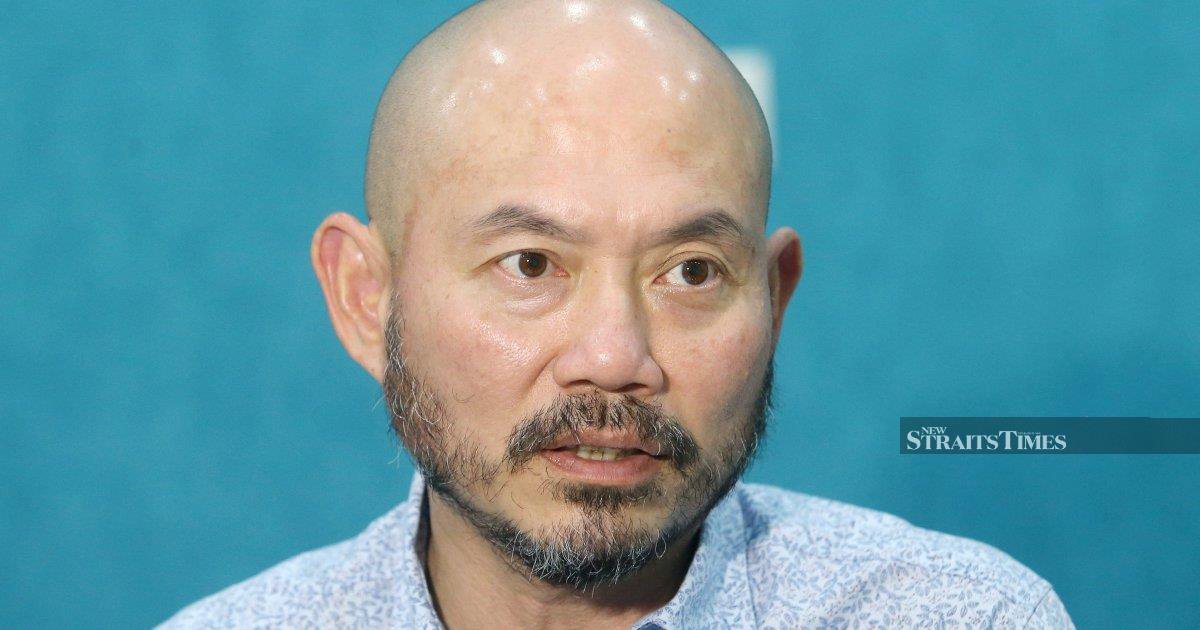
The Kepong constituency's federal representative, Lim Lip Eng, is taking an active role in pursuing justice following a disturbing violent incident in his parliamentary area. He has pledged RM5,000 as a financial incentive for members of the public who come forward with credible information that helps authorities locate and apprehend the individual accused of carrying out a brutal attack involving fuel and fire against a woman.
The incident occurred on the morning of the reported date within the Kepong administrative boundaries of Kuala Lumpur, marking another concerning example of violent crime in the urban area. The alleged perpetrator is believed to have deliberately doused the female victim with combustible fuel before deliberately igniting it, causing severe injuries. Such incidents of premeditated violence spark urgent calls for swift action from law enforcement and heightened community vigilance across residential neighbourhoods.
MPs offering financial rewards for information is a tangible manifestation of political accountability and community engagement when constituents face genuine threats to their personal safety. By putting his own resources toward accelerating the investigation, Lim Lip Eng signals to residents that their security concerns are being taken seriously at the parliamentary level. This approach bridges the gap between local communities and law enforcement agencies, encouraging witnesses who might otherwise hesitate to come forward to actively participate in the justice process.
The nature of this particular assault—targeting an individual with flammable substance and ignition—represents an escalation in violent crime methodology. Such attacks carry extremely high risks of permanent disfigurement, disability, and death, yet remain uncommon enough that they shock public consciousness when they occur. The deliberate choice of fuel as a weapon suggests either premeditation, availability of materials in proximity to the incident location, or prior knowledge on the perpetrator's part.
From an investigative standpoint, police units will be examining multiple angles including whether this attack was personally motivated, part of a dispute, or randomly perpetrated against an unknown victim. Witness testimonies become crucial in establishing a timeline, identifying distinguishing characteristics of the suspect, and potentially pinpointing the direction of flight or vehicle used for escape. Financial incentives like the RM5,000 bounty increase the likelihood that neighbours, colleagues, or passersby who observed suspicious behaviour will contact authorities rather than staying silent from fear or inconvenience.
The Kepong district, which encompasses parts of central Kuala Lumpur, is a densely populated area with a significant residential population. Safety concerns in such urban corridors have gained prominence in recent public discourse, with residents increasingly expecting both preventive policing strategies and rapid response mechanisms when incidents occur. Parliamentary representatives must balance constituent demands for security with realistic resource allocation and police operational independence.
For similar cases across Malaysia, the pattern of crowdsourcing investigation assistance through reward systems reflects evolving approaches to law enforcement in the digital age. Social media amplification combined with financial incentives can rapidly circulate suspect information across wide networks, though authorities must also guard against misinformation or malicious false reports that waste investigative resources and potentially harm innocent individuals mistakenly identified.
The victim's condition and prognosis remain critical factors in determining the severity of charges authorities may pursue. Burns resulting from fuel-related attacks often require extensive medical intervention, cosmetic reconstruction surgery, and prolonged rehabilitation. Beyond the immediate physical trauma, survivors of such violence frequently experience significant psychological impacts including post-traumatic stress disorder, requiring comprehensive victim support services that extend beyond criminal justice proceedings.
Lim Lip Eng's initiative also underscores the role individual MPs can play in their constituencies beyond legislative functions. When constituents experience violent crime, the parliamentary representative's visible engagement and willingness to deploy personal resources can restore confidence in local governance structures and demonstrate that elected officials maintain accountability to the communities they serve. This particular gesture, though modest in financial terms, carries symbolic weight in signalling that no incident within Kepong goes unnoticed at the constituency level.
As the investigation progresses, authorities will likely appeal for additional witnesses or closed-circuit television footage from nearby commercial establishments, residential buildings, or traffic monitoring systems. The reward offer may prompt individuals with reluctance to engage with police directly to instead approach the MP's office, creating alternative reporting channels that some community members may find less intimidating. Effective resolution of this case will require sustained public cooperation alongside professional detective work and forensic analysis of evidence collected at the incident scene.

