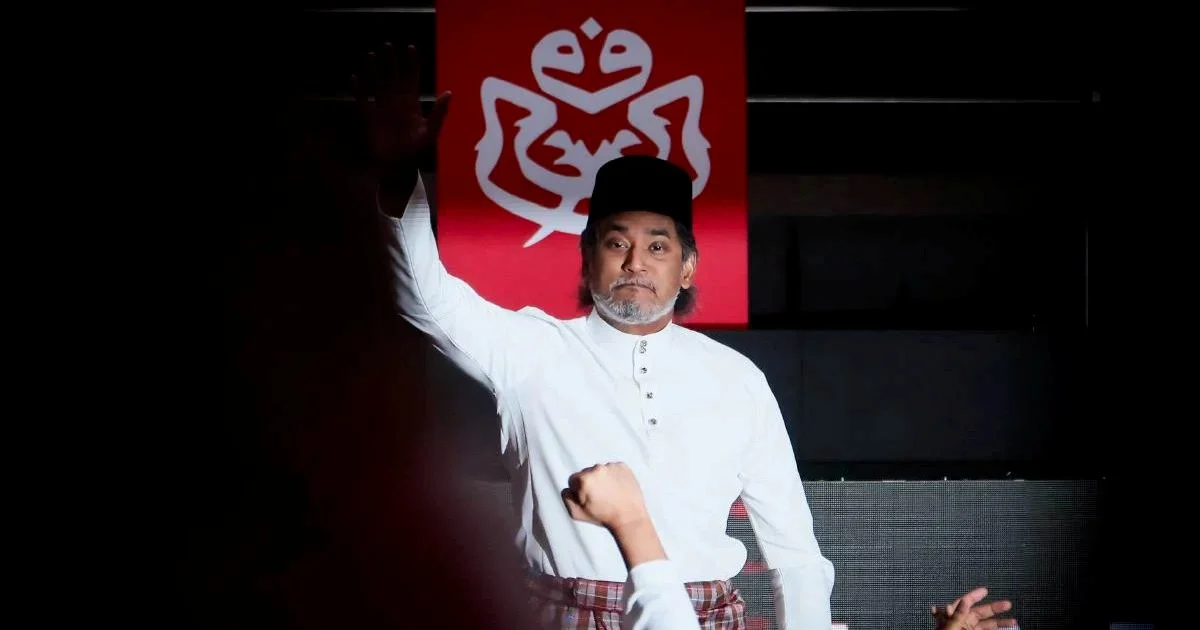
Khairy Jamaluddin, the former member of parliament for Rembau, has stepped back from making an unilateral decision about his candidacy in the upcoming Negri Sembilan state election scheduled for August 1, instead placing the matter squarely in the hands of Umno's party hierarchy. The move represents a calculated approach by the prominent political figure to navigate internal party dynamics while maintaining flexibility in his political future.
The deferment reflects broader internal negotiations within Umno regarding candidate selection for the state-level contest. Rather than publicly committing to a particular course of action, Khairy's decision to let the party leadership determine his electoral path suggests awareness of competing interests within the organisation and potentially contested seat distributions among various party factions and coalition partners.
For Malaysian political observers, this development carries significance beyond immediate candidacy matters. Khairy has maintained a prominent position within Umno's intellectual and organisational structures, yet his parliamentary career was marked by shifts in fortune. His tenure as Rembau's representative ended without him securing a return to federal parliament in recent electoral cycles, prompting recalibration of his political strategy and focus.
The timing of this decision is noteworthy given Negri Sembilan's recent political volatility. The state has experienced considerable flux in state-level politics, with shifting coalitions and evolving power dynamics affecting traditional power bases. Any parliamentary or state-level candidate selection carries implications for how Umno positions itself in the state's competitive landscape, particularly regarding coalition arrangements with other component parties in the ruling administration.
Khairy's public posture of deferring to party leadership also communicates respect for organisational hierarchy—a message that carries weight in Umno's culture, where senior members traditionally exercise significant influence over candidate selection. This rhetorical positioning may serve to reinforce his standing among party elders while avoiding the appearance of self-promotion or independent ambition that could invite internal friction.
The broader context includes Umno's ongoing efforts to strengthen its grassroots presence and electoral machinery across Malaysia's states. State-level elections carry particular importance for party consolidation and determining resource allocation, as successful state performances translate into federal political capital. Negri Sembilan, as a traditionally Umno-inclined state with its own distinctive political dynamics, represents territory where the party seeks to maintain competitive dominance while managing coalition relationships.
Former senior politicians like Khairy, with established name recognition and organisational experience, become valuable assets in electoral contests. However, their deployment must balance multiple considerations including demographic shifts, local sentiment, generational representation, and intra-party equilibrium. The August 1 election date adds temporal constraints to the decision-making process, requiring timely finalisation of candidate lists and campaign preparations.
The decision also reflects evolving patterns in Malaysian political careers, where individuals navigate multiple electoral platforms—federal parliament, state assemblies, local government—based on shifting circumstances and opportunities. Khairy's willingness to consider a Negri Sembilan candidacy, despite his Rembau background, demonstrates the flexibility modern Malaysian politicians maintain regarding geographical constituencies and levels of electoral contestation.
For Negri Sembilan voters and observers tracking state political developments, Khairy's potential candidacy introduces another variable into an already complex electoral calculation. His presence on any ballot would signal particular choices by Umno regarding how to present itself to the electorate and which established figures require continued prominent platforms for their political work.
The deferment of candidacy decisions to party leadership remains standard practice within Umno's structures, yet public acknowledgment of this process by figures like Khairy serves to demonstrate organisational discipline and respect for institutional mechanisms. Such gestures carry symbolic importance for party cohesion, particularly during periods of electoral preparation when unity and coordinated effort prove essential.
As Negri Sembilan's August 1 election approaches, Umno's leadership will weigh various considerations in determining its final candidate roster. Khairy's availability and willingness to accept whatever decision emerges positions him as a flexible resource for party strategists while allowing him to avoid the political risk of publicly committing to a candidacy that party leadership might ultimately reject. This strategic ambiguity reflects sophisticated political positioning within Malaysia's competitive electoral environment.