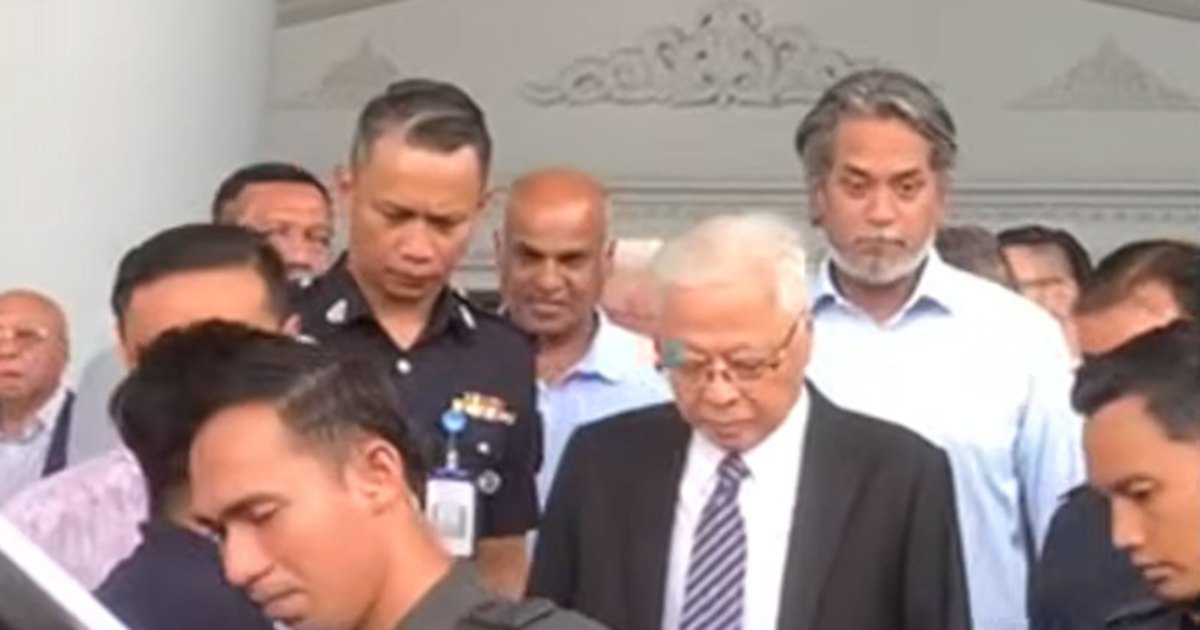
The unexpected courtroom presence of Khairy Jamaluddin, the former Umno Youth leader and current Member of Parliament, at proceedings involving former Prime Minister Ismail Sabri Yaakob has become a focal point for political observers tracking intra-party dynamics within Malaysia's dominant Umno formation. Khairy's decision to attend the charge hearing at the Kuala Lumpur Court Complex underscores the complex web of alliances and personal relationships that continue to define Malaysian political discourse, particularly within Umno's sprawling organizational structure.
The significance of Khairy's attendance extends beyond mere ceremonial support. As a prominent figure who has maintained considerable influence within Umno circles despite stepping down from his youth wing leadership, his presence signals a message of party cohesion to both supporters and critics. The former health minister's choice to publicly associate with Ismail Sabri during this legally sensitive moment reflects a calculated political positioning that demonstrates the continued relevance of personal networks within Malaysia's ruling coalition structures.
Ismail Sabri, who served as the country's Prime Minister from August 2021 to August 2022, has faced mounting legal scrutiny in the years following his departure from the highest executive office. His current legal proceedings represent part of a broader pattern of accountability measures affecting senior figures from successive administrations. The proceedings have drawn substantial media coverage, reflecting public interest in how former leaders navigate the Malaysian judicial system when confronted with formal charges.
The courtroom gathering also illustrates how senior Umno personalities continue to manage their public relationships during periods of legal difficulty. Khairy's attendance provides visible reassurance to Ismail Sabri's supporters that party networks remain intact despite the legal challenges facing the former premier. This calculated show of solidarity carries particular weight given that high-profile courtroom appearances by political allies can influence public perception of both the accused and those demonstrating support.
Within the broader context of Malaysian politics, such displays of party unity often serve multiple strategic purposes. They reinforce internal cohesion messaging to grassroots members, signal stability to potential coalition partners, and demonstrate that legal troubles affecting individual leaders need not destabilize the broader party apparatus. For Umno, which has faced its own institutional challenges and leadership transitions in recent years, maintaining visible solidarity among senior figures remains a priority.
The timing of Khairy's appearance during Ismail Sabri's legal proceedings occurs against a backdrop of ongoing political realignments within Malaysia's complex coalition landscape. Both figures represent different generational and ideological strands within Umno, yet their demonstrated solidarity suggests that factional divisions, while present, do not necessarily translate into public conflict during moments of external pressure. This pragmatic approach to managing intra-party tensions has historically characterized Umno's operational culture.
For political analysts monitoring Malaysian developments, such courtroom appearances carry analytical weight beyond the immediate legal proceedings. They provide windows into the current state of party relationships, suggest where influential figures stand on questions of loyalty and solidarity, and offer clues about potential future political configurations. The presence or absence of such support during high-visibility legal moments often becomes part of the broader narrative surrounding political outcomes and party dynamics.
The attention generated by Khairy's attendance also reflects the intense media scrutiny surrounding legal proceedings affecting prominent political figures in Malaysia. Public interest in how former leaders navigate judicial processes remains substantial, particularly when those leaders occupied the nation's highest offices. The intersection of law and politics continues to fascinate observers seeking to understand the trajectory of Malaysia's democratic and institutional development.
Moving forward, how former leaders like Ismail Sabri manage their legal challenges while maintaining political relevance will continue to shape Umno's internal dynamics and broader coalition stability. The support network demonstrated through courtroom appearances provides one measure of how resilient these political relationships remain under pressure. Whether such solidarity translates into effective political rehabilitation or represents merely symbolic gestures will become clearer as legal proceedings advance and political circumstances evolve across Malaysia's shifting landscape.

