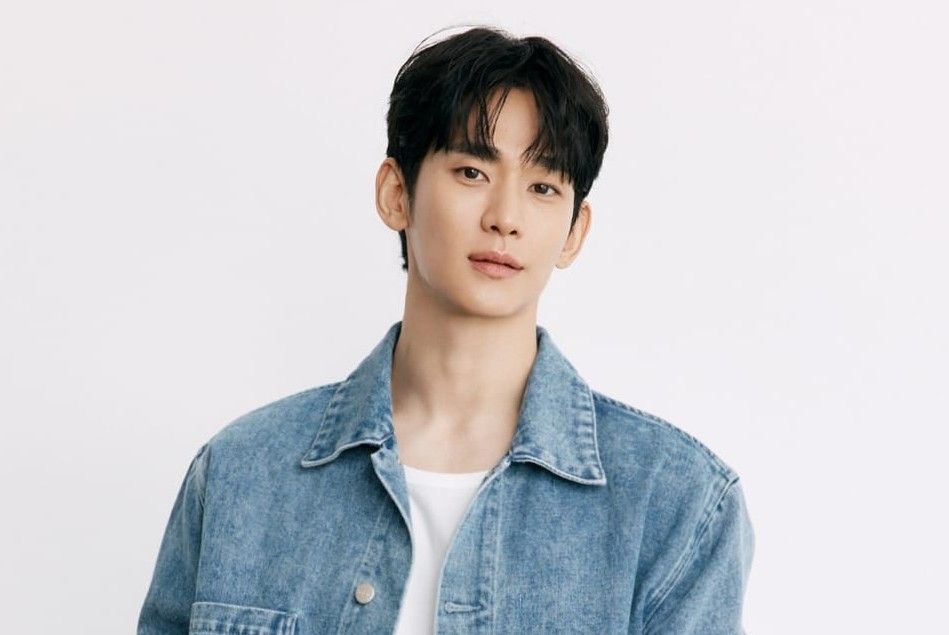
South Korean actor Kim Soo-hyun has made his public return following a twelve-month hiatus, securing a high-profile advertising partnership with Bench, the Philippines' leading clothing and lifestyle retail brand. The comeback was formally announced by Bench founder Ben Chan through Instagram on July 14, who shared behind-the-scenes photographs from the commercial shoot and welcomed Kim back to the brand family. The development signals a strategic effort to rehabilitate Kim's professional standing after a tumultuous period that saw him withdraw from the entertainment industry entirely.
The advertising campaign features Kim modelling various Bench outfits across the retailer's product range, with creative direction handled by Miguel Pastor of Suyen Corporation, Bench's parent company. Pastor emphasized in a statement that Kim's return represents "the start of a new chapter in his public career," positioning the partnership as a deliberate and carefully orchestrated re-entry into commercial work. Behind-the-scenes materials show Kim posed with branded balloons and smiling for promotional content, suggesting a deliberate effort to project normalcy and confidence to potential consumers and the broader entertainment market.
Kim's decision to work with an international brand rather than a domestic Korean company may reflect tactical considerations about rebuilding his image. By engaging with Bench, a respected Philippine retailer, Kim addresses an international audience rather than confronting domestic Korean sentiment immediately. This geographical strategy allows him to demonstrate continued market viability while maintaining some distance from the local controversies that prompted his withdrawal. The announcement came after his agency Gold Medalist had teased the partnership on June 5, suggesting months of negotiation and planning behind the scenes.
The actor's year-long absence stemmed from serious allegations that emerged in March 2025. Kim faced accusations of dating the late actor Kim Sae-ron while she was a minor, charges that carried significant reputational weight in South Korea's increasingly scrutiny-focused entertainment sector. Kim publicly denied these allegations at the time, contending that any relationship with Kim Sae-ron began only after she had attained legal adulthood. The distinction proved crucial both legally and in terms of public messaging, though the controversy was sufficient to prompt his complete withdrawal from public-facing professional activities.
Critical developments in recent months have shifted the legal landscape surrounding the allegations. In May, police investigations concluded that the accusations made by Kim Se-ui, head of HoverLab, were demonstrably false. This official determination provided Kim with significant legal vindication and appears to have formed the foundation for his decision to re-engage with commercial work. Following the police findings, Kim filed his own defamation lawsuit against Kim Se-ui, indicating a more assertive legal posture and suggesting confidence in his ability to defend his reputation through the courts.
Despite the police exoneration, Kim remains entangled in additional litigation that complicated his ability to return to work. Outdoor brand Eider initiated a damages lawsuit claiming that the scandal had substantially harmed the company's brand value and commercial standing. This suit reflected the broader ecosystem of contractual relationships that can be damaged when an affiliated celebrity faces controversy. However, momentum appears to have shifted in Kim's favour, as the court recommended on July 8 that Eider and Kim's agency pursue settlement negotiations rather than proceed to full litigation. Such recommendations typically indicate judicial assessment that continued dispute resolution may be preferable to protracted court proceedings.
The timing of Kim's return carries broader significance for the South Korean entertainment industry and its relationship with celebrity scandals and rehabilitation. The twelve-month period away from public view is substantial enough to constitute a genuine career interruption, yet not so lengthy as to suggest permanent industry exile. This timeline suggests that Korean entertainment companies and international brands have calculated that Kim's market value remains substantial despite the reputational damage. The Bench partnership indicates that international retail brands perceive sufficient consumer interest in Kim to justify commercial investment.
For Southeast Asian audiences and Malaysian readers particularly, Kim Soo-hyun's profile resonates through his substantial fanbase in the region. His previous work has cultivated significant recognition and affection across markets where Korean entertainment content maintains strong appeal. The Bench partnership therefore represents not merely a Korean entertainment industry development but also a meaningful cultural and commercial engagement with Southeast Asian markets. The Philippines-based retailer's selection of Kim reflects confidence in his continued appeal to consumers across the wider Asia-Pacific region.
The comeback also illustrates how celebrity rehabilitation operates within the South Korean entertainment ecosystem, where thorough legal vindication appears necessary but not fully sufficient to restore public standing. Kim's choice to partner with an international brand suggests strategic sensitivity to lingering domestic sentiment, even following police exoneration and apparent movement toward legal settlement of disputes. By re-entering through an external market partnership rather than a purely Korean-focused project, Kim demonstrates awareness that public trust and commercial viability require careful, measured approaches to restoration.
Moving forward, the success of this Bench campaign will likely influence whether additional opportunities emerge for Kim across both regional and domestic markets. The advertising partnership functions as a crucial test case for his broader marketability and for whether international commercial partners believe the controversy has sufficiently dissipated to justify professional association. Should the campaign perform successfully without generating significant consumer backlash, industry observers expect additional opportunities for Kim to expand his professional commitments. Conversely, any negative consumer response could complicate his rehabilitation trajectory and extend the period of relative industry isolation.

