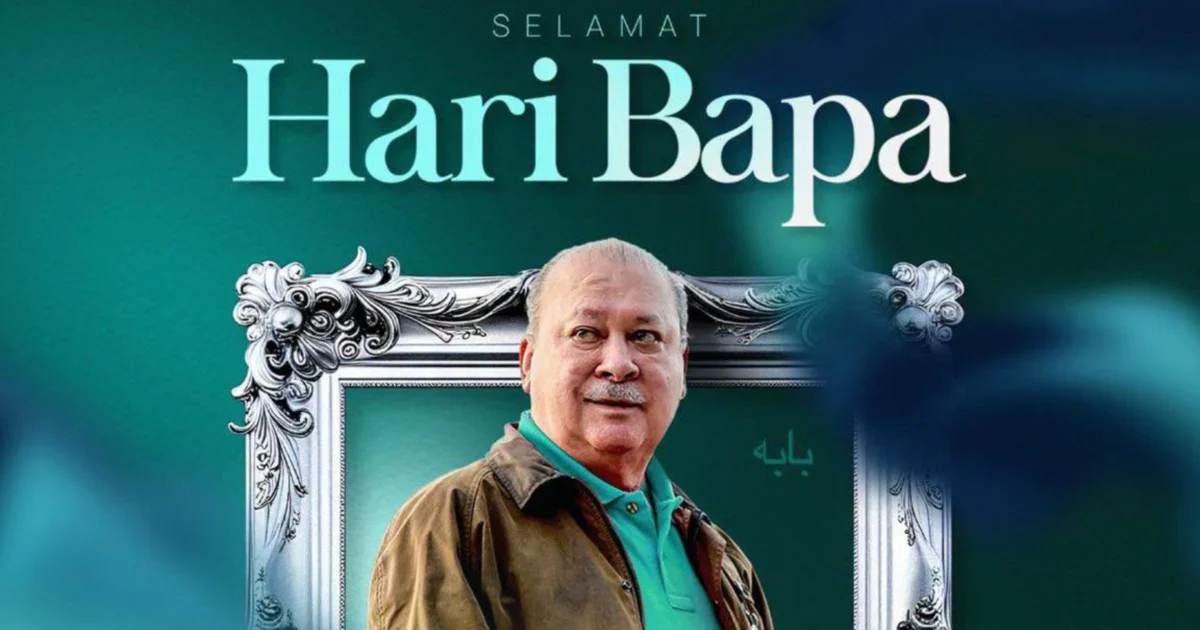
His Majesty Sultan Ibrahim, King of Malaysia, and Her Majesty Raja Zarith Sofiah, Queen of Malaysia, have extended warm greetings to all fathers across the nation on Father's Day, reaffirming the royal family's recognition of the vital role that fathers play in shaping Malaysian society and family structures.
The royal message, delivered on the occasion of Father's Day celebrations, underscores the significance the monarchy places on family values and paternal contributions to the nation's social fabric. Such gestures from the palace reflect Malaysia's commitment to recognising and honouring family institutions at the highest levels of state.
Father's Day, observed in Malaysia as in many countries around the world, provides an annual opportunity for families to acknowledge and appreciate the sacrifices and dedication of fathers and father figures. The occasion has grown increasingly prominent in Malaysian culture, with both public and private sectors marking the day through various commemorative activities and messages.
The royal couple's greetings carry particular weight in a Southeast Asian context where familial respect and filial piety remain central to cultural identity. By placing the monarchy's endorsement behind Father's Day celebrations, Sultan Ibrahim and Raja Zarith Sofiah signal the continuity of traditional family structures even as Malaysian society navigates rapid modernisation and socioeconomic change.
These annual pronouncements from Istana Negara serve multiple functions beyond simple ceremonial purposes. They reinforce the importance of parental responsibility during times when Malaysian families face diverse pressures, from economic challenges to shifting work patterns. The message carries particular resonance for working fathers who balance professional obligations with family duties—a demographic facing increasing strain in contemporary Malaysia.
The timing of such greetings also reflects the palace's broader engagement with grassroots Malaysian concerns. Rather than limiting royal communications to matters of state governance, the monarchy demonstrates accessibility and relevance to everyday family matters that resonate with ordinary Malaysians across different ethnic, religious, and socioeconomic backgrounds.
For Malaysian media and social platforms, Father's Day greetings from the palace typically generate significant public engagement, with citizens sharing personal stories and family experiences in response. This creates informal spaces for public discourse about fatherhood, parental expectations, and family dynamics—conversations that might otherwise remain confined to private spheres. The symbolic weight of royal endorsement can elevate these discussions to broader societal importance.
In the context of Southeast Asian monarchies, Malaysia's royal family maintains a tradition of marked engagement with national occasions and celebrations. Such messages form part of a deliberate communication strategy designed to maintain the institution's relevance and connection to contemporary Malaysian life while preserving traditional protocols and expectations associated with constitutional monarchy.
Fathers in Malaysia represent diverse experiences and backgrounds—from urban professionals to rural workers, from single parents managing sole responsibility for children to those in traditional family arrangements. The inclusive nature of royal Father's Day greetings acknowledges this diversity, suggesting that all forms of paternal engagement and responsibility merit recognition and appreciation from the highest levels of national leadership.
The gesture also highlights enduring cultural values within Malaysian society that prioritise family cohesion even as external forces reshape traditional arrangements. In workplaces increasingly characterised by flexible arrangements and digital connectivity, the acknowledgement of fatherhood as a social role worthy of formal celebration reinforces its continued importance despite changing economic and social contexts.
Royal messages during significant family occasions provide Malaysia's monarchy with opportunities to communicate shared values that transcend political divisions and demographic differences. Whether delivered through official statements or palace media channels, these greetings become part of the national conversation during commemorative periods, shaping how public institutions and private families alike approach important life milestones and relationships.
The continued prominence of such messages in Malaysia's calendar suggests that despite demographic and cultural shifts, fatherhood remains a concept commanding broad respect across different generations and communities. The palace's consistent acknowledgement of this reality demonstrates understanding that constitutional monarchy in modern Malaysia requires regular, visible engagement with themes that matter to everyday citizens.

%22%2F%3E%3C%2Fpattern%3E%3C%2Fdefs%3E%3Crect%20width%3D%22100%25%22%20height%3D%22100%25%22%20fill%3D%22url(%23ph107xyg)%22%2F%3E%3Crect%20width%3D%22100%25%22%20height%3D%22100%25%22%20fill%3D%22url(%23ph107xyp)%22%2F%3E%3Ctext%20x%3D%2250%25%22%20y%3D%2250%25%22%20text-anchor%3D%22middle%22%20dominant-baseline%3D%22central%22%20fill%3D%22rgba(255%2C255%2C255%2C0.95)%22%20font-family%3D%22Georgia%2C%20'Times%20New%20Roman'%2C%20serif%22%20font-weight%3D%22700%22%20font-size%3D%22320%22%20letter-spacing%3D%22-0.02em%22%3EMuda%3C%2Ftext%3E%3C%2Fsvg%3E)
%22%2F%3E%3C%2Fpattern%3E%3C%2Fdefs%3E%3Crect%20width%3D%22100%25%22%20height%3D%22100%25%22%20fill%3D%22url(%23ph10b2ng)%22%2F%3E%3Crect%20width%3D%22100%25%22%20height%3D%22100%25%22%20fill%3D%22url(%23ph10b2np)%22%2F%3E%3Ctext%20x%3D%2250%25%22%20y%3D%2250%25%22%20text-anchor%3D%22middle%22%20dominant-baseline%3D%22central%22%20fill%3D%22rgba(255%2C255%2C255%2C0.95)%22%20font-family%3D%22Georgia%2C%20'Times%20New%20Roman'%2C%20serif%22%20font-weight%3D%22700%22%20font-size%3D%22226%22%20letter-spacing%3D%22-0.02em%22%3ESevere%3C%2Ftext%3E%3C%2Fsvg%3E)