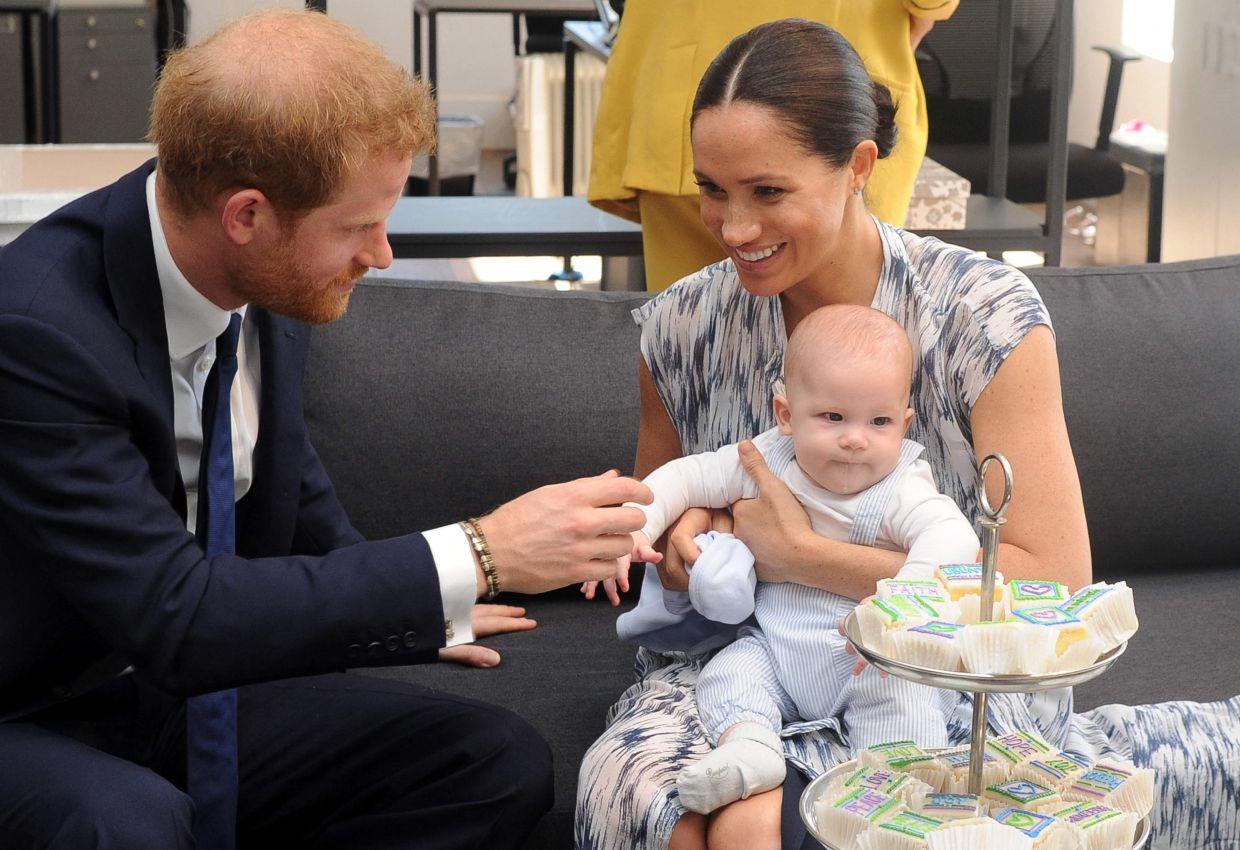
King Charles III welcomed Prince Harry and his family to Highgrove House, a country estate west of London, in what represents a significant moment in the royal family's ongoing efforts to mend fractured relationships. The gathering on Friday included Harry's wife, the Duchess of Sussex, and their two children, Prince Archie and Princess Lilibet, alongside the king and Queen Camilla, according to confirmation from Buckingham Palace. This meeting comes nearly six years after Harry and Meghan stepped away from royal life to pursue their own path in the United States, a decision that fundamentally altered the trajectory of the modern monarchy and created one of the institution's most visible family divisions.
The visit arrived with considerable symbolic weight, as it marked a tangible shift toward reconciliation following years of public tension and private distance. Harry had travelled to Britain on July 6 to participate in a series of charity engagements, but the broader question hanging over his trip centred on whether meaningful family contact would materialise. Media outlets across Britain had devoted extensive coverage to speculation about the mechanics and likelihood of such a meeting, particularly whether Meghan would attend and crucially, whether the couple would bring their children so that the young royals could develop a genuine relationship with their grandfather.
The logistical complexities underlying Friday's gathering underscore the practical difficulties facing the fractured family. The monarch's calendar extends years into the future, with ceremonial obligations and official engagements scheduled well in advance, leaving only narrow windows for personal matters. The timing proved particularly acute given that Archie, now seven years old, and Lilibet, five, needed to return to California before the autumn school term commenced. These circumstances created pressure to capitalise on a fleeting opportunity, intensifying the emotional stakes attached to the occasion.
The preceding week had witnessed uncomfortable public episodes that highlighted the fragility of reconciliation efforts. Royal officials initially extended an invitation to Harry to stay at Buckingham Palace before reversing the decision after the prince failed to accept promptly enough. These miscommunications, broadcast in embarrassing detail across British news outlets, underscored the raw sensitivities that still characterise interactions between Harry and palace establishments. Such friction seemed to mirror the deeper structural problems within the institution that drove the couple's departure in the first place.
Harry's homecoming also coincided with a legal setback that further complicated the family narrative. The prince suffered defeat in his latest lawsuit against British tabloid publishers, with a judge determining that he had insufficient evidence to substantiate privacy invasion claims. These protracted legal battles have become a persistent source of tension within the royal family, though Harry has maintained his determination to challenge what he perceives as systemic media abuse. His 77-year-old father, King Charles, is currently undergoing treatment for an undisclosed cancer diagnosis, lending urgency and poignancy to efforts at family reconciliation.
The distance between father and son had been considerable. Their most recent encounter before Friday's gathering consisted of a brief cup of tea in September, marking their first meeting in over a year. Yet Harry has consistently expressed a desire to move beyond the acrimony that characterised the breakdown of family relations, particularly given the health circumstances facing his father. More significantly, he has spoken of his wish for his children to develop a substantive relationship with the monarch. Prince Archie and Princess Lilibet had briefly encountered their grandfather during celebrations marking the late Queen Elizabeth II's Platinum Jubilee in 2022, but those contacts had been fleeting and had not produced the continuity necessary for genuine familial bonds.
The underlying causes of the royal family's division remain seared into public consciousness. The departure of Harry and Meghan to establish independent media enterprises in California fundamentally altered power dynamics within the monarchy and sparked intense scrutiny regarding their motivations. That situation deteriorated markedly following the publication of Harry's memoir, which contained unflattering characterisations of various family members alongside serious allegations regarding the relationship between the monarchy and the British press. Harry particularly criticised Queen Camilla, accusing her of breaching his confidence by leaking private conversations to journalists as part of a broader strategy to rehabilitate her public standing.
The allegations contained within Harry's book extended beyond personal grievances to institutional criticisms. The prince documented what he characterised as a toxic dynamic whereby senior royals allegedly engaged in information-sharing with media outlets in exchange for favourable coverage, describing a system that appeared to prioritise personal rehabilitation over collective family interests. These revelations struck at the heart of the institution's relationship with the press, an arrangement that has historically underpinned the modern monarchy's public legitimacy and media management.
Harry's stated position on reconciliation has shifted noticeably in recent months, particularly following his loss in court proceedings regarding security arrangements. He has publicly indicated a willingness to move beyond the confrontational approach that characterised the previous period, acknowledging that continued conflict serves no meaningful purpose. In a recent BBC interview, he articulated his desire for family healing while expressing anxiety about his father's mortality and health trajectory. These statements suggested a genuine attempt to reset the relationship, acknowledging the limits of legal and public battles in addressing fundamental family ruptures.
The Friday meeting at Highgrove represents a measured but significant step along that reconciliation pathway. The occasion was designated private, with no official photographs released to the media, suggesting a genuine desire for family time rather than orchestrated public relations theatre. This discretion itself communicates something important: that the family is attempting to rebuild connections away from the intense scrutiny that has otherwise characterised every aspect of their relationship dynamics. For Malaysian readers and Southeast Asian observers, the royal family's struggles illuminate broader tensions inherent in modern institutional hierarchies navigating rapidly changing social expectations and individual autonomy.
The significance of this gathering extends beyond the immediate family unit to broader questions about institutional adaptation and generational change. The divide between Harry and his family represents a fundamental challenge to the traditional structures and obligations that have long defined royal life. Whether this Friday meeting catalyses genuine, sustained reconciliation or merely provides temporary respite from public hostility remains uncertain. What seems clear is that both sides recognise the cost of continued estrangement, particularly as Charles's health circumstances lend urgency to the process of family healing.

