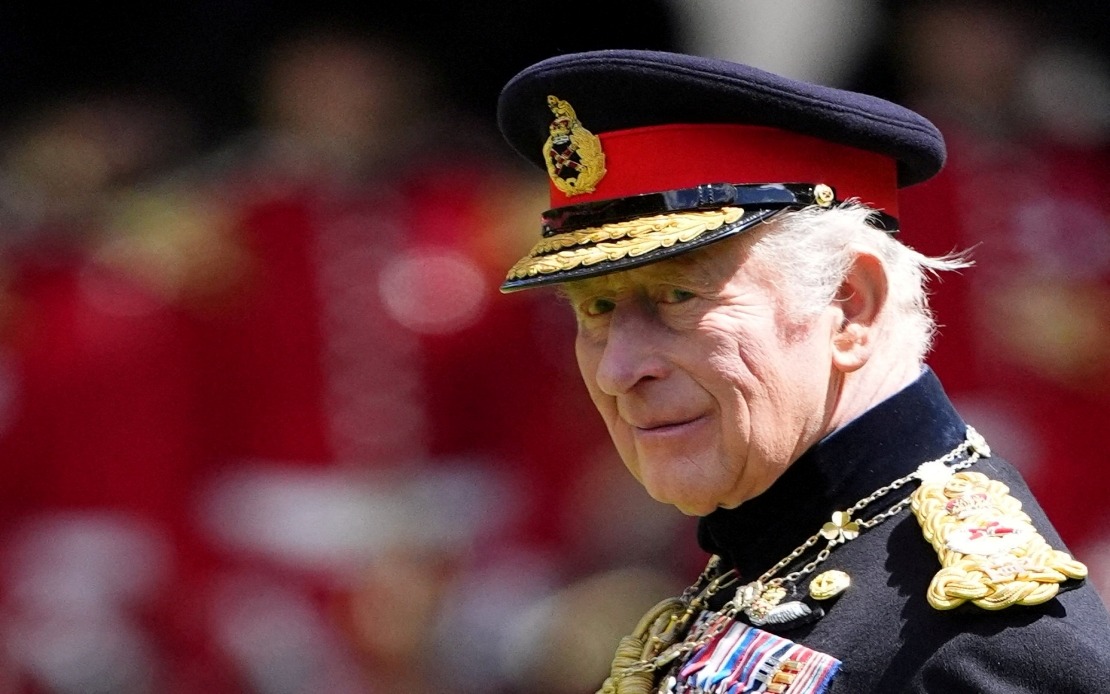
King Charles III has entered uncharted constitutional territory by disclosing his personal tax payment of £12.9 million for the 2024-2025 tax year, marking the first time any reigning British monarch has voluntarily made such financial information public. Buckingham Palace's announcement on Thursday represents a significant departure from centuries of royal financial secrecy and reflects the crown's commitment to demonstrating greater accountability to the public it serves.
The revelation came alongside a comprehensive Royal Household document detailing the various revenue streams supporting the monarchy, underscoring the palace's broader initiative to demystify how royal finances function. This transparency agenda, according to James Chalmers, the keeper of the Privy Purse, aims to illustrate that despite the apparent complexity of royal financial arrangements, the underlying system operates on clear principles established in law and refined over decades to enable the monarch to fulfil constitutional duties with both independence and public accountability.
While King Charles's disclosure for the current tax year marks a watershed moment for the institution, the financial picture reveals an even more substantial commitment to the tax system. During the previous 2023-2024 tax year, he remitted £11.7 million in personal income taxes, bringing his total voluntary tax contributions since ascending the throne in September 2022 to more than £30 million. This cumulative figure demonstrates a consistent pattern of financial obligation undertaken despite the absence of legal requirement to do so.
The distinction between legal requirement and voluntary compliance forms the philosophical foundation of the monarchy's approach to taxation. British sovereigns possess an exemption from income tax, capital gains tax, and inheritance tax—a historic privilege rooted in the doctrine that the crown cannot be legally bound in its own courts. However, since the 1990s, successive monarchs have voluntarily chosen to pay income tax and capital gains tax, establishing a precedent that positions the institution within the broader framework of national fiscal responsibility. This self-imposed arrangement signals royal recognition that public trust and legitimacy require the crown to shoulder the same tax burdens as its subjects.
King Charles's practice of tax disclosure actually began during his decades as Prince of Wales, when he regularly published information regarding his personal tax contributions. However, the release of such figures took on heightened significance upon his accession to the throne, transforming what had been a gesture of good governance into a statement about the reigning monarch's relationship with the British state and its people. The palace's decision to continue and expand this transparency as king rather than retreat into royal privilege carries substantial symbolic weight in an era when public institutions face mounting scrutiny.
The sources underlying the king's taxable income provide further insight into his financial position and the assets now inalienably linked to his constitutional role. His personal revenue derives substantially from investments held in his own name, alongside income generated by Balmoral Castle in Scotland and Sandringham House in Norfolk—both privately owned estates that predate his accession and remain family assets distinct from crown property. These income sources are deployed exclusively for his private expenses, creating a clear demarcation between the sovereign's personal finances and the public funds that support the institution of monarchy itself.
For Malaysian and broader Southeast Asian observers, the significance of this disclosure extends beyond mere financial accounting. Many Commonwealth realms, including Malaysia with its own constitutional monarchy, maintain close constitutional relationships with the British crown and frequently reference developments affecting the British monarchy when examining their own governance frameworks. The precedent established by King Charles regarding royal financial transparency potentially influences discussions about executive accountability and public trust in monarchical institutions throughout the Commonwealth network.
The timing of this announcement reflects broader conversations about institutional legitimacy in contemporary democracies. Across the world, public figures and institutions face intensifying demands for transparency and financial accountability, particularly regarding resource allocation and tax obligations. By proactively disclosing his tax payments without legal compulsion to do so, King Charles positions the monarchy as an institution willing to exceed minimum legal requirements when serving the public interest, thereby pre-empting criticism and reinforcing the notion that democratic principles and royal governance can coexist compatibly.
Palace officials characterise the transparency initiative as emblematic of how the monarchy adapts to contemporary expectations while preserving its constitutional independence. The voluntary tax arrangements introduced in the 1990s themselves represented a modernisation effort, and the current public disclosure of payment figures extends this evolutionary trajectory. Each increment toward transparency serves the dual purpose of satisfying public curiosity about royal finances while simultaneously affirming that the monarchy operates within systems of accountability rather than standing entirely apart from them.
For taxpayers in Britain and beyond, King Charles's substantial tax contributions underscore that the institution of monarchy itself generates considerable personal wealth for its office-holder, wealth that now flows partially back into the national treasury. The £12.9 million figure for a single year contextualises the scale of royal financial interests and demonstrates that even when monarchs voluntarily contribute to public finances, they retain exceptional wealth compared to their populations. This reality may stimulate ongoing debate about whether voluntary contributions constitute sufficient accountability or whether more fundamental questions about royal privilege require examination.
The psychological and constitutional implications of this disclosure warrant sustained attention. By normalising the public discussion of royal tax payments, King Charles III has effectively declared that no aspect of his financial obligations should remain shrouded in mystery or justified solely by historical precedent. This stance reverberates through Commonwealth institutions and potentially influences how citizens elsewhere perceive their own heads of state, particularly in nations where transparency regarding leadership finances remains contested or incomplete.

