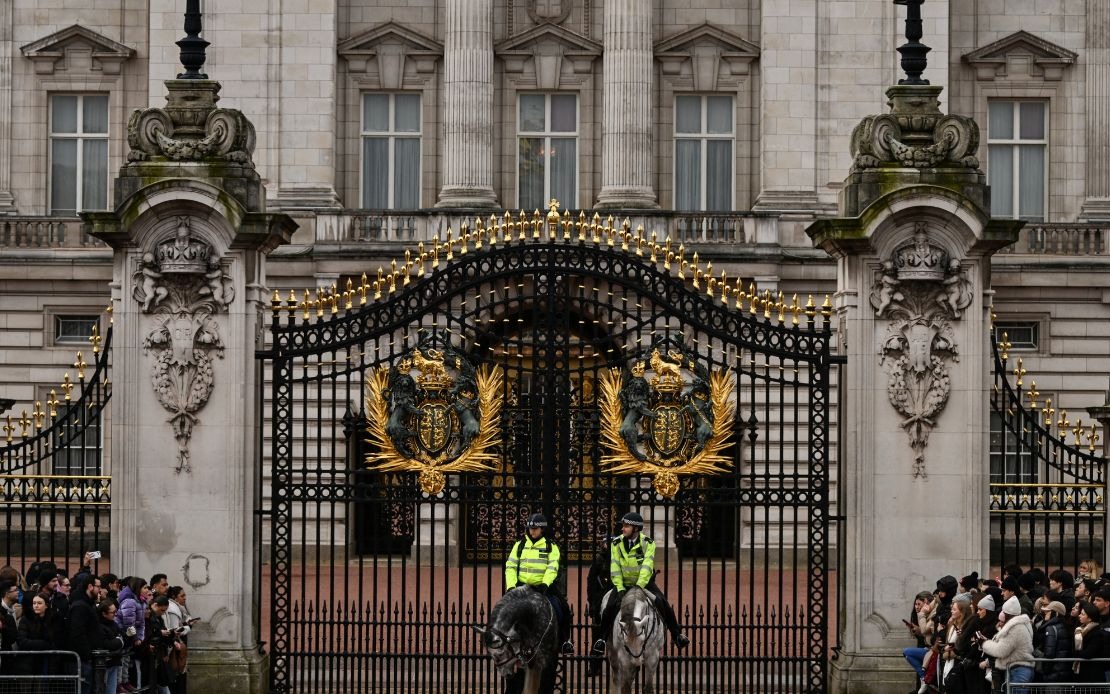
Britain's King Charles III and Queen Camilla have confirmed they will continue utilising Buckingham Palace as their ceremonial home following the completion of its extensive refurbishment programme, though the royal couple will not reside there privately, the Royal Household announced on Thursday. The decision, outlined in the latest statement on royal finances, provides clarity on the future use of one of the world's most recognisable royal residences and underscores the monarchy's commitment to maintaining its public-facing ceremonial functions at the historic venue.
The palace will serve as the principal location for hosting official state ceremonies, formal receptions, and other high-level public functions once the refurbishment work concludes. Rather than transitioning into a private royal residence, the arrangement reflects a modernised approach to how contemporary monarchies balance operational efficiency with symbolic significance. The Royal Household has explicitly positioned the palace as remaining the ceremonial heart of the British monarchy, emphasising its role as the institutional workplace for senior officials and staff managing the Crown's affairs.
The ambitious vision articulated by the royal couple extends beyond ceremonial utility. Officials have outlined plans to transform Buckingham Palace into a more accessible national heritage asset, offering substantially enhanced opportunities for public visitation and engagement with Britain's royal heritage. This approach signals a strategic effort to strengthen the monarchy's relationship with ordinary citizens and international visitors, positioning the palace as a living institution rather than an exclusively elite or secretive domain. Such accessibility initiatives align with broader trends among European royal households in balancing tradition with contemporary expectations of transparency and public connection.
The refurbishment initiative, formally designated the Buckingham Palace Reservicing Programme, has now reached its ninth year of what is projected to be a ten-year undertaking. The project addresses critical infrastructure challenges accumulated over decades, including modernisation of mechanical systems, updating electrical installations, and addressing structural concerns inherent to a building whose current form dates to the nineteenth century. Such comprehensive restoration work is essential for ensuring the palace's functionality and safety for another generation of royal use, while the extended timeline reflects the complexity of renovating such a culturally and structurally significant building.
Financial data released alongside the announcement reveals the scale of public investment in royal operations and heritage preservation. During the 2025-2026 financial year, the Sovereign Grant—the dedicated public funding mechanism supporting the monarch's official functions and upkeep of occupied royal residences—increased to £132.1 million. Of this substantial sum, £67.5 million was specifically earmarked for preserving and protecting occupied royal palaces, demonstrating that heritage maintenance constitutes more than half the dedicated royal funding allocation. This investment reflects the practical costs associated with maintaining multiple historic properties alongside their ceremonial and operational functions.
For Malaysian and Southeast Asian observers, the financial commitment to royal heritage preservation offers perspective on how established constitutional monarchies allocate resources toward maintaining institutional symbols and ceremonial infrastructure. The British model allocates public funds through a transparent grants system with explicit parliamentary oversight, contrasting with various approaches adopted across different Commonwealth realms and regional monarchies. The refurbishment programme exemplifies long-term institutional planning aimed at sustaining symbolic resonance while adapting to modern functional requirements.
The scale of royal entertaining underscores the substantial demand for palatial venues. During the 2025-2026 financial year, royal palaces hosted 827 distinct events accommodating nearly 97,000 guests, ranging from state banquets and diplomatic receptions to cultural celebrations and community gatherings. These figures demonstrate that Buckingham Palace and associated residences function as critical infrastructure for diplomatic engagement, cultural programming, and ceremonial life. The volume of public events justified the substantial investment in refurbishment and ongoing maintenance, as these venues directly facilitate the monarchy's public-facing role.
The decision to enhance public access through the refurbishment programme reflects a deliberate recalibration of how the British monarchy presents itself to contemporary society. Rather than treating Buckingham Palace exclusively as a private or restricted space, the Royal Household's commitment to expanding visitor opportunities positions the institution as steward of national heritage. This approach acknowledges shifting expectations regarding transparency and public engagement while preserving the palace's ceremonial dignity and functional purpose for state occasions requiring appropriate formal settings.
The confirmation that King Charles III and Queen Camilla will not establish Buckingham Palace as their primary private residence marks a pragmatic departure from historical patterns. Modern royal households increasingly prioritise operational separation between ceremonial state venues and private residential spaces, allowing greater public access to symbolic locations while preserving personal privacy. The arrangement frees the palace from simultaneous residential and public functions, enabling more flexible scheduling of state business and visitor programmes without disrupting private royal life.
Looking forward, the completion of the Buckingham Palace Reservicing Programme will represent a milestone in preserving Britain's royal infrastructure for future generations. The refurbishment not only addresses critical technical requirements but positions the palace as a thoroughly modernised venue capable of meeting twenty-first century standards for accessibility, safety, and operational efficiency. For Commonwealth nations including Malaysia, the British approach to balancing heritage preservation with institutional modernisation offers relevant case studies in maintaining symbolic royal infrastructure amid changing social expectations.
The Royal Household's articulated vision—combining ceremonial purpose, enhanced public access, and heritage stewardship—reflects how established monarchies adapt institutional practices to contemporary contexts. By confirming Buckingham Palace's continued role as ceremonial centre while investing substantially in accessibility and preservation, the British Crown demonstrates commitment to sustaining its symbolic significance while acknowledging broader societal expectations regarding transparency and public engagement with national heritage assets.

