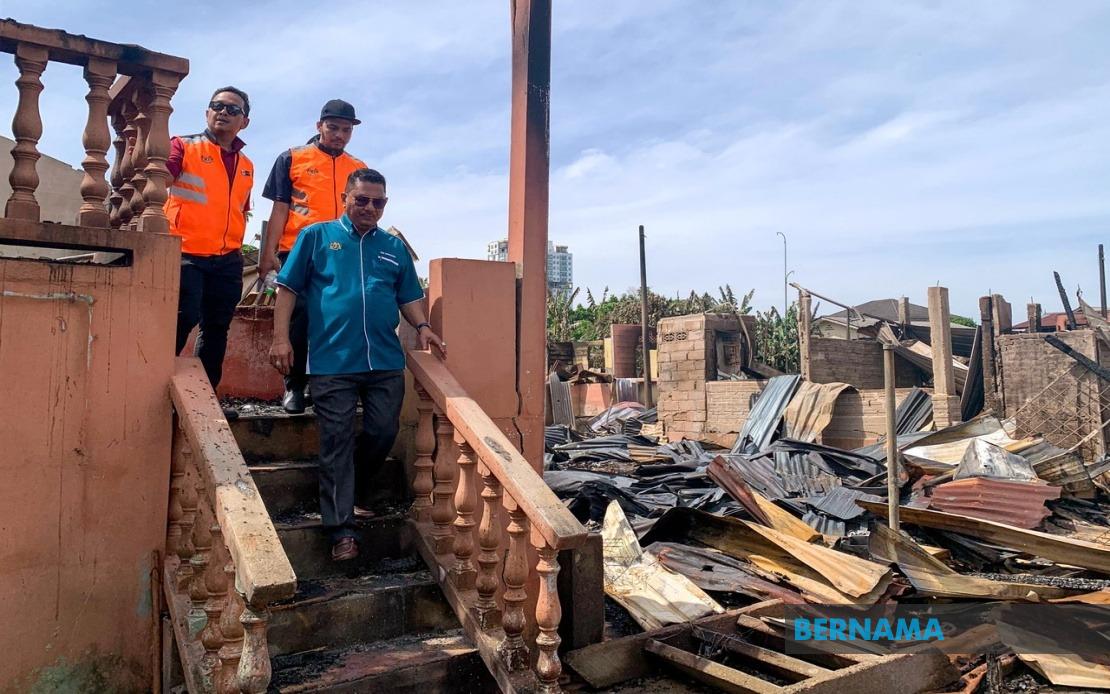
A fire that destroyed 27 residential structures in Kampung Gok Kapur, Kota Bharu on June 8 originated from papers being deliberately burned with a gas lighter in a kitchen, according to findings released this week by the Kelantan Fire and Rescue Department. The forensic investigation unit traced the ignition to an open flame applied directly to a pile of papers in the kitchen of one dwelling, with authorities characterising the incident as resulting from negligence during the burning activity.
Farhan Sufyan Borhan, director of the Kelantan JBPM, explained that physical evidence and witness statements converged on the same cause. The open flame ignited not only the papers themselves but also adjacent combustible materials within the kitchen space, which then propagated rapidly through the structure and jumped to adjoining properties. Within a short timeframe, the fire consumed a significant section of the residential area, highlighting how quickly a localised ignition can escalate into a community-scale disaster.
The incident displaced 110 villagers who sought emergency shelter at Mukim Banggol Mosque, which served as a temporary evacuation centre in the immediate aftermath. Fortunately, the rapid response of emergency services and the community's swift relocation prevented loss of life, though the destruction of homes represented substantial material and emotional losses for affected families. This outcome underscores both the dangers of uncontrolled fire sources in densely populated residential zones and the importance of evacuation preparedness.
Kelantan's JBPM has now forwarded its investigation report to police and relevant authorities for potential further action, signalling that negligence findings could trigger legal proceedings. The decision to involve law enforcement reflects an increasingly serious approach by Malaysian fire safety authorities to preventable disasters. Such accountability measures serve as a deterrent to unsafe practices and demonstrate institutional commitment to protecting public safety.
The department has seized the opportunity to remind the public of critical fire prevention measures, particularly regarding open flame sources in domestic settings. Burning papers, waste, or other materials indoors or in close proximity to residential clusters presents a significant hazard that many Malaysians may not appreciate until disaster occurs. Kitchen environments, where cooking appliances and flammable items coexist, warrant special caution when any non-culinary burning activity is contemplated.
This incident reflects broader fire safety challenges across Malaysia, where improper waste disposal and uncontrolled burning remain persistent risks in residential areas. Many communities, particularly in smaller towns and villages across the country, continue traditional or convenient practices of burning household waste without fully appreciating modern fire code regulations or the rapid spread potential of flames in constructed environments. The Kampung Gok Kapur incident serves as a stark reminder that such customs, however routine they may seem, demand serious reconsideration.
Kelantan's geography and building density patterns create particular vulnerability to fire propagation. Many residential areas feature houses constructed in close proximity with limited firebreaks, meaning a kitchen fire can traverse an entire neighbourhood block within minutes. Wooden structures, common in traditional village settings, amplify the risk by providing abundant fuel for advancing flames. The loss of 27 homes in a single incident illustrates how structural and spatial factors compound the initial ignition source.
The timing of such disasters often coincides with dry seasons or periods when weather conditions favour rapid flame spread. Residents and authorities must coordinate seasonal fire preparedness campaigns to heighten awareness when risk elevates. Public education initiatives should specifically target the dangers of indoor burning activities and encourage alternatives such as authorised waste disposal facilities or scheduled municipal collection services.
For insurance purposes and disaster recovery planning, the investigation findings establish clear causation that will inform both claim settlements and community rebuilding efforts. Authorities can now tailor prevention messaging to address the specific behaviour that triggered this preventable catastrophe, emphasising that kitchen spaces are entirely unsuitable for any burning activities beyond cooking. Such targeted communication proves more effective than generic fire safety notices.
Moving forward, the Kelantan JBPM and local municipal authorities should consider strengthening building code enforcement in village areas and expanding access to formal waste management infrastructure. When communities possess convenient, safe alternatives to open burning, compliance improves substantially. Investment in such infrastructure also supports broader waste management and environmental quality objectives.
The Kampung Gok Kapur fire demonstrates that even localised carelessness in a single kitchen can fundamentally alter the lives of entire communities. The investigation outcome provides Malaysian households with concrete evidence that open flame burning of household materials represents an unacceptable risk in modern residential settings. As the nation develops economically, traditional disposal methods must give way to safer, more sustainable approaches that protect both people and property from entirely preventable disasters.