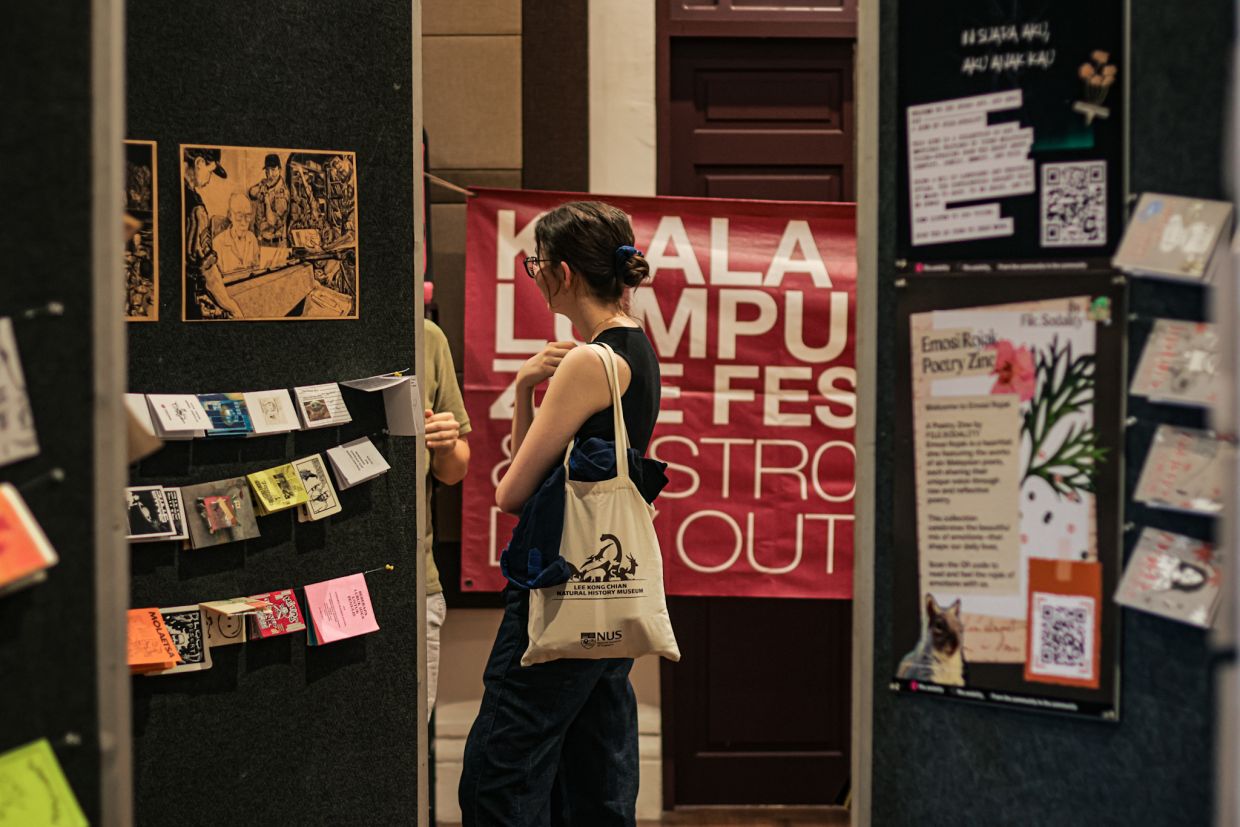
The KL Zine Etc festival is expanding significantly for its second iteration, cementing itself as a major platform for independent publishing and grassroots creative culture in the Malaysian capital. Occupying the first floor of a heritage trade hall, the festival now hosts more than 50 vendors—a substantial jump from its inaugural edition—bringing together zinesters, printmakers, independent publishers and DIY artists who operate beyond the commercial publishing mainstream. This growth reflects deepening support for a cultural movement rooted in the merdeka spirit of creative autonomy that has long animated zine culture globally.
The festival's thematic focus this year centres on peace and reconciliation, with organisers framing an anti-war exhibition as the event's cornerstone programme. Rather than limiting the concept to international military conflicts, the KLZE committee has conceived the theme expansively, encompassing what they describe as internal "wars" shaped by mental health struggles, identity negotiations and ideological tensions. This layered approach allows the festival to address both geopolitical concerns and deeply personal dimensions of conflict, creating resonance across diverse audience experiences. The organisers have articulated a vision of the festival as a space where visitors and exhibitors can establish their own "ceasefire zones"—dedicated areas for reading, dialogue and the peaceful exchange of ideas.
The curatorial range on display spans contemporary fanzine culture, punk aesthetics, folk narratives and indigenous activism, alongside specialist areas dedicated to comics, environmental issues, feminist discourse and role-playing games. This eclectic programming reflects how the independent publishing sector has evolved far beyond its countercultural origins to become a vehicle for marginalized voices, subcultural expression and experimental storytelling. Participating vendors including Otter Is Reading, Tokosue, Paulitical Art, Gerimis Art, Bah Saluji, Sunda Shelves, Munkao, Kawak Buku, Lost Prints Community Studio, Cari Gadoh, Bang Bang Zines, Tofu Stand, Zine Coop and The Storyteller's Caravan represent both established collectives and emerging practitioners within this ecosystem.
Critically, KLZE demonstrates the geographical depth of Malaysia's independent publishing landscape, drawing exhibitors from across the peninsula and across Borneo. Publishers from Kelantan (Kedai Hitam Putih), Melaka (Pipit Press), Johor (Shuren Press), Sarawak (Olivia JD) and Sabah (Borneo Komrad) participate, underscoring how zine and indie print culture has taken root well beyond Kuala Lumpur's creative circles. This national representation signals that DIY publishing and self-determined creative expression appeal to communities throughout Malaysia, challenging assumptions about culture and publishing being concentrated in urban centres.
The festival's evolution into a regional convening point marks a significant shift in its scope and relevance. The second edition welcomes creators not only from across Malaysia but also from Singapore, Indonesia, the Philippines, Hong Kong, China, Myanmar and Taiwan. This Southeast Asian and wider Asian participation situates KLZE within transnational networks of independent culture-makers, facilitating cross-border exchange and solidarity among alternative publishers. For Malaysian participants, this regional presence offers valuable opportunities for collaboration, knowledge-sharing and understanding how independent publishing movements operate across different political, economic and cultural contexts within Asia.
The three-day programme extends well beyond exhibitions, incorporating zine-focused workshops, hands-on creative sessions, film screenings and live music performances. These interactive components recognise that zine culture thrives as a participatory practice rather than merely a consumable product. Workshops and screenings create pedagogical moments where both experienced practitioners and newcomers can engage with the philosophical and technical dimensions of independent publishing, while musical programming reinforces the cultural vitality and countercultural associations of the movement.
Multilingualism embedded throughout the festival reflects both the regional composition of participants and the actual reading practices of Southeast Asian zine communities. Works presented in Bahasa Malaysia, English, Mandarin Chinese and other languages acknowledge that independent publishing in this region serves linguistically and culturally diverse audiences. This linguistic plurality stands in sharp contrast to the English-dominant or nationally-bounded nature of much mainstream publishing, positioning KLZE as genuinely inclusive of the region's cultural complexity.
The festival's accessibility pricing—RM10 entry with a RM5 voucher towards zine purchases—demonstrates a commitment to keeping independent publishing affordable and welcoming to general audiences. This pricing strategy recognises that zine culture depends on circulation among readers and communities rather than on exclusionary collector markets or institutional gatekeeping. The voucher system actively encourages visitors to become consumers and supporters of independent publishers, directly channelling participation fees back into the ecosystem.
Organisers have emphasised that KLZE's ultimate ambition extends beyond creating a market for zines. Instead, they seek to facilitate meaningful friendships and intellectual exchanges among local and regional zinemakers, with the expectation that such encounters will generate future collaborations and sustained networks. This relational approach suggests that the festival functions as infrastructure for community-building within independent publishing cultures, recognising that the movement's vitality depends on ongoing relationships and mutual support among practitioners. For Malaysian readers interested in alternative narratives, independent journalism and grassroots creative culture, KLZE represents not merely a shopping event but a gathering that affirms the possibility and necessity of cultural production outside mainstream institutions.

