Authorities in Malaysia are now conducting a thorough investigation into the circumstances surrounding a Malaysia Airlines pilot's detention at Jakarta's Soekarno-Hatta International Airport following the discovery of narcotics in his possession. The incident has prompted scrutiny of security procedures at Kuala Lumpur International Airport, where the officer had processed his departure.
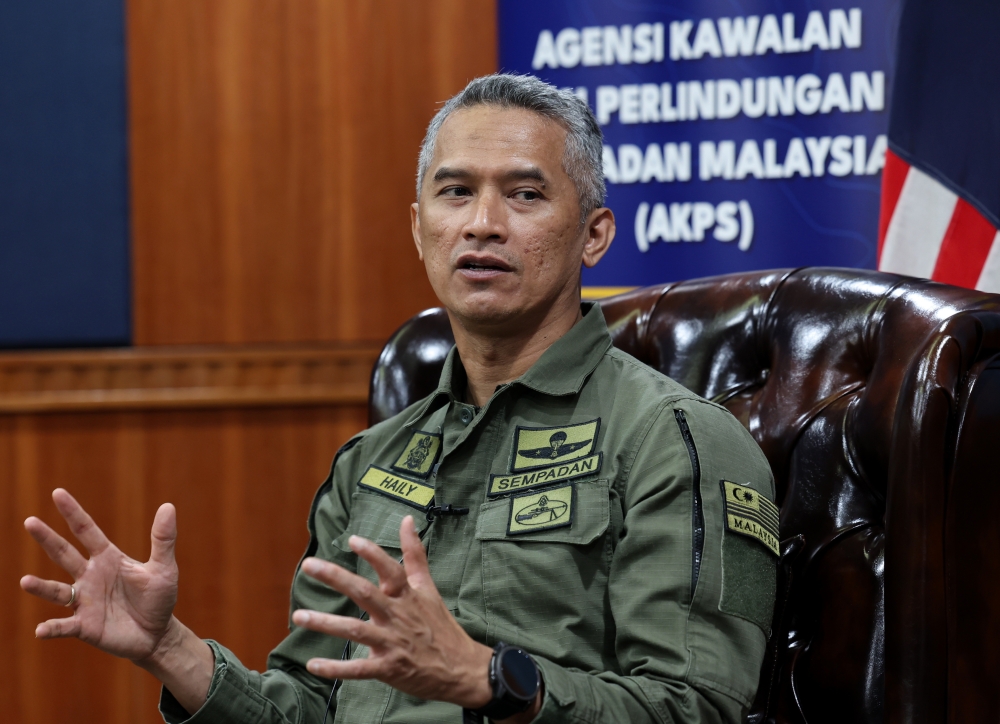
The chief of Malaysia's border security agency has publicly stated that screening procedures at KLIA revealed nothing of concern when the pilot departed. This assertion forms part of ongoing efforts by Malaysian authorities to understand how the situation unfolded and whether any procedural gaps exist within the nation's airport security infrastructure. The statement comes amid broader questions about the effectiveness of current detection systems and protocols used for screening passengers and crew members.
Indonesian authorities apprehended the pilot upon his arrival, with the discovery occurring during baggage checks at the Jakarta airport. The timing of the arrest—after departure from Malaysia but upon entry into Indonesia—has created a delicate situation between the two neighbouring nations, as both countries examine their respective screening procedures and coordination mechanisms.
The Malaysian border agency's position reflects confidence in its existing protocols, suggesting that no irregularities were apparent during the screening process at KLIA. However, the incident raises important questions about the standards and thoroughness of baggage inspection, particularly for aviation crew members who regularly transit between countries and carry various items as part of their professional duties.
For Malaysia's aviation sector, the case presents a reputational concern. Malaysia Airlines, as the national carrier, faces scrutiny over crew conduct and the selection processes employed to ensure passenger and operational safety. The airline has remained relatively quiet publicly, though the incident inevitably affects public confidence in the carrier's internal vetting and oversight mechanisms.
The broader context involves regional cooperation between Malaysia and Indonesia on security matters. Both countries share responsibility for maintaining safe travel corridors and detecting illicit substances at their respective borders. This incident may prompt bilateral discussions about enhancing information-sharing protocols and standardising screening procedures to prevent similar situations from arising in the future.
From a regulatory perspective, the case illuminates potential vulnerabilities in how aviation crew members are treated during screening processes. Many airlines and border agencies apply different protocols to airline staff compared with ordinary passengers, often expediting checks to accommodate tight operational schedules. This efficiency-focused approach, while practical, may inadvertently create gaps that sophisticated smugglers could potentially exploit.
The detention in Jakarta also highlights the asymmetry that can arise when different jurisdictions employ varying standards of scrutiny. What passes through one nation's screening may be detected by another's more rigorous procedures, as appears to have occurred in this instance. Such inconsistencies underline the need for harmonised regional standards and greater coordination between Southeast Asian countries in combating drug trafficking and related crimes.
For Malaysian travellers and aviation professionals, the incident serves as a cautionary reminder of the legal consequences of attempting to transport prohibited substances across international borders. Despite sophisticated screening infrastructure in both Malaysia and Indonesia, determined efforts to circumvent security measures may ultimately be detected, with severe legal repercussions following in either jurisdiction.
The investigation now proceeds on multiple fronts, with Malaysian authorities examining their own procedures while the Indonesian legal system processes the case within its jurisdiction. The pilot faces potential charges in Indonesia, where drug-related offences carry notably severe penalties compared with many Western nations, including lengthy imprisonment and potential capital punishment for trafficking in large quantities.
Looking ahead, the incident may catalyse policy reviews within Malaysia's border agency and Malaysia Airlines regarding crew screening, vetting procedures, and ongoing monitoring of staff conduct. Such reviews would be consistent with international best practices in aviation security and represent a proportionate response to an unusual but concerning breach.
The case ultimately reflects broader regional challenges in combating drug trafficking and maintaining aviation security across Southeast Asia. As countries continue modernising their detection capabilities and sharing intelligence, incidents such as this one provide valuable lessons about systemic vulnerabilities and the importance of maintaining vigilant, consistent screening standards regardless of a passenger's professional status or familiarity with airport procedures.
Both Malaysia and Indonesia have strong incentives to cooperate fully in clarifying the circumstances and ensuring that appropriate measures prevent recurrence. The incident, while isolated, demonstrates that security threats can emerge from unexpected quarters and that maintaining robust, uniformly applied protocols remains essential to regional aviation safety and the broader fight against transnational crime.

