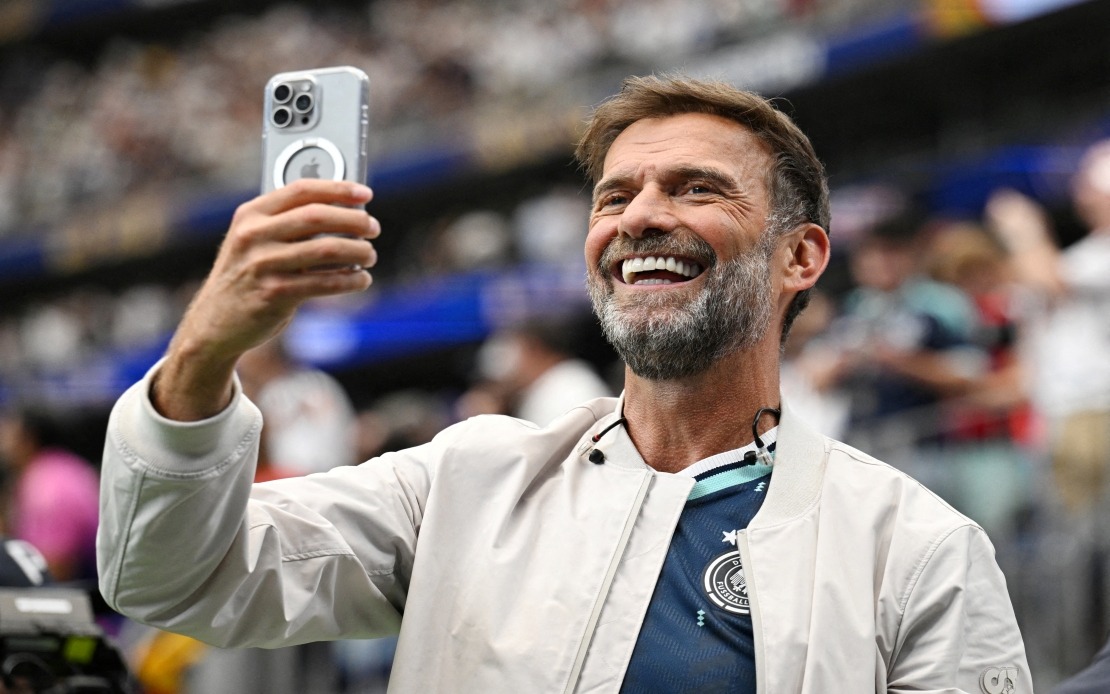
Jürgen Klopp has publicly confirmed that he is engaged in substantive conversations with the German Football Federation regarding the vacant national team coaching position, a role that became available following Julian Nagelsmann's resignation on Friday. Speaking to MagentaTV from New York, the renowned tactician indicated he feels refreshed and capable of taking on such a challenging appointment, yet stressed that meaningful progress will require extended deliberation rather than hasty decisions.
Nagelsmann's departure came in the aftermath of Germany's disappointing elimination from the World Cup at the group stage, where the team fell to Paraguay on penalty kicks. The DFB subsequently moved to identify a successor, with Klopp emerging as a leading contender given his exceptional track record in elite European football. However, the federation's approach to Klopp signals recognition that the underlying issues confronting German football transcend any single individual's tenure, a nuance the former Borussia Dortmund and Liverpool boss underscored during his television appearance.
Klopp's characterisation of the situation reveals the complexity surrounding the DFB's predicament. He articulated that the fundamental problems embedded within German football and the national team structure cannot be attributed solely to Nagelsmann's stewardship. This assessment carries weight given Klopp's extensive experience navigating high-pressure environments and reconstructing struggling organisations. His emphasis on intensive discussions suggests that any potential agreement would require clarity on structural reforms, support systems, and long-term strategic direction rather than merely installing a new figurehead.
The timing of Klopp's candidacy is particularly significant for the broader European football landscape. Since departing Liverpool in the summer of 2024, Klopp has maintained a presence in professional football as Head of Global Soccer at Red Bull, a position that has allowed him to observe the sport from a different vantage point whilst maintaining connections across the elite coaching ecosystem. This transition period appears to have provided him with renewed energy and perspective, positioning him as a potentially transformative figure for German national team ambitions.
Klopp's respectful acknowledgment of Nagelsmann as an "extraordinary coach" demonstrates diplomatic awareness whilst simultaneously reinforcing the narrative that Germany's problems extend beyond individual personnel. He suggested that circumstances might have evolved entirely differently had the team successfully navigated the World Cup campaign, highlighting how cruelly football outcomes can overshadow strategic and tactical competence. This framing absolves Nagelsmann of responsibility whilst maintaining focus on systemic challenges.
A critical complication in potential negotiations involves Klopp's existing contractual commitments to Red Bull, which extend through 2029. Rather than dismissing this obstacle, Klopp has characterised it as manageable through dialogue with his current employer, Oliver Mintzlaff. His articulation of the need for "a solution" suggests confidence that Red Bull would not obstruct his transition to the Germany position, particularly if negotiations prioritise protecting Red Bull's institutional reputation and interests. This diplomatic approach reflects Klopp's sophisticated understanding of stakeholder management across competing organisations.
For Malaysian football observers and Southeast Asian sports enthusiasts more broadly, Klopp's potential appointment carries intriguing implications. German football has historically served as a tactical and strategic reference point for developing nations seeking to establish professional football infrastructure and competitive frameworks. A Klopp-led German national team renaissance could influence coaching philosophies and organisational approaches throughout Asia and beyond, particularly given his emphasis on systemic thinking rather than purely technical interventions.
The protracted timeline Klopp anticipated underscores that the German Football Federation cannot simply announce a hire and move forward. Instead, constructive negotiations must address how the DFB intends to provide infrastructure support, establish realistic objectives accounting for Germany's present squad capabilities, and clarify the philosophical direction of the national team programme. These deliberations will inevitably involve multiple stakeholders within German football governance, creating complexity beyond a bilateral arrangement between Klopp and the federation.
Klopp's current situation represents a rare institutional convergence. He enters discussions fully recharged and cognitively sharp following his Liverpool experience, the DFB requires transformational leadership to restore competitive credibility, and Red Bull presumably recognises the prestige associated with releasing its soccer executive to shepherd one of world football's most significant national teams. Whether these interests align sufficiently to produce agreement remains uncertain, but Klopp's measured optimism suggests genuine belief in the possibility of constructive resolution.

