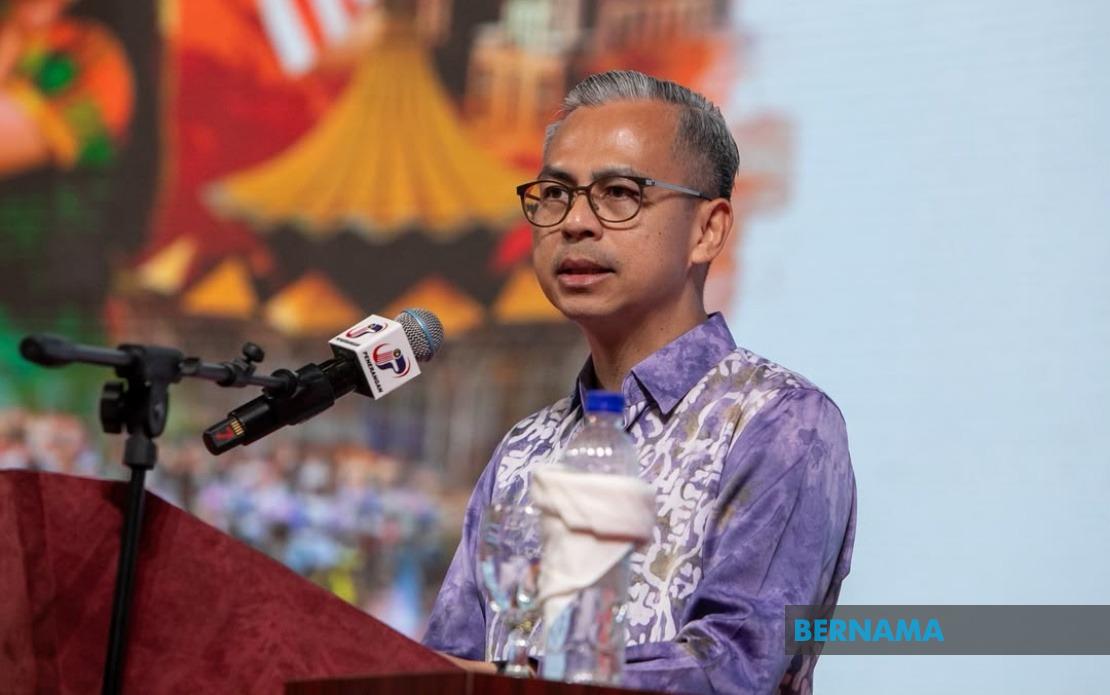
The Kembara Merdeka Jalur Gemilang convoy is set to maintain its prominent role in cultivating patriotic spirit and strengthening bonds of national unity among Malaysians, Communications Minister Datuk Seri Fahmi Fadzil declared during the official launch of this year's National Month and Malaysia Day celebrations in Ipoh. Speaking at the Sultan Azlan Shah Ministry of Health Training Institute in Tanjung Rambutan, Fahmi emphasised that the annual convoy initiative would remain a centrepiece of the 2026 festivities, which will operate under the unifying banner of Malaysia MADANI with the prosperity theme 'Kesejahteraan Dinikmati' or Shared Prosperity.
The programme underscores the government's continued commitment to deepening Malaysians' appreciation for the nation's hard-won independence and sovereignty, particularly as the country advances into a new phase of development and social cohesion. By sustaining this mobile celebration across regions, authorities aim to reach diverse communities and inspire collective pride in shared national identity, transcending geographical and demographic boundaries that often characterise the Malaysian populace. The convoy's decentralised nature makes it an effective instrument for disseminating patriotic messaging beyond urban centres, ensuring that provincial and rural areas participate equally in commemorating the nation's founding principles.
While this year's celebrations will proceed with careful fiscal management and judicious use of available government resources, Fahmi stressed that the core mission of rekindling love for Malaysia and promoting civic consciousness remains unwavering. The measured approach reflects broader budgetary discipline across government agencies, yet officials have indicated that patriotic endeavours will not suffer substantive diminishment in scope or impact. This balancing act—achieving meaningful celebration within constrained financial parameters—represents a practical challenge facing many national programmes in the current economic climate.
A complementary initiative gaining prominence is the 'One House, One Jalur Gemilang' campaign, which seeks to encourage individual households to display the national flag as a tangible expression of Malaysian sovereignty and collective pride. This grassroots mobilisation strategy transforms private domestic spaces into nodes of patriotic expression, effectively amplifying the government's unifying message through citizen participation rather than top-down directives alone. Such initiatives recognise that sustained national unity requires embedding patriotic sentiment within everyday life and personal choice, rather than confining ceremonial nationalism to official events and public venues.
The launch event, held at the training institute in Perak's Tanjung Rambutan, drew high-level political representation, with Prime Minister Datuk Seri Anwar Ibrahim presiding over proceedings. The presence of National Unity Minister Datuk Aaron Ago Dagang and Perak Menteri Besar Datuk Seri Saarani Mohamad underscored the multi-layered governmental engagement required to execute nationwide patriotic campaigns effectively. Their collective attendance signalled alignment across federal and state administrations in advancing this year's commemorative agenda, a coordination that proves essential for orchestrating synchronised celebrations across Malaysia's diverse political landscape.
The Malaysia MADANI framework itself reflects the current administration's broader developmental philosophy, emphasising inclusive prosperity and shared advancement as cornerstones of national progress. By framing National Month celebrations within this ideological context, the government attempts to link historical commemoration with contemporary policy objectives, suggesting that honouring independence simultaneously entails pursuing economic and social wellbeing for all Malaysians. This conceptual linkage positions patriotism not merely as historical remembrance but as an active commitment to realising the nation's founding aspirations for equitable development and social justice.
The timing of these announcements, coinciding with the official campaign launch in July, allows several months for grassroots mobilisation and organisational preparation ahead of August's National Month and September's Malaysia Day. This extended runway enables community groups, educational institutions, and local authorities to integrate patriotic activities into their annual calendars, ensuring maximum participation and meaningful engagement rather than perfunctory observance. The extended lead time also permits media campaigns and promotional efforts to build anticipatory momentum among the public.
For Malaysian readers particularly, these initiatives carry significance beyond ceremonial import. The emphasis on unity through patriotic expression acknowledges the delicate balance required to maintain social cohesion within a pluralistic society encompassing diverse ethnic, religious, and regional communities. By positioning patriotism as inclusive rather than exclusionary, and by emphasising shared prosperity as a unifying goal, authorities attempt to reframe national identity as a collective endeavour benefiting all Malaysians regardless of background. This approach contrasts with narrower conceptions of patriotism that might privilege particular communities or ideologies.
Regionally, Malaysia's sustained investment in patriotic programming reflects broader Southeast Asian trends wherein governments employ national commemoration as tools for strengthening internal unity and projecting stable governance. Neighbouring countries similarly utilise flag campaigns and mobile celebrations to consolidate national consciousness, particularly in plural societies navigating complex historical legacies and contemporary development pressures. Malaysia's specific approach, blending historical remembrance with prosperity messaging, offers a model worth observing as other regional governments refine their own nation-building strategies.
The convoy initiative also serves practical diplomatic and administrative functions, facilitating direct government-to-citizen communication and demonstrating institutional responsiveness to provincial populations who might otherwise feel disconnected from federal decision-making centres. By bringing patriotic celebrations directly to communities, authorities reinforce the perception of inclusive governance reaching beyond Kuala Lumpur's political establishment. This mobile approach democratises access to official celebrations, ensuring that geographic location does not determine citizens' opportunities for meaningful participation in national commemoration.
Looking forward, sustained investment in initiatives like the KMJG convoy and the One House, One Jalur Gemilang campaign will likely feature prominently in the government's annual calendar, particularly as Malaysia navigates evolving internal and external challenges requiring cohesive national responses. Whether economic uncertainties, infrastructure development, or regional geopolitical dynamics, having an engaged and patriotic populace united around shared national purposes provides governments with valuable social capital for implementing necessary policies and mobilising collective effort toward common goals. The symbolic importance of these patriotic initiatives thus extends beyond ceremonial significance into instrumental governance, making their continuation and evolution integral to Malaysia's ongoing development trajectory.

