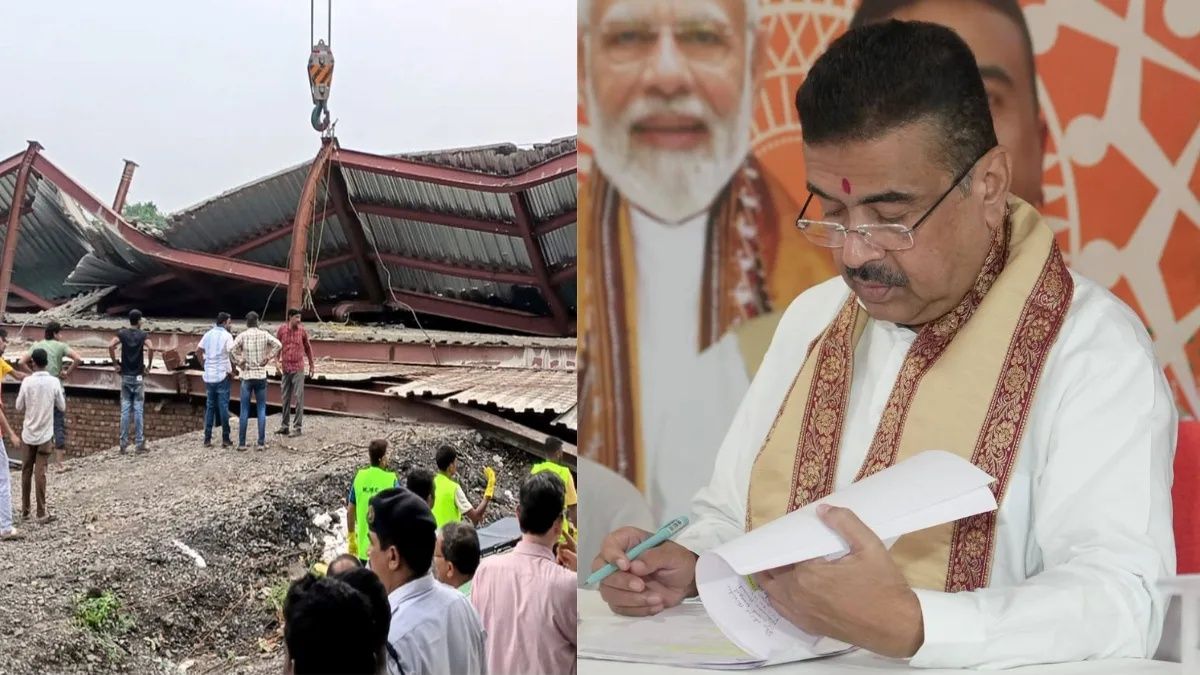
A warehouse structure in Kolkata's Taratala neighbourhood has claimed 11 lives as rescue operations stretched into a second day on Thursday, with fears that additional workers remain trapped beneath the rubble. The latest victim was recovered around 1.15pm and brought to the Trauma Care Centre at SSKM Hospital, though identification of the deceased has yet to be confirmed. The incident has ignited intense scrutiny of the building approval process and prompted wide-ranging structural safeguards across the eastern Indian metropolis.
The rescue effort represents a coordinated response involving multiple tiers of government, with personnel from the Indian Army, the National Disaster Response Force (NDRF), and other emergency services continuing operations at the site. This seamless coordination between central and state authorities underscores the scale of the crisis, though uncertainty persists regarding how many individuals may still be buried under the collapsed structure. The ongoing search has been coupled with a parallel investigation into the circumstances that led to the warehouse's failure.
West Bengal Chief Minister Suvendu Adhikari has launched a forceful attack on the Kolkata Municipal Corporation (KMC) administration that approved the building plan, at that time controlled by the Trinamool Congress (TMC). Speaking in the assembly, he presented documentary evidence suggesting that the warehouse design contained significant structural deficiencies that should have prevented its approval. The chief minister cited documents bearing the signature of former Mayor Firhad Hakim as proof that the sanctioning process was compromised, raising serious questions about the technical competence and integrity of engineers and officials who endorsed the project.
Adhikari's statements suggest a pattern of systemic failure extending beyond a single project. He alleged that the erstwhile TMC-led administration had permitted corruption and the extraction of "cut money"—unofficial payments—to flourish, transforming Kolkata into what he termed a "city of death." These accusations reflect broader tensions within West Bengal's political landscape, where regulatory oversight and accountability mechanisms have come under intense scrutiny. The chief minister vowed that no shortcuts would be taken in the investigation, emphasising the government's commitment to uncovering all parties responsible for the disaster.
Five individuals have been arrested in connection with the collapse, including the construction company's supervisor, the iron structure fabricator, the land lessee, a labour contractor with ties to Trimex, and a broker involved in securing KMC approval. However, the primary accused, identified as Azgar, remains at large. The breadth of arrests suggests that multiple layers of oversight failed to prevent the deployment of a dangerously flawed structure, pointing to either deliberate negligence or systemic incompetence within the approval and construction processes.
In response to the disaster, Adhikari announced an unprecedented suspension of all non-essential construction activities across multiple jurisdictions for the next four weeks. This moratorium covers the Kolkata Municipal area as well as eight surrounding districts and municipalities including Rajarhat-New Town, Maheshtala, Budge Budge, Pujali, Bishnupur, Sonarpur, and Baruipur. The scope of this measure reflects the government's determination to prevent similar incidents and addresses widespread anxiety among residents and business owners about the safety of existing structures.
During the suspension period, the government has initiated a comprehensive audit of all previously approved building plans across the affected regions. This preventative mechanism aims to identify and remediate structural defects before they pose a threat to occupants. A high-level committee chaired by Additional Chief Secretary Rajesh Pandey has been constituted to oversee the audit. The committee draws on expertise from multiple sectors, including representatives from IIT Kharagpur, Rail India Technical and Economic Service (RITES), Indian Railway Construction Limited (IRCON), the Fire Services Department, the Public Works Department, and the KMC itself.
The composition of the oversight committee reflects a deliberate effort to bring independent technical scrutiny to the verification process. The inclusion of premier technical institutions and railway engineering bodies signals that the government intends to apply rigorous, institution-backed standards rather than relying solely on municipal officials whose competence has been called into question. This approach may establish a template for building safety protocols across India's eastern regions, where rapid urbanisation has often outpaced the development of robust regulatory frameworks.
Adhikari has made clear that accountability will extend beyond imprisonment for those found guilty. The government has signalled its willingness to confiscate the property of wrongdoers and redirect proceeds toward victim compensation, a significant deterrent that moves beyond conventional criminal penalties. This approach acknowledges that financial penalties imposed through the justice system may prove insufficient to address the scale of harm inflicted on the families of the deceased and survivors. By threatening asset seizure, the government aims to create a tangible cost for negligence and corruption that extends into the personal financial sphere of those responsible.
The Taratala warehouse collapse carries implications extending beyond Kolkata. The incident underscores vulnerabilities in building approval systems across Indian cities, where rapid development and bureaucratic pressures often compromise safety standards. For Malaysian readers, the case offers a cautionary tale about the risks of inadequate regulatory oversight during periods of rapid urban expansion. Southeast Asian nations experiencing similar construction booms would benefit from studying how Kolkata is responding to structural failures and implementing more stringent verification mechanisms before disasters occur rather than after.
The disaster also highlights the critical importance of independent technical review in construction approvals. As cities across South and Southeast Asia expand, the delegation of safety assessment to municipal bodies that may lack resources, expertise, or independence from political interference creates systemic vulnerability. The inclusion of premier technical institutions in West Bengal's audit process represents a recognition that building safety requires expertise that often resides outside municipal bureaucracies. This model suggests that governments investing in urban infrastructure should establish parallel review mechanisms staffed by institutions with reputational stakes in accurate assessment.
Beyond the immediate rescue and investigation phases, the four-week construction suspension and comprehensive audit represent an effort to establish confidence in the built environment. Public trust in building safety fundamentally affects property markets, labour participation in the construction sector, and urban migration patterns. The visible commitment to scrutiny and accountability demonstrated by the chief minister's actions serves to reassure residents that government is taking the crisis seriously. However, sustained confidence will depend on whether the audit process produces meaningful reforms and whether punitive measures against the guilty are pursued with transparency and rigor.
The coordination between central and state authorities in the rescue operation demonstrates that India's disaster response mechanisms, when mobilised, can function effectively across jurisdictional boundaries. The presence of the NDRF and army personnel from the outset suggests that building collapse incidents are treated with appropriate urgency by national authorities. This established capacity for rapid response should ideally be paired with equally robust prevention mechanisms. The challenge for West Bengal and other Indian states lies in translating the energy and resources deployed during crisis response into the more mundane but essential work of systematic safety review and regulatory reform that prevents disasters from occurring in the first place.

