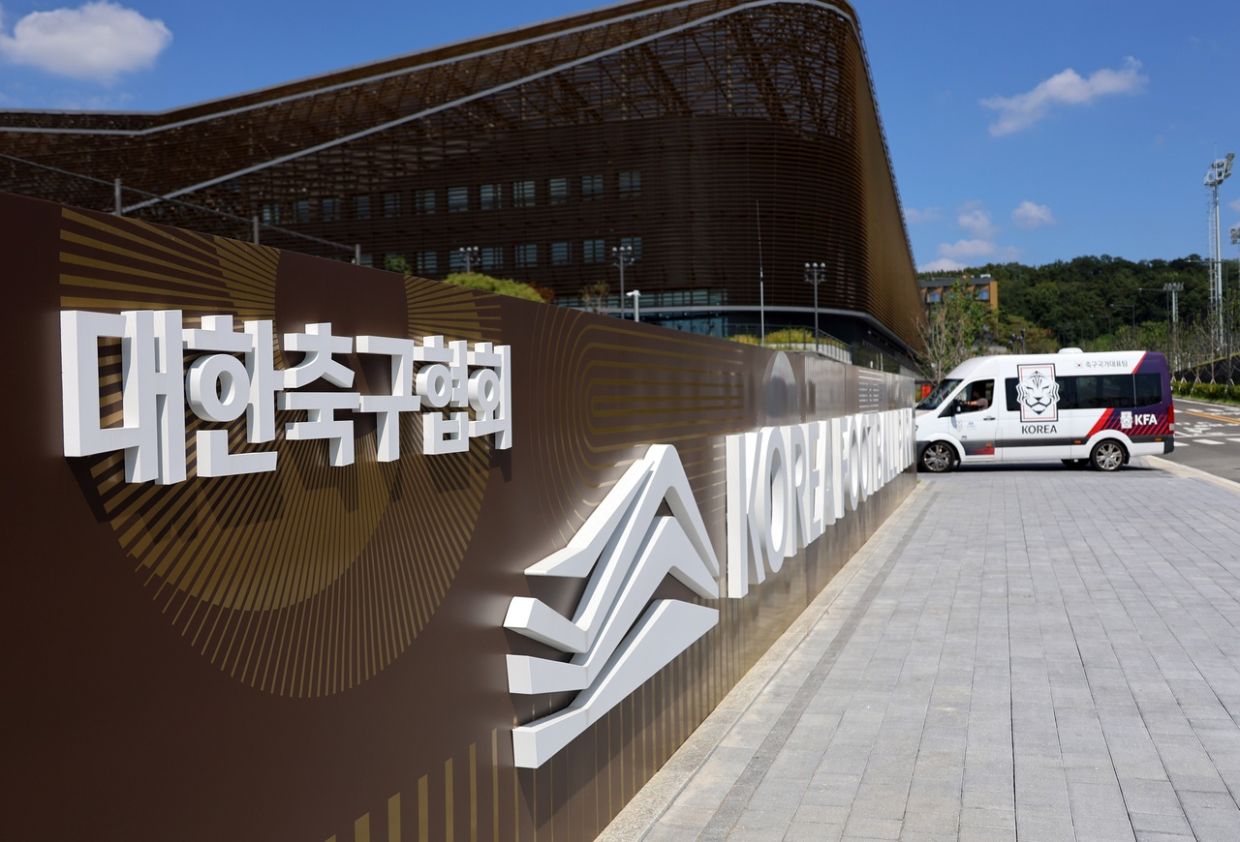
A deepening scandal involving the Korea Football Association's alleged misuse of corporate funds to entertain foreign match officials has begun reverberating across East Asia's football landscape, threatening to damage the sport's reputation in the region. The controversy, which centred on an audit uncovered more than a decade after the alleged incidents, has already prompted investigation by Japan's football governing body and raised questions about the integrity of international matches played during a critical period for regional qualification contests.
The Japan Football Association confirmed on August 9 that it is examining the conduct of four Japanese referees implicated in the allegations. According to Kyodo News, the JFA intends to complete its investigation and release findings publicly once the inquiry concludes. This response marks the first significant international consequence stemming from the revelations, signalling that football bodies across the region are taking the matter seriously rather than dismissing it as an isolated domestic issue.
The underlying allegations originate from a 2016 internal audit conducted by South Korea's Ministry of Culture, Sports and Tourism. The findings lay dormant until a JTBC television report on August 6 thrust the matter into public consciousness, prompting widespread scrutiny of the Korea Football Association's administrative practices and governance standards. The audit documented that the KFA deployed corporate credit cards on eight separate occasions to finance entertainment at massage establishments for approximately ten foreign referees and match commissioners involved in seven fixtures—three World Cup and Olympic qualifiers alongside four friendly matches—contested in South Korea between March 2011 and March 2012.
The scale of the alleged misconduct extends beyond simple impropriety. During the period in question, South Korea's national team compiled a record of five victories, two draws, and no defeats across these seven matches, a notably successful run that has inevitably sparked speculation regarding whether match outcomes may have been artificially influenced. South Korean officials have consistently and firmly rejected such insinuations, maintaining that sporting integrity remained uncompromised despite the entertainment provided to officials. The distinction between providing hospitality and directly influencing decisions remains contested, though some Japanese football commentators have cautiously noted that officiating a match does not necessarily confirm that an individual referee personally benefited from the disputed entertainment.
The Korea Football Association's admission came under mounting pressure from multiple directions. A parliamentary hearing examining the organisation's governance structure, combined with a police raid on KFA offices the previous week connected to an entirely separate controversy involving the controversial 2024 appointment of former national team coach Hong Myung-bo, created a perfect storm of institutional scrutiny. Faced with this convergence of crises, the KFA released a statement on Saturday acknowledging public disappointment and pledging comprehensive institutional reforms aimed at restoring transparency and public confidence in the organisation's operations.
Japanese media outlets have already identified two of the referees allegedly involved in the impropriety. One now holds a position as a JFA referee manager overseeing officials in Japan's professional J-League, while another managed the four-person, entirely Japanese match official crew for South Korea's 2012 World Cup qualifier victory against Kuwait. According to the audit, the Kuwait match involved entertainment provisions for two referees, raising uncomfortable questions about the appointment procedures and vetting processes used for international match officials across the region.
The possibility of formal FIFA sanctions and mandatory governance reforms has been raised by international sports media, particularly the International Business Times UK, which flagged the matter on Thursday. However, informed observers within football administration suggest that substantial international discipline remains unlikely given FIFA's existing regulatory framework. The world football body's ethics code typically establishes a statute of limitations ranging from five to ten years for most misconduct categories, meaning the conduct at issue probably falls outside this window of enforceable liability. Moreover, the alleged misconduct does not clearly fit within narrower categories that carry unlimited statutes, such as sexual abuse or exploitation, and most of the referees named in the allegations have already retired from active duty.
The situation mirrors broader governance challenges afflicting East Asian football institutions. The case illustrates how institutional corruption, once embedded in administrative practice, can remain hidden for years before surfacing to damage an organisation's international standing. For Malaysian football authorities and other regional stakeholders, the scandal serves as a cautionary tale about the importance of robust internal controls, independent auditing mechanisms, and transparent communication protocols. The KFA's delayed acknowledgment—occurring over a decade after the alleged conduct—underscores how institutional inertia and inadequate oversight can permit problematic practices to flourish undetected.
A separate criminal investigation in South Korea investigating the allegations was previously terminated due to insufficient evidence, meaning the affair will likely remain confined to administrative and institutional domains rather than progressing to judicial proceedings. This outcome, while potentially frustrating to advocates for accountability, reflects the complexity of prosecuting historical misconduct involving foreign nationals and the evidentiary challenges inherent in investigating sporting impropriety that occurred across international borders.
The geographical and temporal distance from the original incidents may ultimately limit the scandal's practical consequences, yet its symbolic significance for football governance across Asia should not be underestimated. The affair raises fundamental questions about how regional football bodies ensure match official integrity, vet personnel for international competitions, and maintain institutional standards during periods of intense competitive pressure. As investigations proceed in Japan and elsewhere, the episode will likely prompt reflection among football administrators across Southeast Asia regarding the adequacy of existing safeguards and the necessity for strengthened institutional accountability measures across the region's football ecosystem.

