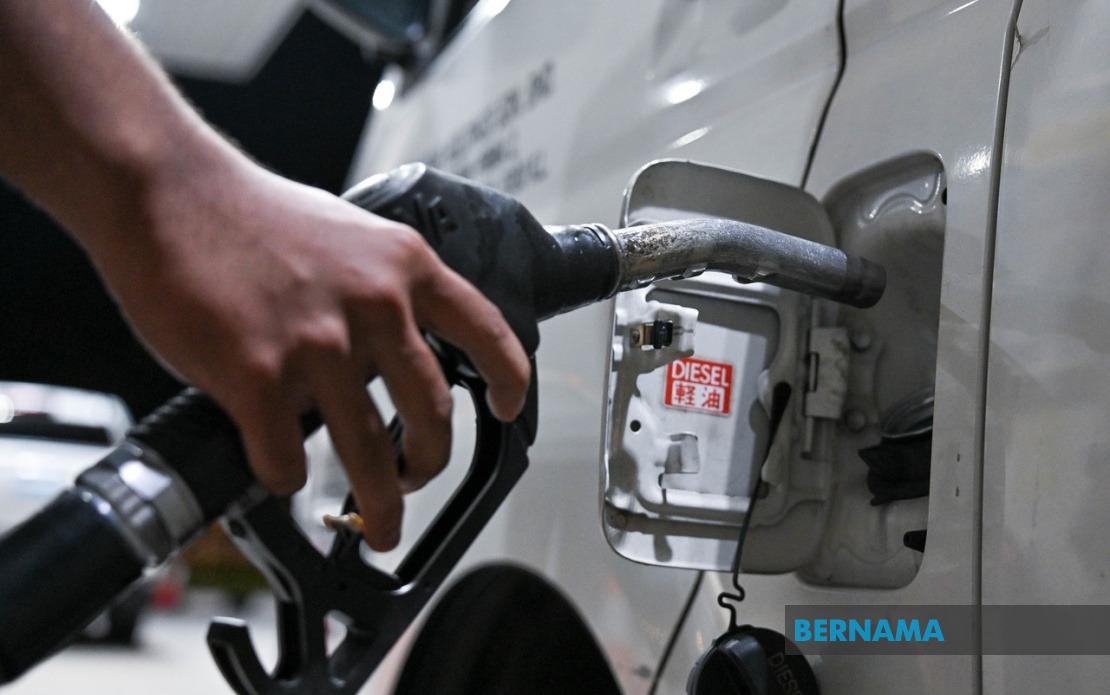
The Ministry of Domestic Trade and Cost of Living (KPDN) has formally revoked restrictions on diesel sales to land transport vehicles across Sabah, Sarawak, and the Federal Territory of Labuan, removing the previous purchase ceilings of 50, 100, and 150 liters that had governed transactions in these regions. The lifting of these constraints took effect on July 1, marking a significant shift in how the government manages fuel distribution in Malaysia's eastern territories.
This administrative decision follows Prime Minister Datuk Seri Anwar Ibrahim's June 21 announcement establishing a unified subsidised diesel price of RM2.10 per liter under the BUDI Diesel Programme. By standardizing pricing across the country, the government sought to create a more equitable fuel subsidy system and reduce regional discrepancies that had previously required transaction caps to manage allocation challenges. The price harmonization represents a key component of Putrajaya's broader approach to managing fuel subsidies more transparently and efficiently.
KPDN Director-General of Enforcement Datuk Azman Adam explained that the cancellation was necessary to align with the new purchasing mechanism launched simultaneously. Under this reformed system, eligible consumers now purchase subsidised diesel using their MyKad identification at participating petrol stations, replacing the previous quota-based restrictions. This technological pivot shifts diesel distribution from a volume-controlled model to an identity-verified one, fundamentally altering how the government tracks and distributes fuel subsidies.
The simultaneous introduction of the MyKad-based purchasing system represents a modernization effort aimed at preventing subsidy leakage and ensuring that fuel support reaches intended beneficiaries. By linking purchases directly to individual identification cards, authorities can monitor consumption patterns and prevent bulk purchases that might otherwise find their way to the black market or unauthorized commercial use. This data-driven approach contrasts sharply with the previous quota system, which relied on blunt purchase limits to manage supply and demand.
Retailers across Sabah, Sarawak, and Labuan have been formally notified that the Directive on Implementing Control of Diesel Sales to Land Transport Vehicles, originally issued on March 27, 2026, no longer applies. All petrol station operators holding retail scheduled controlled goods licenses in these jurisdictions must now comply with the new framework and prepare their point-of-sale systems to process MyKad verification. The transition period has been brief, requiring rapid operational adjustments by fuel retailers in these regions.
For transporters and commercial vehicle operators in East Malaysia, the removal of purchase restrictions could provide operational flexibility, particularly for those managing fleets or long-distance routes where fuel consumption is substantial. However, this freedom comes with the implicit expectation that only eligible consumers will access subsidised diesel, with the MyKad system theoretically preventing unauthorized users from obtaining government-supported fuel at artificially controlled prices. The practical impact on fuel costs for legitimate transport operators remains to be fully assessed.
The KPDN has expressed confidence that the new mechanism will optimize subsidy distribution while serving eligible consumers more effectively. Officials believe that combining price standardization with identity verification creates a more transparent and efficient subsidy regime than previous arrangements. The ministry has urged all stakeholders, including retailers, transport operators, and consumers, to fully cooperate with the new system to ensure smooth implementation and sustained success.
The timing of this change coincides with broader Malaysian government efforts to rationalize subsidy spending while maintaining affordability for essential services like transportation. By moving from a quota-based model to a verification-based one, authorities can potentially collect more granular data on fuel consumption patterns, informing future policy decisions. This shift toward digitized subsidy management reflects global trends in targeted welfare delivery, though questions remain about the system's effectiveness in preventing misuse.
For Southeast Asian observers, Malaysia's approach to fuel subsidy reform offers insights into how middle-income nations balance affordability objectives with fiscal sustainability. The integration of national identification systems into subsidy administration demonstrates technological advancement but also raises privacy and implementation concerns that may resonate across the region. Other countries grappling with similar subsidy pressures may examine this model's results over coming months to inform their own policy decisions.

