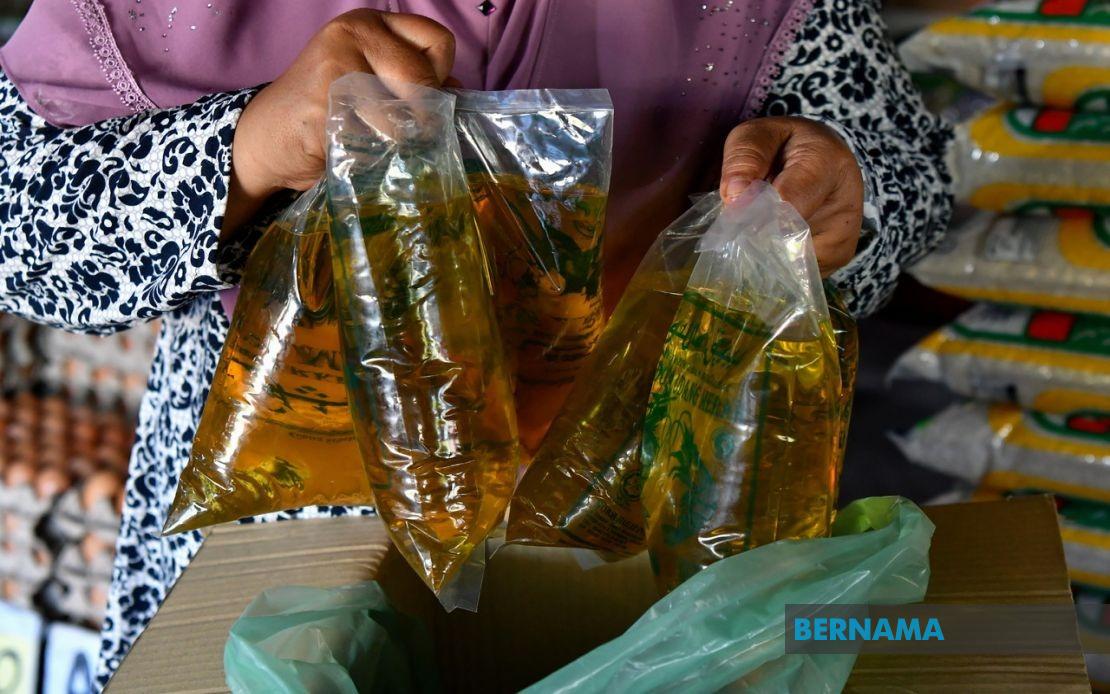
The Domestic Trade and Cost of Living Ministry (KPDN) has committed to reviewing and implementing recommendations from the Public Accounts Committee regarding the country's cooking oil price control and subsidy framework. The announcement comes following the PAC's presentation of its findings to Parliament on July 16, which highlighted systemic vulnerabilities in the existing scheme and proposed structural reforms to improve efficiency and reduce financial leakages. Minister Datuk Armizan Mohd Ali emphasised that the ministry recognises the significance of these recommendations and views them as integral to strengthening the government's management of one of the nation's most sensitive consumer protection programmes.
Central to the reform agenda is the accelerated rollout of the eCOSS (Cooking Oil Stabilisation Scheme System), a digital platform designed to replace manual record-keeping with an automated, tamper-resistant architecture. Introduced in 2023, the system has progressed through two implementation phases: first, gradual integration across supply chain participants, and second, expansion via a mobile application that entered pilot testing in May 2025. The minister highlighted that this technological pivot addresses a critical weakness in the existing framework—the vulnerability of paper-based systems to manipulation, falsification, and deliberate misappropriation of subsidised supplies. By automating verification processes and creating an audit trail, eCOSS aims to eliminate opportunities for black-market diversion and parallel selling, issues that have historically undermined the scheme's cost-effectiveness.
A significant enhancement to the eCOSS platform will involve integration with the new national identity card system being rolled out by the National Registration Department. The upgraded system will enable point-of-sale verification through QR code scanning, automatically cross-referencing purchaser identity with eligibility criteria. This innovation carries particular importance for Malaysia's subsidy targeting objectives: it will prevent non-citizens from accessing subsidised cooking oil, a longstanding enforcement challenge that has contributed to budgetary overruns. By linking digital identity to subsidy entitlement at the moment of transaction, the system creates a technological barrier against ineligible purchases, reducing the administrative burden on individual retailers and wholesalers who currently bear responsibility for manual verification.
Beyond technological solutions, the PAC recommendations advocate for structural changes to the cooking oil refining industry itself. The committee has suggested that KPDN redistribute refining quotas in favour of competitive local companies, counteracting what the PAC identified as excessive dominance by foreign-owned refineries in the supply chain. Presently, the ministry operates without formal quota allocations, instead allowing repackers—the intermediaries between refineries and retailers—to select suppliers based on commercial considerations such as logistics costs, credit availability, pricing, and supply reliability. This market-driven approach, while theoretically efficient, has reportedly concentrated purchasing power with larger, often multinational firms that leverage economies of scale.
The ministry's response to this issue involves graduated intervention measures designed to encourage repackers to source from locally owned refineries without imposing rigid quotas that might disrupt supply chains. These measures include establishing quota replacement requirements—essentially setting minimum purchasing percentages from local refiners—and establishing business matching mechanisms to facilitate direct relationships between domestic refineries and repacking companies. Such an approach attempts to balance two competing policy objectives: maintaining supply chain efficiency while nurturing local industrial capacity. For Malaysian stakeholders in the refining sector, this represents a policy window; local refineries that can demonstrate competitive pricing and reliable supply will have enhanced opportunities to win contracts currently directed toward foreign competitors.
Integration of the eCOSS with the Sumbangan Asas Rahmah (SARA) system represents another dimension of the reform agenda. SARA, the government's targeted assistance programme, provides cash transfers and subsidies to eligible households based on income and demographic criteria. By linking cooking oil subsidy verification directly to SARA beneficiary status, the government seeks to tighten the alignment between benefit eligibility and actual product access. This integration consolidates multiple assistance streams within a single digital infrastructure, simplifying administration and reducing opportunities for individuals to claim benefits across multiple programmes simultaneously—a form of subsidy duplication that has previously inflated costs.
Enforcement represents a crucial but often-neglected dimension of subsidy programme integrity. The minister signalled that KPDN intends to intensify scrutiny across all supply chain participants: refinery operators, repackers, wholesalers, retailers, and logistics providers. Regulatory actions will target entities found to contravene provisions of the Domestic Trade and Consumer Affairs Ministry Act or related legislation. This emphasis reflects recognition that technological and structural reforms create conditions for compliance but do not guarantee it; determined actors may exploit system gaps, collude with officials, or find workarounds. The credibility of the reformed scheme therefore depends substantially on visible, proportionate enforcement that raises the expected cost of non-compliance.
The PAC report itself emerged from broader concerns about cooking oil subsidy sustainability. Malaysia's cooking oil support programme has expanded significantly in recent years as global palm oil prices have fluctuated, creating budget pressures during inflationary periods. The PAC's investigation identified leakage points: subsidised products destined for domestic consumers reaching export markets, ineligible purchasers accessing discounted supplies, and manipulation of pricing data to justify inflated subsidy claims. These findings align with public scrutiny and concerns about subsidy programme efficacy that have surfaced periodically in Malaysian policy discourse and media coverage.
The minister's statement indicates that KPDN's reform process incorporates multiple validation sources. In addition to the PAC report, the ministry is referencing an audit conducted by the National Audit Department in July 2025, which apparently identified similar vulnerabilities and likely recommendations. This multi-institutional approach—PAC recommendations, audit findings, and internal ministry reviews operating in concert—suggests a coordinated effort to address systemic weaknesses rather than ad hoc adjustments. However, the effectiveness of these reforms will ultimately depend on implementation consistency, resource allocation, and sustained political commitment to enforcement, factors that have historically constrained the success of similar initiatives in Malaysia's regulatory environment.
For Malaysian consumers, these reforms carry mixed implications. In the near term, the enhanced verification systems and quota redistribution measures should theoretically improve subsidy targeting, ensuring that support reaches intended beneficiaries and reducing the cross-subsidisation of unintended recipients. Improved supply chain transparency may also create conditions for more stable pricing and more reliable product availability. Conversely, the costs of implementing eCOSS infrastructure, training retailers, and enforcing new regulations will ultimately be borne by government, likely funding from broader budgetary allocations that could otherwise finance additional social programmes. The success of this reform agenda will thus become evident only in subsequent years, when comprehensive data on subsidy expenditure, leakage rates, and price stability can be evaluated against current baselines.

