The Ministry of Housing and Local Government has given the go-ahead to nearly 600 development initiatives spanning Chinese new villages and Indian villages across the country, marking a significant push to uplift community infrastructure in these traditional settlements. The approval of 573 projects in Chinese new villages alongside 21 in Indian villages represents a comprehensive strategy to address long-standing development gaps, with total spending reaching RM73 million in the current financial year.
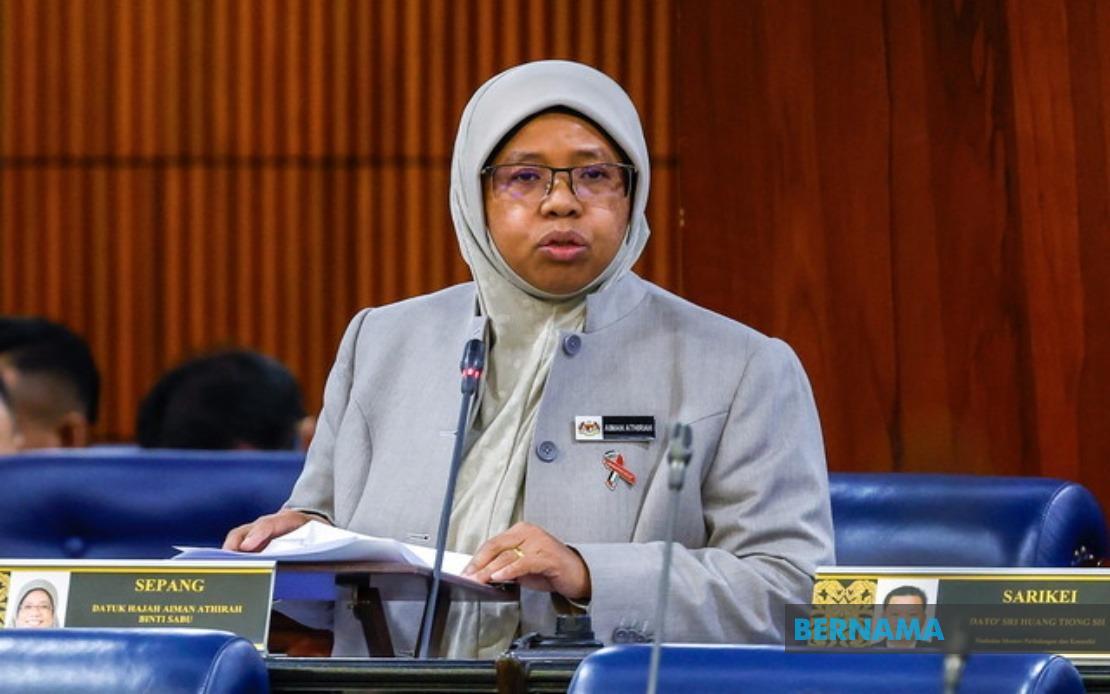
Deputy Minister Datuk Aiman Athirah Sabu outlined the breakdown during parliamentary proceedings, revealing that Chinese new villages have received approvals for 366 infrastructure-focused projects, with 148 already completed and another 218 currently progressing through various stages of construction. This infrastructure strand forms the backbone of the development initiative, targeting roads, water systems, electricity networks, and other essential utilities that form the foundation of livable communities.
Beyond basic infrastructure, the ministry has also channelled resources into residential improvements through the Housing Repair Assistance Programme, which has received approval for 197 separate projects in Chinese new villages. Of these, approximately a quarter have been finished while the majority remain under active implementation, suggesting a phased approach designed to sustain ongoing construction activity throughout the year. Additionally, a dedicated scheme to assist with new village housing construction has cleared 10 projects, though none have begun work yet, indicating these represent future commitments to address housing shortages in these communities.
For Indian villages, the development agenda encompasses a more modest but still significant portfolio of 21 approved projects concentrated across six states. Johor, Melaka, Selangor, Kuala Lumpur, Perak and Negeri Sembilan together account for 18 villages receiving support, with interventions spanning infrastructure development, public amenity improvements and enhanced safety measures. The RM2 million allocated to these initiatives works out to an average of roughly RM111,000 per village, a figure that underscores the targeted nature of the spending.
The implementation timeline for Indian village projects reveals a mixed picture of progress. Five undertakings have already reached completion, whilst 13 remain under construction and are expected to conclude in coming months. Two additional projects are currently navigating procurement processes, the administrative phase that precedes actual ground-level work, whilst another sits in the planning stage gathering technical specifications and securing necessary approvals. This staggered progression reflects the complexity of coordinating development across multiple states and village administrations.
The scale of government commitment to Chinese new village development becomes clearer when viewed across a longer timeframe. Since 2023, the ministry has distributed RM328.9 million for development purposes across these communities, extending benefits to residents distributed among 613 villages nationwide. This figures translates to roughly RM536,000 per village on average, suggesting that while individual projects may be modest, the cumulative effect across hundreds of settlements represents substantial infrastructure transformation.
Indian village support, by contrast, has only recently become a formalized component of the ministry's development agenda. Special allocations designated specifically for Indian villages commenced only in 2025, with RM15 million committed in the inaugural year. This allocation serves 22,144 individual beneficiaries spread across 50 identified Indian villages through 87 separate projects, demonstrating that the government is expanding its reach beyond the long-standing Chinese new village programmes.
The RM15 million dedicated to Indian villages operates through dual mechanisms designed to maximize reach and effectiveness. The larger component, RM10 million, originates directly from the ministry's 2025 budget allocation and encompasses 54 projects executed through departmental channels. A supplementary RM5 million flows through the Indian Community Socioeconomic Development Programme, a dedicated initiative administered by the Malaysian Indian Transformation Unit, commonly known as MITRA, ensuring that development work receives input from specialized community-focused organizations.
For Malaysian readers, these initiatives carry broader significance in terms of regional equity and inclusive development policy. Chinese new villages, established during the emergency period, have historically received attention from development planners, yet continued investment signals government recognition that infrastructure maintenance and upgrading remain ongoing necessities rather than one-time obligations. Similarly, the formalization of Indian village development support marks a pivot toward recognizing communities that had previously received less systematic attention from federal development programmes.
The parliamentary response reveals how development allocation questions remain active concerns for elected representatives. S. Kesavan, the PH MP for Sungai Siput, raised the query about infrastructure provision in both community types, highlighting that awareness of these villages' development needs extends across political constituencies and party lines. This cross-party acknowledgment suggests that infrastructure gaps in traditional settlements represent a recognized challenge demanding sustained policy attention.
From a Southeast Asian perspective, Malaysia's approach to upgrading long-established community settlements offers lessons about managing historical legacies while pursuing contemporary development goals. The parallel treatment of two distinct community types—Chinese new villages and Indian villages—demonstrates a framework that acknowledges different settlement patterns and community needs whilst applying consistent principles of infrastructure development and livelihood improvement.
The completion rates published by the deputy minister indicate variable progress, with roughly 40 percent of Chinese village infrastructure projects finished and 24 percent of Indian village projects concluded. These figures suggest implementation challenges that merit examination, whether through capacity constraints, funding delays, or procurement complexities. Continued monitoring of project completion timelines will be essential to assess whether the ministry can sustain current momentum and deliver promised benefits to village residents within projected timeframes.

