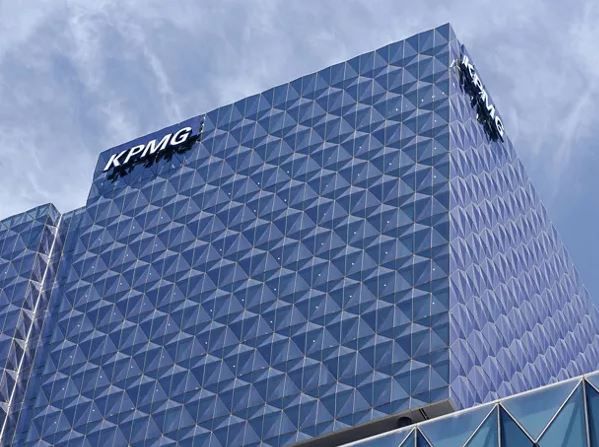
KPMG Australia's appointment of Michael Ebeid as its first independent chairman on Thursday represents an attempt to restore credibility after a major confidentiality breach scandal, yet the move has immediately sparked controversy over whether the firm has genuinely prioritized ethical governance or merely shuffled internal arrangements. Ebeid, former head of public broadcaster SBS, takes the helm following the departure of the previous chairman and two senior partners, changes announced just days earlier as part of a broader restructuring effort intended to address widespread concerns about the firm's culture and compliance practices.
The timing and context of this appointment cannot be separated from the underlying scandal that forced KPMG into crisis management mode. In March, Labor Senator Deborah O'Neill used parliamentary privilege to publicly reveal allegations that KPMG staff had inappropriately accessed confidential board documents belonging to real estate developer Lendlease and used this sensitive information to strengthen the firm's competing bids for major audit contracts. The scandal struck at the heart of what auditing firms are supposed to represent: trustworthiness, confidentiality, and independence from the commercial pressures that shape their business relationships.
What makes Ebeid's appointment particularly contentious is not his professional background, which appears solid, but rather the trajectory of his involvement with KPMG itself. He was initially appointed as an independent adviser to the firm's national board in 2024, before moving to the Asia-Pacific board in 2025, meaning he has been embedded within KPMG's governance structures while the whistleblower allegations were being handled—or mishandled, as it turned out. This prior engagement with the firm during a period when serious compliance failures were occurring raises legitimate questions about what he witnessed, what he knew, and what positions he took on matters now central to his chairmanship mandate.
The parliamentary committee investigating the scandal has released email exchanges involving Ebeid that illustrate this tension starkly. After Senator O'Neill went public with the allegations, Ebeid sent messages characterizing her actions as "very inappropriate and unfair" and dismissing key elements of the whistleblower's account as "completely false." For someone now tasked with restoring trust, integrity, and independent oversight, these emails suggest he approached the scandal not as an independent reviewer of institutional failures but as a defender of the organization under scrutiny. His criticism of the senator rather than his analysis of the substantive allegations raises uncomfortable questions about where his loyalties lie.
The gravity of the underlying misconduct cannot be overlooked. KPMG has now admitted to mishandling the original whistleblower complaint and has launched a fourth investigation after three earlier probes somehow failed to uncover the admitted wrongdoing. This track record suggests either incompetence or something more troubling—a pattern of looking the other way when senior staff behavior might damage the firm's reputation or financial interests. The fact that a fourth investigation became necessary indicates that the firm's internal mechanisms for addressing serious ethical breaches have been fundamentally compromised, which makes the appointment of someone with prior knowledge of and apparent defensiveness about these events problematic.
Barbara Pocock, a Greens senator on the parliamentary committee, has articulated the core concern with surgical precision: Ebeid's appointment represents "a clear conflict of interest" because his prior communications demonstrate his pre-formed views about the very events he is now supposed to investigate and reform. The emails show he was not a neutral observer but an internal stakeholder invested in defending the firm's version of events against external criticism. For a chair tasked with driving "cultural and governance reforms," this background suggests the reforms may be constrained by institutional loyalty rather than by genuine commitment to systemic change.
Ebeid's stated priorities upon taking office—strengthening independent oversight, making integrity central to operations, and driving necessary reforms—sound appropriate for the moment. He has also committed to accelerating the CEO appointment process, with the board expected to confirm a new chief executive before the end of July. Yet these commitments ring somewhat hollow given that the person making them has already demonstrated alignment with the organization's defensive posture toward its accusers. If independent oversight truly becomes central, it might expose uncomfortable truths about how widely the firm's cultural problems extended. If that is what awaits, Ebeid's earlier defense of the firm becomes all the more concerning.
The broader context in Australia amplifies these concerns. The country's government has just signaled it is considering whether to break up the Big Four accounting firms in response to repeated scandals plaguing the sector. This discussion at the highest levels of government reflects deep frustration with the profession's ability or willingness to police itself. KPMG's appointment of Ebeid, therefore, arrives not as a demonstration of serious self-correction but as a test of whether the firm understands the seriousness of the moment. Choosing someone with documented pre-formed views about the scandal—and who has already criticized the external voices drawing attention to the problems—suggests KPMG may not fully grasp how far it must move to restore confidence.
For Southeast Asian readers and regulators, this Australian experience offers instructive lessons. As multinational professional service firms expand operations across the region, questions about their governance, cultural integrity, and ability to police internal misconduct become increasingly relevant. The KPMG case demonstrates that prestigious international firms are not immune to the conflicts of interest and defensive institutional behaviors that can compromise their core functions. When firms respond to scandals by appointing insiders with prior involvement and documented skepticism toward the allegations, they signal that institutional reputation may matter more than institutional reform.
The real test of Ebeid's independence will come in how aggressively he pursues accountability and change. If the fourth investigation uncovers widespread knowledge of misconduct, will he credibly address it, or will his prior emails suggest he will defend the organization's narrative? If cultural reform requires acknowledging systemic problems rather than treating the scandal as an aberration, will someone with his prior positioning embrace that narrative? These questions remain unanswered, and for that reason, Senator Pocock's judgment that the appointment "doesn't pass any ethics test" carries significant weight among observers focused on whether KPMG is genuinely committed to transformation or merely performing it.

