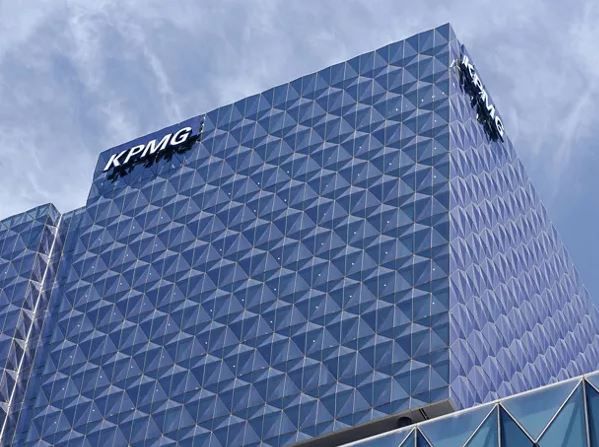
KPMG Australia has moved swiftly to penalise seven employees in the aftermath of a damaging audit leak scandal that has destabilised one of the world's largest professional services firms. The disciplinary action, confirmed on Monday, saw the firm impose financial penalties reaching A$180,000 (US$125,838), alongside a menu of other consequences including formal warnings, career restrictions and reduced performance ratings. The measures underscore management's attempts to contain the reputational fallout from accusations that staff members leveraged inside information to secure lucrative contracts, a practice that has triggered investigations from Australia's corporate regulator and prompted departures at the highest levels of the organisation.
The scandal erupted publicly in March when whistleblower revelations surfaced alleging that KPMG personnel had accessed confidential client data—specifically sensitive board documents from property developer Lendlease—to gain competitive advantage in pitching for audit work. The allegations struck at the heart of professional ethics in the financial services sector, where the sanctity of client confidentiality forms a cornerstone of trust and competitive integrity. Since those initial disclosures, KPMG has faced mounting pressure from major corporate clients and the Australian government, both concerned about the systemic implications of such behaviour within a firm entrusted with auditing Australia's largest listed companies.
The internal investigation that culminated in this week's penalties confirms what many observers had begun to suspect: the conduct was indeed widespread enough to warrant coordinated disciplinary response across the organisation. KPMG's statement acknowledged that internal documents containing sensitive client information were "inappropriately shared" between individuals within the firm's ranks. A company spokesperson characterised the findings as establishing conduct that was fundamentally "unacceptable and inconsistent with our values, policies and obligations to protect client information." This language suggests that the investigation uncovered a pattern rather than isolated incidents, though KPMG has not disclosed specifics about the scope or duration of the information sharing.
Three senior audit partners have already faced financial consequences specifically relating to their misuse of Lendlease board papers, though KPMG has not publicly identified all individuals sanctioned. Among the seven staff members disciplined, two chose to retire from the firm before the formal sanctions were announced, effectively removing themselves from potential further action. This departure of senior personnel compounds the institutional disruption already created by the scandal. Prior to this week's announcements, KPMG's internal investigations had failed to substantiate the allegations—a reversal that raises questions about the robustness of those earlier reviews and whether external pressure and regulatory oversight ultimately prompted a more thorough examination.
The toll on KPMG's leadership has been substantial. The firm's chief executive officer, the head of its audit division and its chairman have all resigned as a direct consequence of the scandal. These departures represent a dramatic upheaval for an organisation that, while global in scope, wields considerable influence in Australia's corporate ecosystem. Such turnover at the apex of the firm typically signals that board and shareholder confidence has been severely eroded, and that remedial action at the executive level was deemed necessary to restore credibility with stakeholders and regulators.
Australia's corporate watchdog, the Australian Securities and Investments Commission (ASIC), continues its own parallel investigation into three partners implicated in the scandal. Two of the three partners under ASIC scrutiny have been publicly named and have subsequently departed KPMG; both individuals were among those fined by KPMG for their role in misusing Lendlease confidential materials. ASIC has withheld the identity of the third partner under investigation, suggesting that the regulator's inquiry may still be at an active stage and that further disciplinary or enforcement action could yet follow. The involvement of Australia's premier securities regulator elevates the scandal beyond an internal corporate matter into a question of systemic compliance with financial services law.
For Malaysian readers and Southeast Asian professionals in the audit and assurance sector, this episode carries considerable significance. The KPMG scandal demonstrates that even globally respected firms with robust compliance frameworks can fall victim to serious breaches of client confidentiality when institutional safeguards are undermined or circumvented. Malaysia's own financial services and corporate governance environment relies heavily on the integrity and independence of audit firms operating across the region. Should similar patterns emerge domestically, regulators like the Malaysian Institute of Accountants and the Securities Commission Malaysia would face comparable challenges in maintaining market confidence.
The reputational damage to KPMG extends beyond Australia's borders. The firm operates extensively throughout Southeast Asia, including Malaysia, where it advises multinational corporations, financial institutions and government entities. Clients in the region will be monitoring KPMG's remediation efforts closely, assessing whether the firm's disciplinary responses and structural reforms are sufficient to warrant continued engagement. The scandal also raises broader questions about the competitive dynamics within global audit firms, where pressure to win and retain clients can create incentives for staff to cross ethical and legal boundaries.
KPMG's public response emphasises corrective action and reinforcement of values, yet observers will scrutinise whether the financial penalties and career restrictions imposed represent meaningful deterrence or amount to manageable costs of doing business. The involvement of ASIC suggests that regulatory consequences at the enforcement level may still materialise, particularly if the investigation uncovers evidence of deliberately orchestrated misconduct rather than isolated lapses in judgment. Such distinctions will likely prove pivotal in determining whether the scandal remains contained within Australia or spawns regulatory investigations across other jurisdictions where KPMG operates, including within the ASEAN region.
The scandal also illuminates broader tensions within professional services globalisation. Large firms must balance local autonomy with global compliance frameworks, and the apparent failure of KPMG's earlier internal investigations raises questions about whether decentralised review processes can adequately police misconduct across geographically dispersed operations. For audit firms and their regulators across Southeast Asia, the KPMG case study offers cautionary lessons about the vulnerability of institutional processes to organisational pressures and the importance of independent oversight mechanisms that can penetrate opaque internal investigations. As KPMG undertakes its remediation and regulatory agencies complete their inquiries, the full implications of the scandal for audit industry standards and client confidence across the Asia-Pacific region will become clearer.

