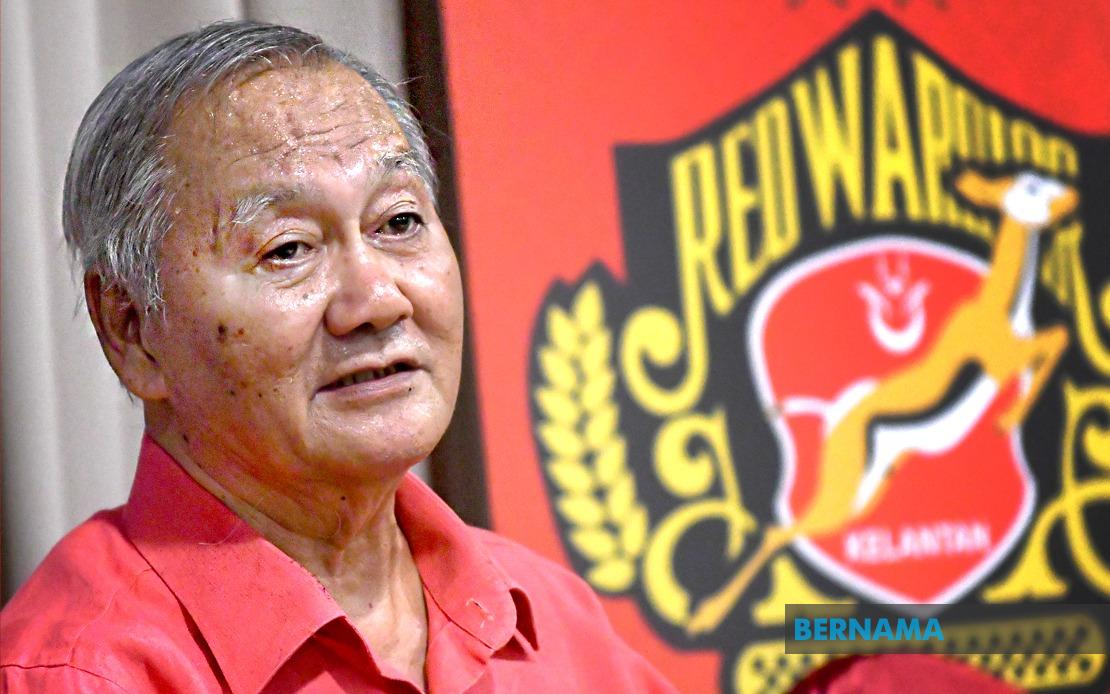
Kelantan Red Warriors FC has put new player signings on hold as the club addresses technical and administrative matters within its management structure, head coach Irfan Bakti Abu Salim revealed in Kota Bharu. The decision reflects a measured approach by the football club, which secured promotion to next season's Super League through legitimate competitive achievement rather than league restructuring or administrative means.
The newly promoted outfit takes considerable pride in earning its place in Malaysia's top division on merit, having performed well enough in the A1 Semi-Pro League to warrant elevation. This accomplishment carries meaningful weight within Malaysian football circles, signifying that KRW FC has demonstrated the competitive capability required to function at a higher level. Irfan Bakti emphasised this achievement, describing the promotion as a source of genuine satisfaction for everyone involved with the organisation.
Despite the positive momentum created by the promotion, the Kelantan-based club recognises that technical complications within its administrative framework must be resolved before pursuing further personnel additions. These unspecified issues prevent the club from undertaking formal player registrations, creating a bottleneck that directly impacts recruitment timelines. The club's management has determined that addressing these foundational matters takes precedence over assembling the full complement of players the squad will eventually require.
The coaching staff remains confident about the team's readiness to compete in the Super League, yet acknowledges the substantial gulf in competitiveness between the second-tier Semi-Pro League and the premier division. The transition represents a significant step up in match intensity, tactical sophistication, and overall player quality. Without resolving the administrative constraints, KRW FC cannot properly strengthen its roster to meet these demands, creating genuine concern about squad depth and capability once the season commences.
Currently, the club continues training with an existing core of 18 to 20 players while awaiting resolution of the management challenges. This restricted squad size allows the coaching staff to maintain fitness levels and tactical cohesion, but falls short of the player numbers typically required to sustain performance across a full league campaign. Injuries, suspensions, or fatigue during congested fixture periods could expose squad limitations significantly.
Management officials are reportedly prioritising the resolution of these technical matters with considerable urgency, recognising that protracted delays could jeopardise the club's Super League readiness. Every week without recruitment capability represents lost opportunity to identify, negotiate, and integrate new players into the squad's tactical framework. The club must satisfy all regulatory requirements mandated by the Malaysian football authorities before competing in the Super League, suggesting that current complications may involve compliance or administrative paperwork rather than purely financial constraints.
The situation underscores the organisational challenges that smaller Malaysian clubs often face when ascending to the top tier. While on-field performance may warrant promotion, off-field infrastructure—including management systems, financial administration, and regulatory compliance—frequently requires strengthening to function effectively at elevated levels. KRW FC's experience illustrates how administrative constraints can derail otherwise successful clubs during critical transition periods.
The anticipated lifting of the player registration ban represents the crucial juncture at which recruitment can finally accelerate. Once these technical obstacles are cleared, the club intends to pursue both domestic and foreign player acquisitions to build competitive strength. The dual approach of recruiting locally and internationally suggests management recognises the need to blend established Malaysian talent with external expertise to close the competitive gap.
For Malaysian football enthusiasts and regional observers, KRW FC's progression to the Super League brings a fresh provincial presence to the country's elite division. The club's commitment to resolving internal issues methodically, rather than rushing into signings despite administrative complications, demonstrates mature organisational thinking. Success at the Super League level will depend heavily on how efficiently management navigates these current challenges and translates resolution into rapid squad enhancement once constraints are lifted.

