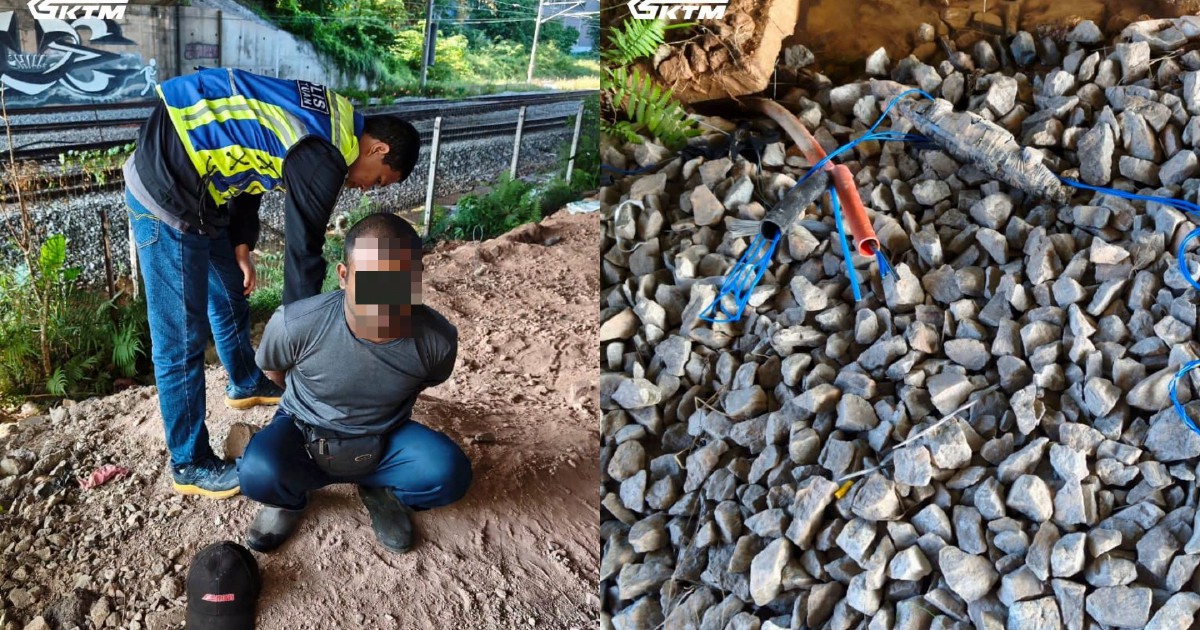
Keretapi Tanah Melayu Bhd (KTMB) auxiliary policemen arrested two individuals in Shah Alam on Tuesday in connection with the theft of railway cables, signalling the rail operator's continued commitment to protecting its critical infrastructure from organised criminal networks.
The apprehension of the two suspects during an active theft operation underscores the vulnerability of Malaysia's railway network to systematic looting. Cable theft along railway lines has emerged as a persistent problem affecting both operational efficiency and public safety, with stolen copper and aluminium components subsequently sold through informal recycling channels for profit.
KTMB operates approximately 400 kilometres of commuter rail routes serving the Klang Valley, making it a frequent target for thieves seeking high-value materials. The railway system's extensive network and numerous isolated sections provide opportunities for criminal activity, particularly in suburban areas such as Shah Alam where enforcement presence may be sporadic.
The auxiliary police force, which supplements KTMB's internal security operations, has intensified patrols along vulnerable sections of the railway corridor to intercept criminal activity before it escalates. These operations typically focus on night-time hours when visibility is low and suspects believe detection risk is minimal.
Cable theft poses considerable dangers beyond simple property loss. Removing electrical infrastructure can disable signalling systems crucial for train safety, potentially leading to accidents or service disruptions affecting hundreds of thousands of daily commuters who depend on KTMB services for their journeys between Kuala Lumpur and suburbs.
The economic impact extends beyond immediate material losses. KTMB must allocate substantial resources to replacing damaged infrastructure, conducting security audits, and maintaining heightened surveillance—costs ultimately borne through operational inefficiencies that can affect service reliability and maintenance standards. Repeated thefts force the operator to prioritise repairs over system improvements and modernisation projects.
Organised groups operating in the Greater Kuala Lumpur region have developed sophisticated methods for removing cables and transporting stolen materials, often working with accomplices operating at scrap metal recycling facilities where stolen goods are laundered into legitimate supply chains. The Shah Alam arrest suggests ongoing police efforts to disrupt these networks at the point of theft.
For Malaysian commuters, cable theft incidents highlight broader security challenges facing the national rail operator as it attempts to maintain service standards across an ageing network. KTMB has previously implemented additional fencing, improved lighting, and increased patrol frequencies in high-risk areas, though resource constraints limit comprehensive coverage.
The apprehension also reflects KTMB's recognition that cable theft requires proactive intervention rather than reactive responses to completed thefts. By deploying auxiliary police to high-risk locations during vulnerable periods, the operator aims to deter criminal activity and gather intelligence on organised theft operations.
These arrests contribute to a broader narrative about infrastructure security across Southeast Asia, where railway networks in Indonesia, Thailand, and Philippines face similar challenges from metal theft. Sharing intelligence and enforcement strategies among regional rail operators has become increasingly important as criminal networks operate across borders.
Looking forward, sustainable solutions to cable theft likely require coordination between KTMB, police authorities, scrap metal recycling regulators, and local government enforcement bodies. Implementing material tracking systems, restricting cash transactions for scrap metal sales, and establishing secured compounds for rail infrastructure materials could reduce incentives for theft while making detection more likely.
The two arrested individuals remain in custody as KTMB continues investigations into whether they are part of a larger criminal enterprise. Police authorities have been asked whether charges will focus on theft, trespassing on railway property, or conspiracy offences that might suggest organised criminal involvement rather than opportunistic criminality.

