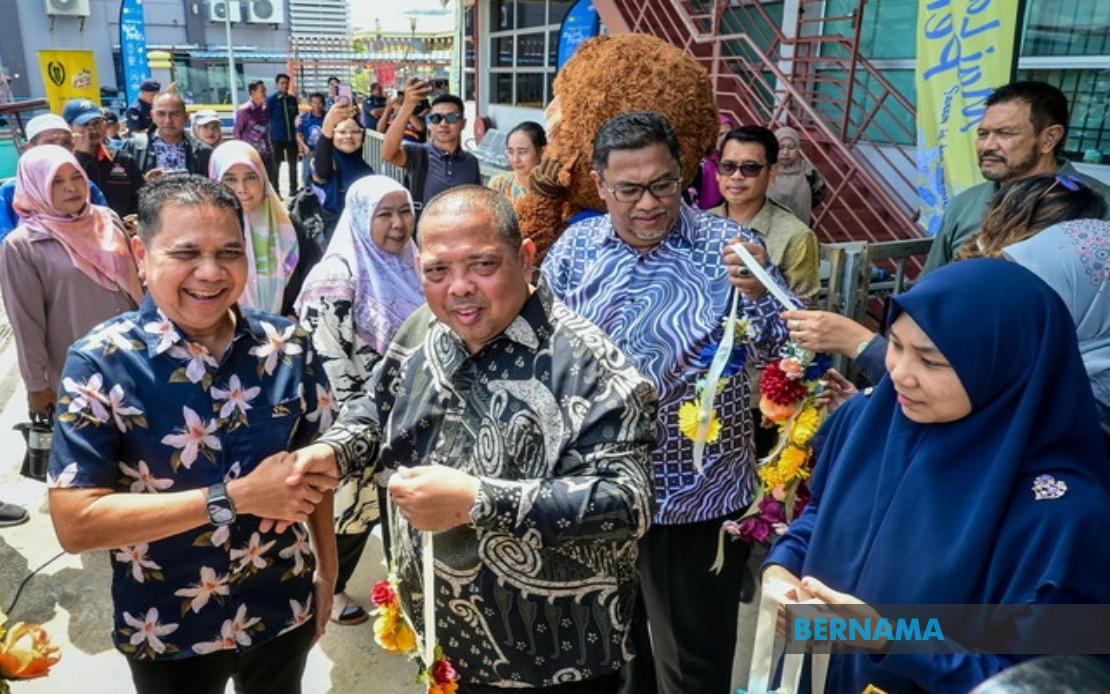
The resumption of ferry operations between Kuala Perlis and Satun represents a significant milestone for Perlis's tourism sector, with state leadership projecting visitor numbers between 5.5 million and six million for the year. Menteri Besar Abu Bakar Hamzah welcomed the restart of the maritime connection at Kuala Perlis Ferry Terminal, marking the end of a suspension that began during the COVID-19 pandemic. The renewal of this crucial transport link signals renewed confidence in regional travel and cross-border tourism recovery in northern Malaysia.
The direct sea route offers tangible advantages for travellers navigating between the two regions. Journeys spanning approximately 40 minutes afford passengers a distinctive alternative to overland routes, complemented by scenic coastal vistas that enhance the travel experience. This aesthetic dimension positions the ferry not merely as functional transport infrastructure but as part of the destination experience itself, potentially attracting travellers seeking varied ways to experience the Perlis-Satun corridor.
State authorities anticipate substantial economic ramifications extending beyond immediate tourism revenue. Abu Bakar emphasised how the ferry service would facilitate two-way visitor flows, particularly drawing Thai shoppers to Kuala Perlis commercial establishments. This cross-border consumer traffic creates direct commercial opportunities for local retailers and service providers, while simultaneously enhancing state fiscal collections through increased economic activity. The emphasis on Thai visitors reflects Perlis's strategic positioning as an accessible retail and leisure destination for residents of neighbouring Satun province.
The reopening carries broader geopolitical significance within Malaysia-Thailand bilateral relations. Enhanced connectivity between communities strengthens interpersonal ties and normalises cross-border mobility, contributing to the deeper regional integration aspirations both nations pursue. For Perlis specifically, improved relations with Satun open opportunities for collaborative tourism development, joint cultural initiatives, and expanded commercial partnerships that transcend traditional governmental frameworks.
Congestion mitigation at land borders provides another compelling justification for ferry service restoration. The Padang Besar crossing frequently experiences bottlenecks during holiday periods when vehicle volumes spike dramatically. By offering a maritime alternative, authorities can distribute traveller flows across multiple entry points, reducing wait times and enhancing border crossing efficiency. This operational benefit extends beyond tourism considerations to encompass trade facilitation and general mobility improvement.
Infrastructural enhancements feature prominently in the state government's vision for the ferry terminal's future development. Plans include installing floating pontoon infrastructure to address persistent berthing challenges arising from tidal fluctuations and shallow water depths. These structural upgrades reflect recognition that initial ferry resumption represents merely a foundational step; sustained operational viability demands continued physical improvements addressing environmental constraints unique to the location.
Roll-on/Roll-off service reactivation remains under consideration as complementary transport capacity. The Ro-Ro system would accommodate vehicles traversing the sea route, appealing to travellers preferring to maintain vehicle use during journeys between Kuala Perlis and Satun. Current discussions with multiple investors suggest serious commitment toward implementing this service component, acknowledging diverse travel preferences within the cross-border market.
Longer-term development ambitions extend to bridge construction spanning approximately two kilometres into the sea, with estimated investment reaching RM500 million. This ambitious infrastructure proposal addresses fundamental navigation challenges affecting the area's waters. A completed bridge would provide permanent, weather-independent connectivity, potentially superseding ferry operations while permanently transforming transport dynamics between Perlis and Thailand. Such megaproject development, though currently in exploratory phases, reflects confidence in the region's strategic importance and development potential.
The shallow navigation channel issue transcends mere operational inconvenience, representing a constraint on maritime activity and economic development. Multiple proposed solutions—pontoon systems, vessel modifications, and eventually fixed bridge infrastructure—demonstrate comprehensive problem-solving approaches. Each option carries distinct operational, economic, and environmental implications requiring careful evaluation against medium and long-term development objectives.
Perlis's tourism sector positioning within Malaysia's broader tourism economy benefits substantially from increased connectivity and accessibility. As regional transport networks expand and improve, smaller states gain competitive advantages in attracting visitors who might otherwise concentrate travel within major destinations. The ferry service contributes to geographic tourism dispersal, supporting Perlis's emergence as a distinct destination offering unique experiences unavailable in more established tourist corridors.
Seasonal fluctuations and weather patterns will inevitably influence ferry operations, creating planning considerations for both tourism operators and potential visitors. Understanding operational realities—service disruption risks, seasonal capacity variations, and schedule reliability—becomes essential for sustainable long-term sector development. Tourist confidence depends partly on transport dependability, necessitating robust contingency planning and transparent communication regarding service parameters.

