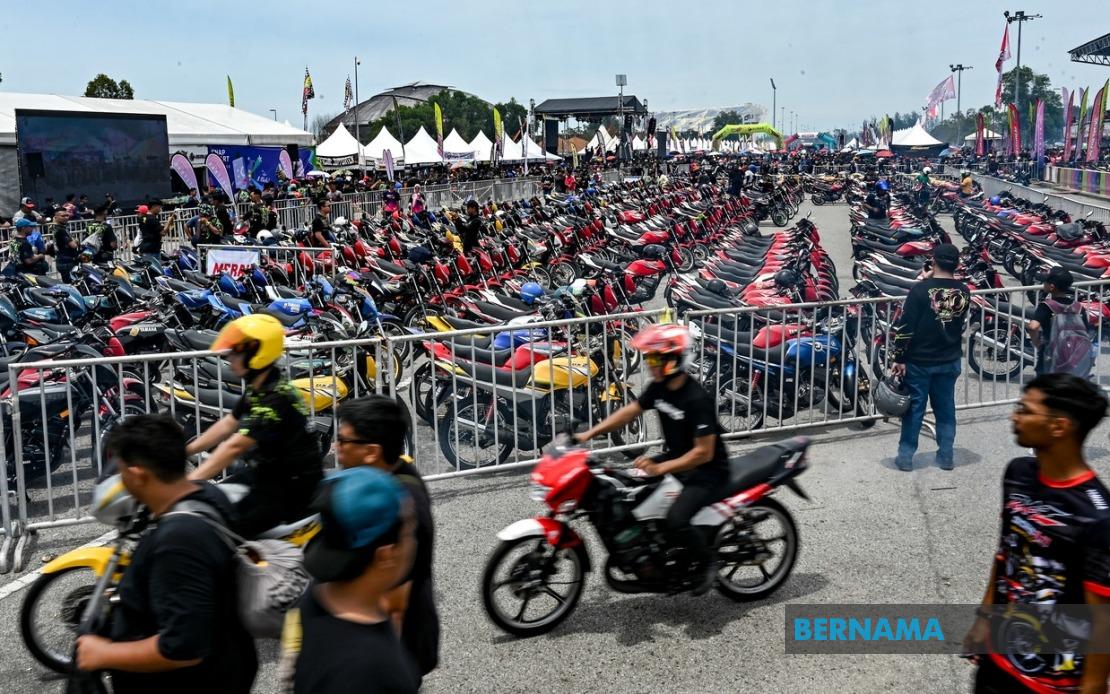
The Kuala Terengganu City Council (MBKT) has revealed that it expended RM40,000 to manage waste generated during the RXZ Members 8.0 motorsport gathering held at the Gong Badak Motor Racing Circuit near Kuala Nerus from Friday to Saturday. The substantial financial outlay underscores growing tensions between the council's enthusiasm for hosting large-scale events and the practical challenges of managing environmental cleanliness in their wake.
According to Kuala Terengganu mayor Lizan Che Mamat, the expenses encompassed multiple operational components including bonus payments for sanitation workers engaged in overtime duties, multiple supplementary trips by waste collection vehicles, and extended shift schedules at the Sungai Ikan disposal facility. These ancillary costs accumulated beyond the council's standard waste management budget, reflecting the unexpected scale of litter generation despite organisers placing receptacles at strategic locations across the venue.
The scale of the cleanup challenge became evident when municipal teams gathered approximately 130 tonnes of solid waste from the motorsport event grounds. The rubbish consisted predominantly of discarded food and beverage containers, a typical consequence of mass gatherings where large crowds consume refreshments across several hours. This volume necessitated coordinating additional collection runs and mobilising extra personnel to prevent refuse from accumulating at the circuit location.
Mayor Lizan expressed frustration that littering persisted even though organisers had installed rubbish receptacles throughout the venue. He acknowledged that while the unexpected turnout of more than 100,000 attendees may have partially overwhelmed available bin capacity, participants should have exercised greater responsibility by depositing waste at designated collection zones rather than dispersing it haphazardly across the grounds. This tension between event success, measured in attendance numbers, and environmental stewardship represents a recurring challenge for Malaysian local authorities managing increasingly popular public gatherings.
The incident has prompted MBKT to reassess its regulatory framework for permitting major events. The council now contemplates mandating that event organisers submit comprehensive solid waste management strategies as a prerequisite for securing approval. This shift would place greater responsibility on promoters to anticipate environmental impacts and establish adequate collection infrastructure before activities commence, potentially distributing cleanup costs more equitably between municipal authorities and commercial event operators.
Simultaneously, MBKT is examining its current cleaning deposit system imposed on event organisers. The council intends to review deposit amounts to determine whether current fees adequately compensate for the genuine financial burdens incurred during post-event sanitation operations. Such adjustments might incentivise organisers to invest in superior waste management planning while ensuring the council recovers reasonable expenses without absorbing disproportionate losses.
Mayor Lizan emphasised that the council welcomes large-scale events, recognising their capacity to generate tourism revenue and stimulate local economic activity. Terengganu's hospitality industry benefits considerably when high-attendance gatherings draw visitors to regional venues, creating accommodation demand, food service opportunities, and spending at local businesses. The RXZ Members 8.0 event, with its motorsport attraction, exemplifies the category of activities that can position the state as a premier entertainment destination.
However, this enthusiasm for event hosting is tempered by recognition that environmental maintenance represents collective responsibility. The mayor's comments reflect a broader Malaysian policy conversation about balancing economic development through tourism and event activation with environmental protection and public health. As Southeast Asian cities compete for major events and visitor numbers, the question of who bears cleanup costs and how waste management should be regulated has become increasingly pertinent.
The situation at Kuala Nerus also illustrates challenges specific to Malaysian event management culture. While developed nations often have strongly established norms regarding public space stewardship at large gatherings, Malaysia continues navigating varied attitudes toward environmental responsibility. Education campaigns emphasising that littering at public events reflects poorly on individual and collective values could complement regulatory reforms and deposit adjustments.
Looking forward, MBKT's proposed requirements for waste management plans align with practices adopted by more established event management authorities globally. By conditioning event approval on demonstrable environmental strategies, councils can reduce post-event costs while encouraging organisers to select venues and plan logistics with sustainability considerations. This approach also enables councils to forecast cleanup expenses more accurately during budget planning cycles.
The RM40,000 expenditure, while substantial for a single event, may represent modest savings compared to potential long-term expenses if environmental degradation goes unaddressed. Implementing stricter requirements now could establish precedent across Malaysian councils managing comparable situations. As Terengganu continues developing its events tourism portfolio, establishing clear environmental governance frameworks during this early phase may prevent more costly problems from accumulating.

