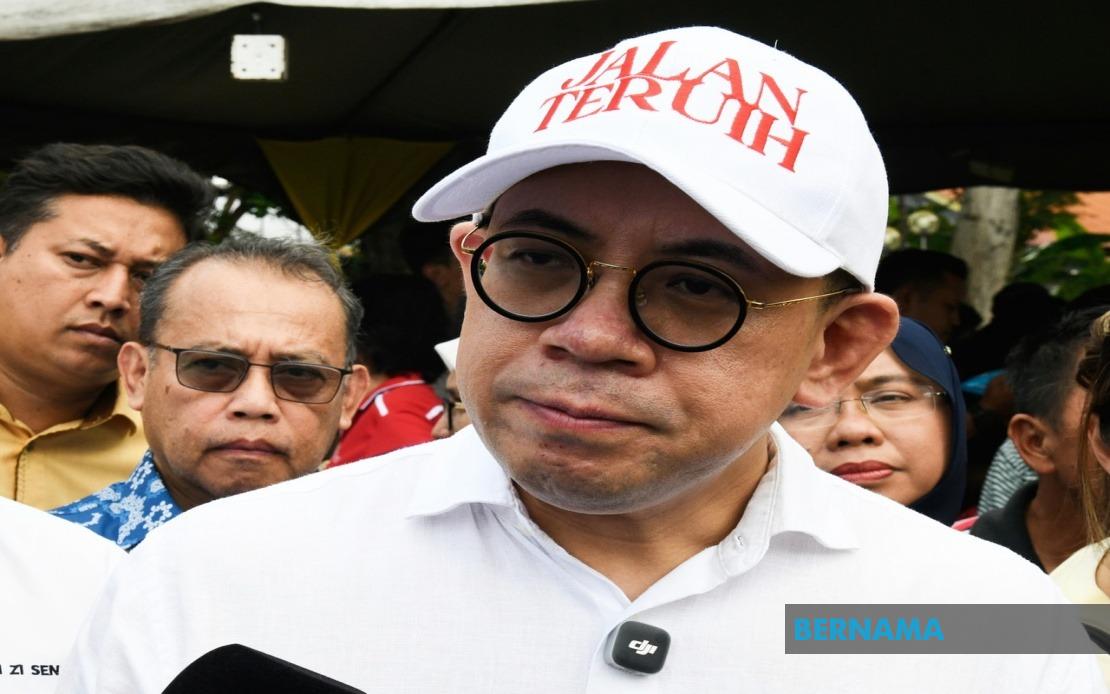
The Ministry of Entrepreneur Development and Cooperatives (KUSKOP) has initiated a comprehensive consultation process across Malaysia to solicit input from the small business community ahead of next year's federal budget cycle. Minister Steven Sim Chee Keong announced the engagement effort during an event in Bukit Mertajam, signalling the government's intention to incorporate ground-level feedback from entrepreneurs, traders and cooperative leaders when submitting recommendations to the Ministry of Finance. The 2027 Budget, which will be tabled in October following drafting next month, represents a critical opportunity to reshape policies affecting Malaysia's vast MSME sector.
The stakeholder engagement encompasses a broad spectrum of business participants, ranging from registered companies and individual entrepreneurs to formal associations representing street traders and cooperative movements. Rather than a single point-in-time submission, KUSKOP anticipates the consultative phase will extend over one to two months, allowing sufficient time for meaningful dialogue across different regions and business categories. This phased approach reflects the complexity of gathering coherent, actionable proposals from a fragmented ecosystem of small enterprises operating under diverse conditions throughout the country. The ministry has already begun preliminary discussions with stakeholders, laying groundwork before the formal budget preparation cycle commenced.
All proposals emerging from these consultations will be structured around the ABCD framework, a strategic prioritisation tool that addresses four fundamental challenges facing Malaysian MSMEs. Productivity Transformation focuses on modernising outdated business practices and introducing efficiency gains. Bureaucratic Simplification aims to reduce regulatory burden and streamline government interactions. Access to Capital addresses persistent financing constraints that limit expansion and technology adoption. Market Accessibility opens pathways for small enterprises to reach larger customer bases and integrate into value chains. By anchoring budget recommendations within this framework, KUSKOP seeks to ensure coherence and strategic alignment rather than fragmented, ad hoc spending decisions.
The framework's emphasis on improved resource allocation signals a shift toward prioritising the needs of smaller enterprises over larger businesses. Sim outlined three concrete priorities: increased funding availability specifically designed for MSMEs and cooperatives, cost reduction in business operations through tax relief or administrative streamlining, and enhanced delivery of government services with particular focus on industrial productivity measures. These priorities reflect accumulated frustrations from the small business community regarding high startup costs, complex licensing procedures and limited access to working capital—challenges that have long constrained entrepreneurial activity in Malaysia despite the sector's recognised importance to employment and innovation.
Prime Minister Datuk Seri Anwar Ibrahim, who concurrently serves as Finance Minister, has outlined the philosophical framework guiding budget preparation. Rather than optimising purely for macroeconomic indicators such as GDP growth or foreign investment inflows, the 2027 Budget will emphasise tangible improvements in living standards for ordinary Malaysians. This principle holds particular significance for MSME proprietors and their employees, as stronger small business performance directly correlates with job creation and income stability in communities nationwide. The government's commitment to linking economic metrics with household welfare suggests that KUSKOP's budget submissions will receive sympathetic consideration if framed in terms of household impact rather than abstract sectoral targets.
The simultaneous launch of the 2026 KUSKOP MADANI Sales Programme (JMK) in Penang demonstrates how budgeted initiatives translate into direct consumer and business benefits. This represents the sixth iteration of the programme in the state, indicating both sustained investment in the platform and accumulated operational experience that improves delivery with each cycle. The JMK programme creates temporary marketplaces where cooperatives and small vendors can reach customers directly while obtaining government recognition, effectively functioning as an incubator for business confidence and customer loyalty building. Such programmes bridge the gap between policy rhetoric and palpable economic opportunity.
The merchandise and service offerings at the Penang launch illustrate the concrete value proposition for ordinary households. Approximately eighty categories of goods were available at discounts ranging from twenty to thirty percent, creating meaningful savings on routine expenditures particularly for middle and lower-income families managing household budgets carefully. Participation by thirteen government agencies representing federal, state and local authorities signifies commitment to decentralising government services, allowing residents to access permits, registrations and information without travelling to distant offices. This integration of commerce and administration within a single venue improves convenience while generating foot traffic and goodwill that benefits participating merchants.
From a regional perspective, Malaysia's approach to MSME policy holds implications for Southeast Asian economic governance more broadly. As a middle-income nation with a sizeable small business sector, Malaysia's policy choices influence neighbouring countries' thinking about appropriate support mechanisms. The emphasis on structural frameworks rather than ad hoc subsidies, combined with simultaneous investment in market-creation initiatives like the JMK programme, reflects pragmatic recognition that sustainable MSME competitiveness derives from systemic improvements rather than temporary financial transfers. This balanced approach provides a model that other ASEAN nations grappling with MSME productivity gaps might study and adapt.
The engagement process now underway will generate detailed intelligence about which policy reforms deliver greatest impact for different business subcategories. Street traders face distinct challenges compared to registered SMEs with formal premises, yet both require attention within a comprehensive policy framework. Rural cooperatives operate under different constraints than their urban counterparts. By maintaining sustained dialogue throughout the consultation period rather than conducting a superficial one-time survey, KUSKOP positions itself to identify cross-cutting priorities as well as sector-specific requirements. This intelligence-gathering phase creates accountability mechanisms whereby stakeholders can later assess whether their submitted proposals materialised in actual budget allocations and policy reforms.
The 2027 Budget cycle arrives as Malaysian MSMEs confront multiple headwinds including rising operational costs, tight credit conditions and intensifying competition from regional suppliers. Against this backdrop, KUSKOP's stakeholder engagement represents more than administrative procedure—it signals governmental willingness to recalibrate policy in response to ground-level economic realities rather than persistent with unchanged approaches. The effectiveness of this consultation process will ultimately determine whether the resulting budget allocations meaningfully enhance the competitiveness and profitability of Malaysia's small enterprise ecosystem or merely recycle existing spending patterns under reformed terminology.

