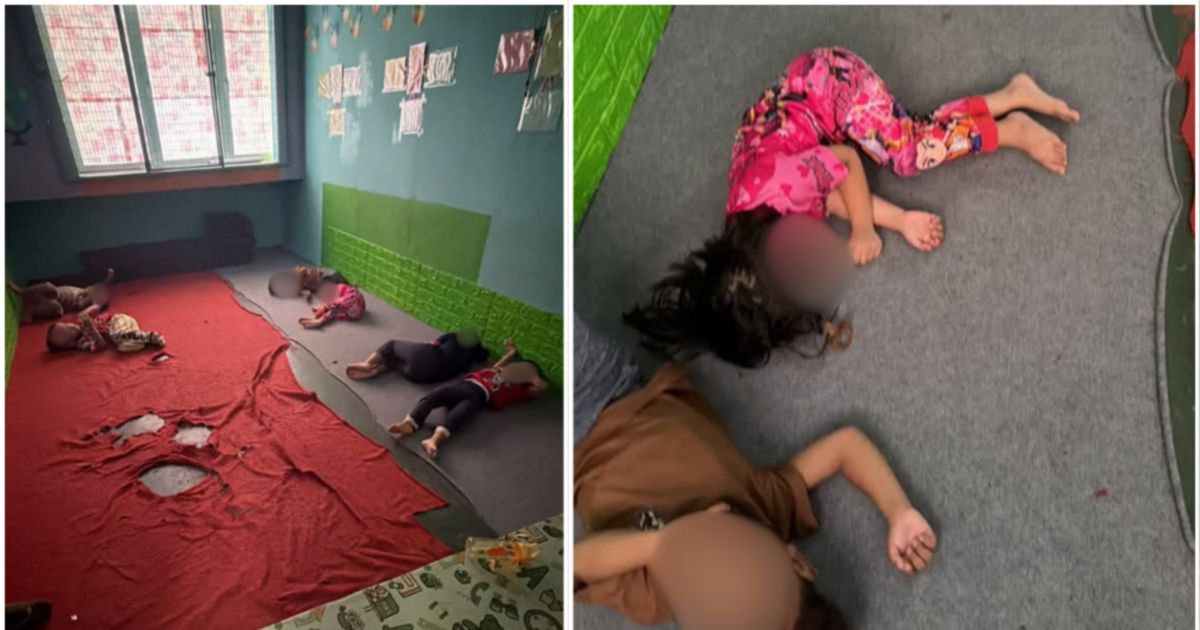
Authorities in Kuala Lumpur have launched a formal investigation into disturbing allegations of child mistreatment at a childcare facility operating in Kuah, Langkawi. The police inquiry centres on reports that young children were systematically deprived of meals and subjected to physical confinement in toilet facilities, raising serious questions about oversight mechanisms and safeguarding standards across Malaysian childcare operations.
The nature of the allegations — involving both nutritional neglect and unlawful confinement — represents some of the most severe forms of child abuse. Such behaviour, if substantiated, would constitute multiple criminal offences under Malaysia's child protection laws and potentially trigger charges relating to causing hurt to minors and unlawful confinement. The specificity of the allegations suggests a pattern of deliberate mistreatment rather than isolated incidents of poor management or negligence.
This investigation arrives against a backdrop of growing public concern about the consistency of standards across Malaysia's childcare sector. Licensed and unlicensed facilities operate across the country, caring for tens of thousands of young children daily while parents work. The incident in Kuah underscores a persistent regulatory challenge: ensuring robust monitoring systems can detect and prevent abuse in settings where children are unable to report incidents themselves. Many childcare centres, particularly smaller independent operations, may lack adequate supervision oversight or clear reporting mechanisms that would quickly alert authorities to misconduct.
The Kuah facility's alleged conduct — starving children and using toilet confinement as a form of punishment or control — falls squarely within the definition of child abuse under Malaysian legislation. Deliberately restricting a child's access to food constitutes a form of neglect that can result in lasting physical and psychological harm. Similarly, locking children in confined spaces represents unlawful restraint and causes psychological trauma that can have long-term developmental consequences. Together, these allegations paint a picture of systematic institutional abuse rather than momentary lapses in judgement.
The police investigation will likely examine several critical areas, including witness statements from other staff members, testimonies from affected children and their parents, medical examinations to assess malnutrition or physical trauma, and facility records documenting care provision. Investigators will also scrutinise the centre's licensing status, whether it held proper registration with relevant authorities, and whether any prior complaints or concerns had been raised but overlooked. Communications between management and staff may reveal deliberate policies or whether abusive practices developed without institutional knowledge.
For parents across Malaysia, this case serves as a stark reminder of the importance of conducting thorough background checks before enrolling children in childcare facilities. Parents should verify licensing credentials directly with the Ministry of Women, Family and Community Development, inquire about staff qualifications and experience, request surprise visit policies, and maintain regular communication with childcare providers about their child's daily experiences. Open lines of communication with young children, despite their limited verbal abilities, can sometimes reveal signs of mistreatment before they escalate.
The investigation also raises questions about enforcement capacity within Malaysia's childcare regulatory framework. While regulations exist requiring proper nutrition, adequate space, sanitary facilities, and humane treatment, the effectiveness of these standards depends heavily on consistent inspections and follow-up actions. If the Kuah centre operated without proper oversight despite legal requirements, this would indicate systemic gaps in accountability that extend beyond this single facility and potentially endanger children at other unmonitored establishments throughout Langkawi and surrounding regions.
Langkawi, as a popular tourist destination with a growing population, has seen increased demand for childcare services among working families and migrant workers. This expansion, while necessary to support economic activity, must be matched by proportional increases in regulatory resources and inspection capacity. Authorities may need to revisit how childcare sector oversight is resourced and whether current staff levels allow for adequate investigation of complaints and enforcement of standards.
The alleged abuse also has implications for staff accountability and institutional responsibility. If confirmed, the investigation should determine whether individual staff members acted independently or whether management failed to prevent, investigate, or report misconduct. Under Malaysian law, institutional operators bear responsibility for ensuring their facilities maintain safe environments, and senior management cannot claim ignorance of systematic abuse occurring on their premises. Depending on investigation outcomes, charges could extend to facility directors and supervisory staff who failed in their duty of care.
Moving forward, this investigation and its outcomes will likely influence public discourse around childcare standards and may prompt calls for stronger enforcement mechanisms, more frequent surprise inspections, mandatory reporting protocols, and enhanced training requirements for childcare workers. The case underscores that children in institutional care environments cannot advocate for themselves and depend entirely on adult supervision, professional ethics, and regulatory vigilance to ensure their safety and wellbeing. Any failings in these protective layers directly endanger some of Malaysia's most vulnerable populations.
As the police proceed with their investigation, the priority remains establishing the truth regarding the allegations and ensuring any affected children receive appropriate medical care, psychological support, and protection from further harm. The outcome will carry significant implications not only for the individuals involved but also for how Malaysia approaches childcare sector governance moving forward.

