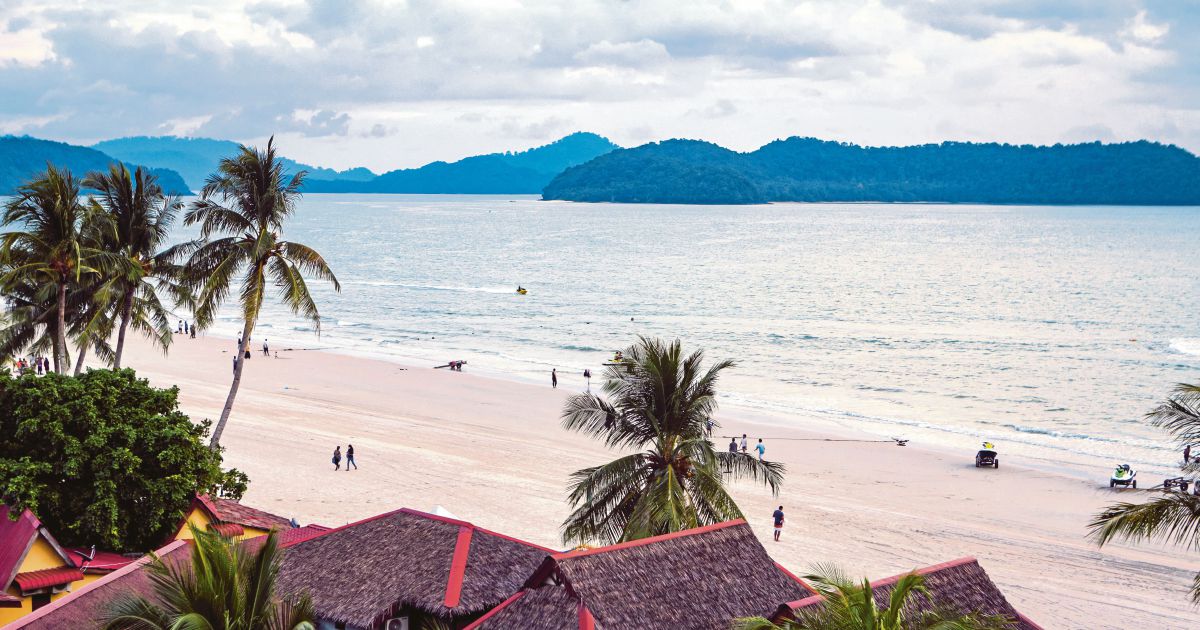
Langkawi's designation as a duty-free island nearly four decades ago promised to transform the Kedah archipelago into a major Southeast Asian economic hub, yet the island has managed to realise only approximately half of what that status could deliver, according to former prime minister Tun Dr Mahathir Mohamad. His assessment highlights a growing concern among Malaysian policymakers that the island's development trajectory has stalled, leaving it vulnerable to competition from neighbouring tourist destinations that have capitalised more effectively on their regional advantages.
The duty-free zone concept, introduced during Dr Mahathir's first tenure as prime minister, was intended to position Langkawi as a shopping and tourism destination comparable to duty-free ports across the region. The framework was ambitious—allowing duty exemptions on goods to lure international visitors and stimulate commercial activity. Yet despite these structural advantages, the island's performance has not matched the expectations outlined in original development projections. This gap between potential and realisation suggests systemic challenges extending beyond mere market conditions.
Competition from regional tourism hotspots represents a pressing concern. Thailand's development of Phuket and Pattaya, Singapore's continued expansion of retail and hospitality services, and Indonesia's strengthening of Bali as a premier destination have collectively drawn significant tourist flows away from Malaysia's northwestern coast. These destinations have invested heavily in infrastructure, branding, and service quality improvements that have allowed them to capture growing Asian tourist demographics. Langkawi, by contrast, has seen its relative market share decline as visitor expectations and travel patterns have evolved.
The infrastructure limitations on the island may account for some underperformance. While Langkawi's airport and port facilities have been upgraded periodically, they lag behind competing regional hubs in capacity and sophistication. Direct international flight connections remain limited compared to Phuket or Bangkok, constraining visitor arrivals from key source markets. Additionally, the quality of accommodation, dining, and entertainment offerings has not kept pace with standards established at rival destinations, affecting both tourist satisfaction and repeat visitation rates.
Marketing and brand positioning constitute another dimension of Langkawi's challenges. The island has not developed a compelling, cohesive international brand identity comparable to its competitors. While it maintains recognition as a tourist destination, it has failed to create distinctive positioning that would distinguish it from alternatives in the minds of potential visitors. This branding gap directly translates to lower tourist arrivals and reduced spending per visitor, dampening the economic multiplier effects that duty-free status was designed to generate.
The duty-free status itself may have become less consequential in today's retail environment. With e-commerce reshaping global shopping patterns and global brands increasingly available online at competitive prices, the traditional advantage of physical duty-free retail has diminished. Younger tourists and business travellers now prioritise experiences and convenience over duty-free shopping bargains, a shift that undermines one of Langkawi's original competitive foundations. The island has not sufficiently adapted its value proposition to reflect changing consumer preferences.
For Malaysia, Langkawi's underperformance carries broader implications for regional economic development and foreign exchange generation. The island was envisioned as a secondary engine driving tourism revenue and employment, particularly for Kedah state. Suboptimal performance represents forgone economic activity and limited trickle-down benefits to local communities. Furthermore, if Langkawi continues losing regional competitiveness, attracting subsequent investment and talent becomes increasingly difficult, potentially creating a downward spiral in development momentum.
Revitalising Langkawi will require comprehensive strategic intervention beyond incremental improvements. This encompasses significant infrastructure investment in transport connectivity, modernisation of hospitality facilities, and development of experiential attractions that reflect contemporary tourism trends. Strategic partnerships with airlines and hospitality operators could enhance service quality and market reach. Equally critical is the need for coordinated branding that positions Langkawi within a distinctive narrative—whether emphasising natural heritage, cultural authenticity, or integrated resort experiences—that resonates with target visitor segments.
The Malaysian government's response will determine whether Langkawi can recover lost ground. Other regions have successfully repositioned mature destinations through focused intervention and strategic vision. Vietnam's Nha Trang and Ha Long Bay have emerged as compelling alternatives through sustained development efforts. Similarly, Langkawi possesses inherent advantages—beautiful natural landscape, established tourism infrastructure, and duty-free status—that, if properly leveraged, could support renewed growth. The window for action, however, narrows as competing destinations consolidate their market positions.
Dr Mahathir's commentary underscores that realising Langkawi's potential is not merely about tourism statistics or visitor arrivals. It reflects the government's ability to implement strategic economic development, manage public assets effectively, and maintain Malaysia's competitiveness within dynamic regional markets. As Southeast Asian tourism intensifies, destinations that combine natural appeal with excellent services, attractive pricing, and distinctive positioning thrive. Langkawi's future trajectory will likely depend on decisive action to address accumulated underinvestment and strategic drift.

