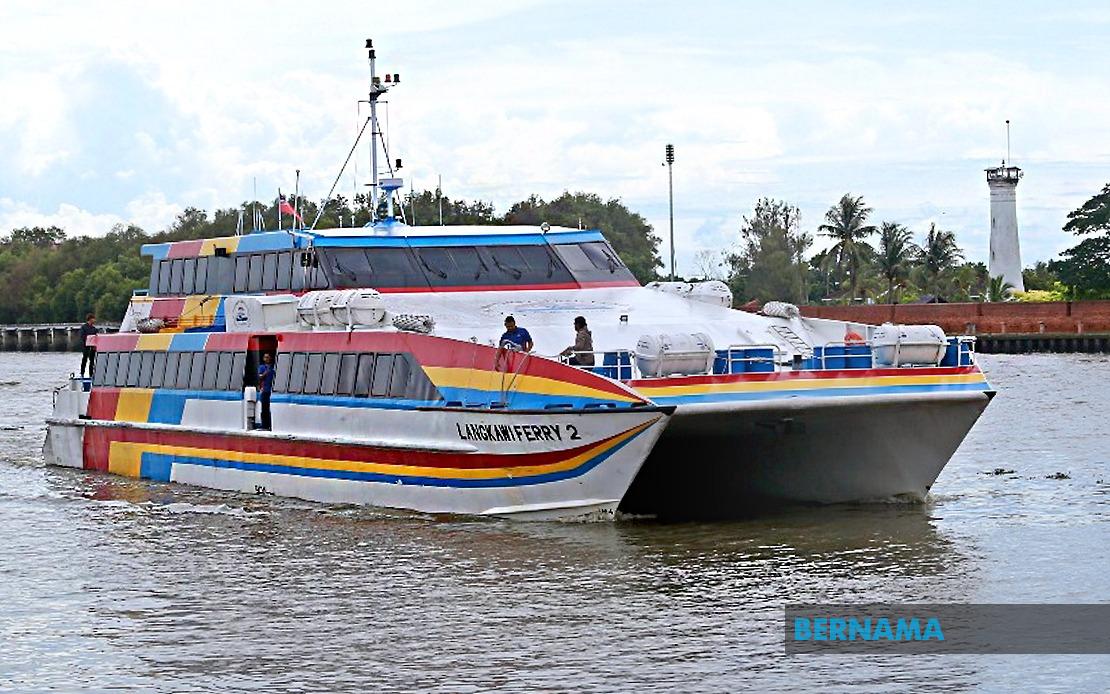
The tourism-critical ferry services connecting Langkawi to mainland Malaysia face mounting pressure from deteriorating maritime conditions, with operators now demanding immediate intervention from federal authorities. Ferry Line Ventures Sdn Bhd, a major regional operator, has publicly raised concerns about progressive silt accumulation in the navigation channels at Kuala Kedah and Kuala Perlis, warning that the situation poses genuine risks to passenger safety and operational reliability.
Lieutenant Commander (Retired) Norhafiz Abdul Wahid, operations manager for Ferry Line Ventures, emphasised that the shallowing waterways create compounding challenges for ferry traffic. Beyond the primary safety hazard, the reduced channel depths force operators to contend with unpredictable schedule disruptions and passenger delays—problems that cascade through the broader tourism ecosystem. His statement reflects growing frustration within the ferry sector over what operators view as insufficient maintenance of these critical maritime corridors.
The stakes for Malaysia's tourism industry are particularly high given Langkawi's status as a premier destination. Ferry services operate as the transportation backbone connecting the island to Kuala Perlis and Kuala Kedah on the mainland, handling enormous passenger volumes during season peaks. According to operational data cited by Ferry Line Ventures, these routes demonstrate capacity to transport as many as 25,000 tourists daily during high-demand periods, underscoring their centrality to visitor accessibility and regional economic activity.
The timing of this appeal carries strategic significance. Operators are acutely aware that inadequate dredging could severely hamper operations during the forthcoming peak holiday season and, more critically, ahead of the Langkawi International Maritime and Aerospace Exhibition scheduled for 2025. LIMA represents a marquee international event that amplifies Malaysia's global profile and draws significant visitor traffic. Channel maintenance failures during such a high-profile period could damage both tourism revenues and Malaysia's reputation as a dependable destination.
Comprehensive and sustained dredging emerges as the practical solution that Ferry Line Ventures is advocating. The operator has made clear that sporadic or incomplete dredging efforts prove insufficient; instead, a systematic maintenance programme must establish regular channel clearance to guarantee consistent safety standards and accommodate expanding passenger demand. This perspective aligns with international maritime standards, which typically mandate periodic dredging to preserve navigable depths and ensure operational predictability.
Immediate capacity requirements underscore the urgency of the operators' position. During the August-September school holiday period and National Day celebrations, Ferry Line Ventures scheduled 176 regular ferry trips supplemented by 66 additional sailings to meet anticipated demand. Projections indicated approximately 90,000 passengers would traverse the two primary routes—Langkawi to Kuala Perlis and Langkawi to Kuala Kedah—during this concentrated travel window. The scale of this movement illustrates why channel degradation poses genuine operational constraints.
Ticket sales figures demonstrate robust passenger demand and the willingness of travellers to plan ahead when services prove reliable. Through late August, Ferry Line Ventures had already sold 86,978 tickets via online platforms, counter sales, and advance reservations—a substantial figure that reflects consumer confidence and suggests that addressing infrastructure bottlenecks could unlock even greater capacity utilisation. The operator actively encourages further advance bookings through the Cuti-Cuti Langkawi application to streamline boarding processes and manage congestion.
The ferry sector's operational readiness during peak periods reflects professional standards and contingency planning, yet such preparations cannot fully compensate for underwater channel obstacles. Operators maintain heightened alert levels and deploy maximum available capacity during holiday surges, but these measures address demand management rather than the fundamental infrastructure challenge of navigable depths. Without adequate dredging, even optimal operational protocols face physical constraints imposed by silted channels.
For Malaysian policymakers, this situation represents a straightforward infrastructure investment proposition with clear returns. Tourism represents a cornerstone economic sector, and Langkawi contributes disproportionately to national tourism revenues. Maintaining unobstructed maritime access to the island directly supports employment across accommodation, food service, retail, and hospitality industries. Conversely, permitting channel degradation imposes hidden economic costs through forgone tourism spending, cancelled bookings, and competitive disadvantage relative to alternative regional destinations.
The regional context amplifies these considerations. Southeast Asia hosts intensifying competition for tourist arrivals, with destinations throughout Thailand, Indonesia, and Vietnam continuously upgrading infrastructure to enhance visitor experiences. Malaysia's ability to deliver predictable, safe, and efficient transportation to major attractions determines its competitive positioning. Ferry service reliability to Langkawi functions as a visible marker of broader infrastructure quality and governmental competence—perceptions that influence booking decisions for prospective international visitors.
Beyond immediate tourism metrics, the dredging issue reflects broader infrastructure maintenance patterns that warrant governmental attention. Maritime channels represent critical economic arteries that require consistent upkeep to preserve functionality and safety. The ferry operators' appeal represents not merely sectoral interest advocacy but a legitimate call for responsible stewardship of national maritime assets that benefit the travelling public, tourism industry, and regional economy.

